Winter makes canyon views more grand





Arizona’s Grand Canyon National Park is one of the most popular destinations in the world. The hub of the park is the South Rim, about a 4½-hour drive from Boulder City. This breathtaking canyon is as wide as 18 miles in some places, and it’s 1 mile deep to where the Colorado River runs 277 miles through it.
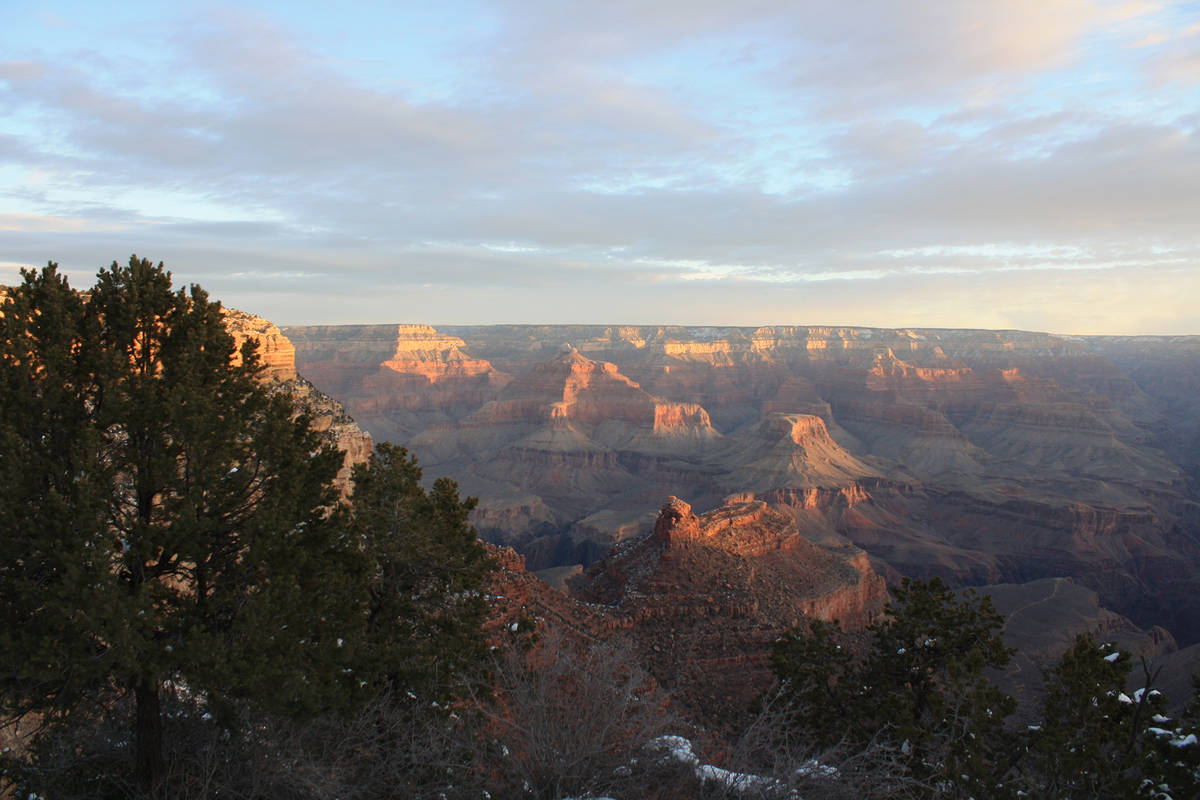
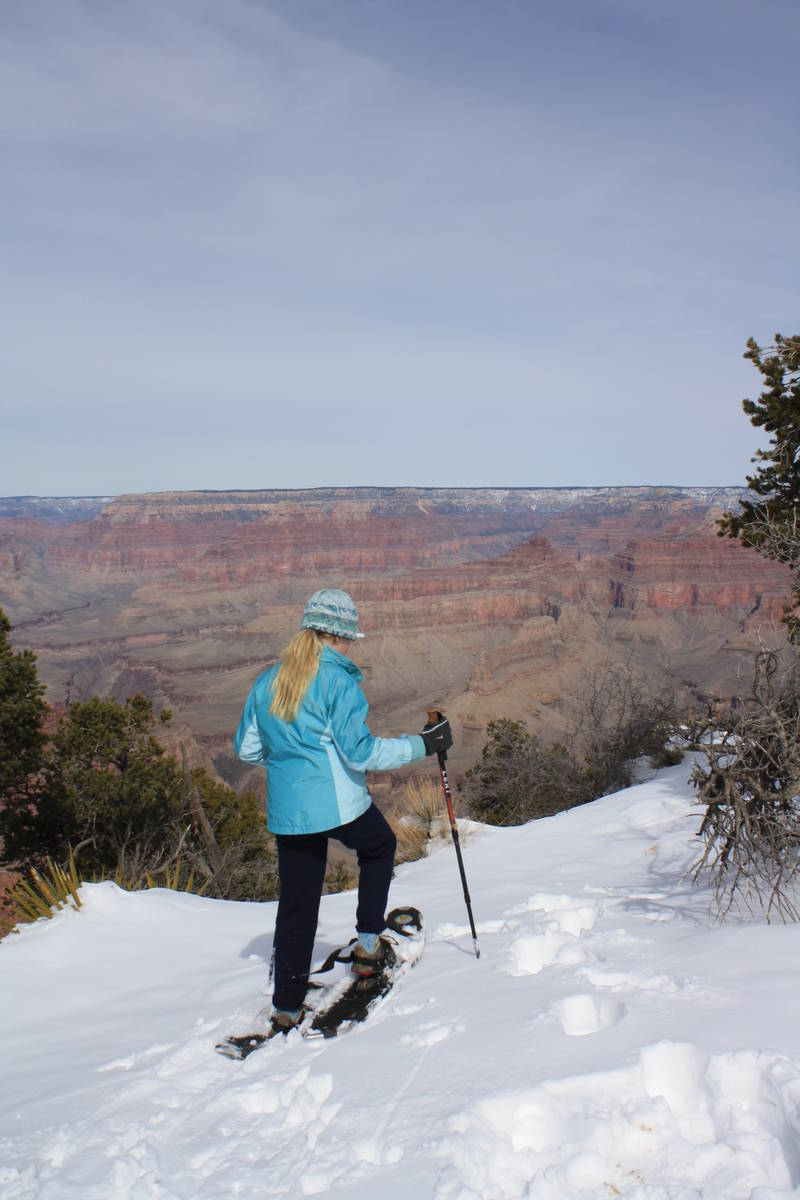
Early winter is the landmark’s quietest, yet perhaps prettiest, time to visit. Most people visit the park in the more crowded warmer months and miss out on seeing the canyon with a dusting (or more) of snow. The South Rim averages 58 inches of snow each winter, but it melts fast on sunny days here at an elevation of around 7,000 feet. Average daily high temperatures in February run around 45 degrees, with lows dipping into the 20s.
Through the end of February you are in luck because you can drive your vehicle along the scenic Hermit’s Rest Road. From March to December, you need to board one of the free shuttle buses to travel this 7.2-mile scenic route. Visitors can bike or hike the Rim Trail that follows the road year-round.
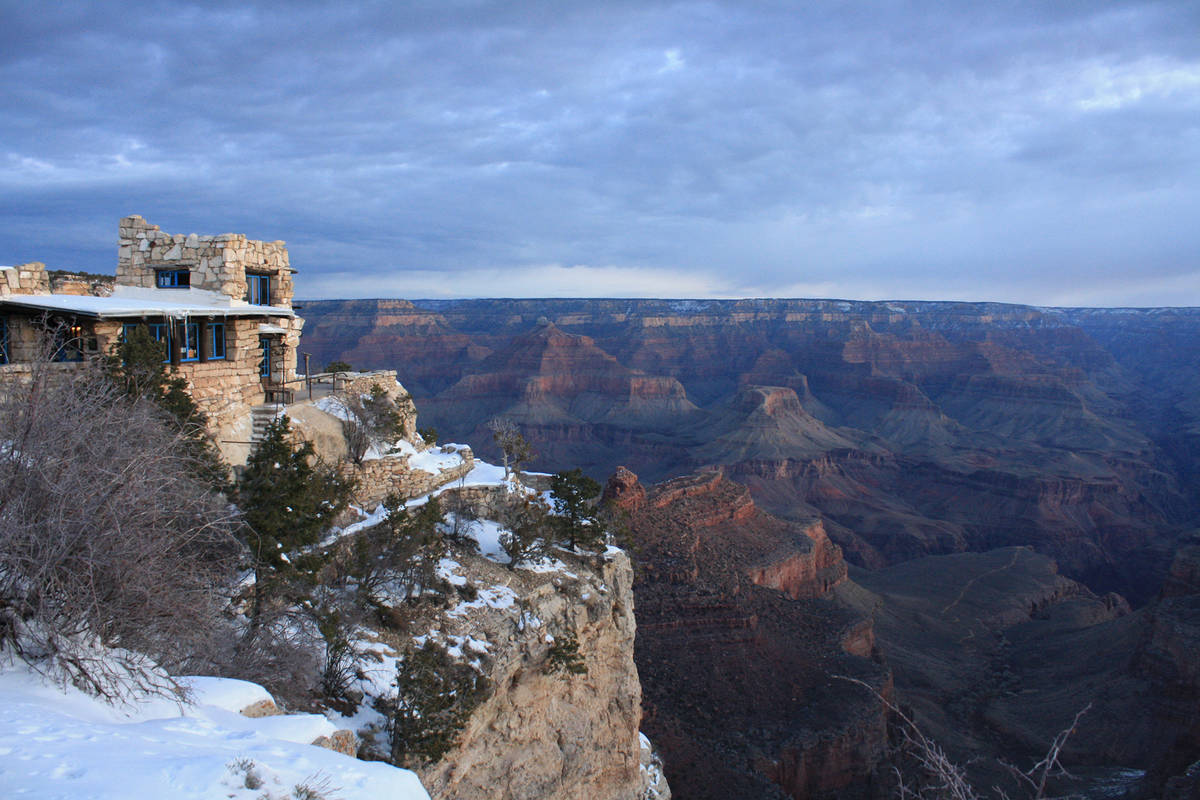
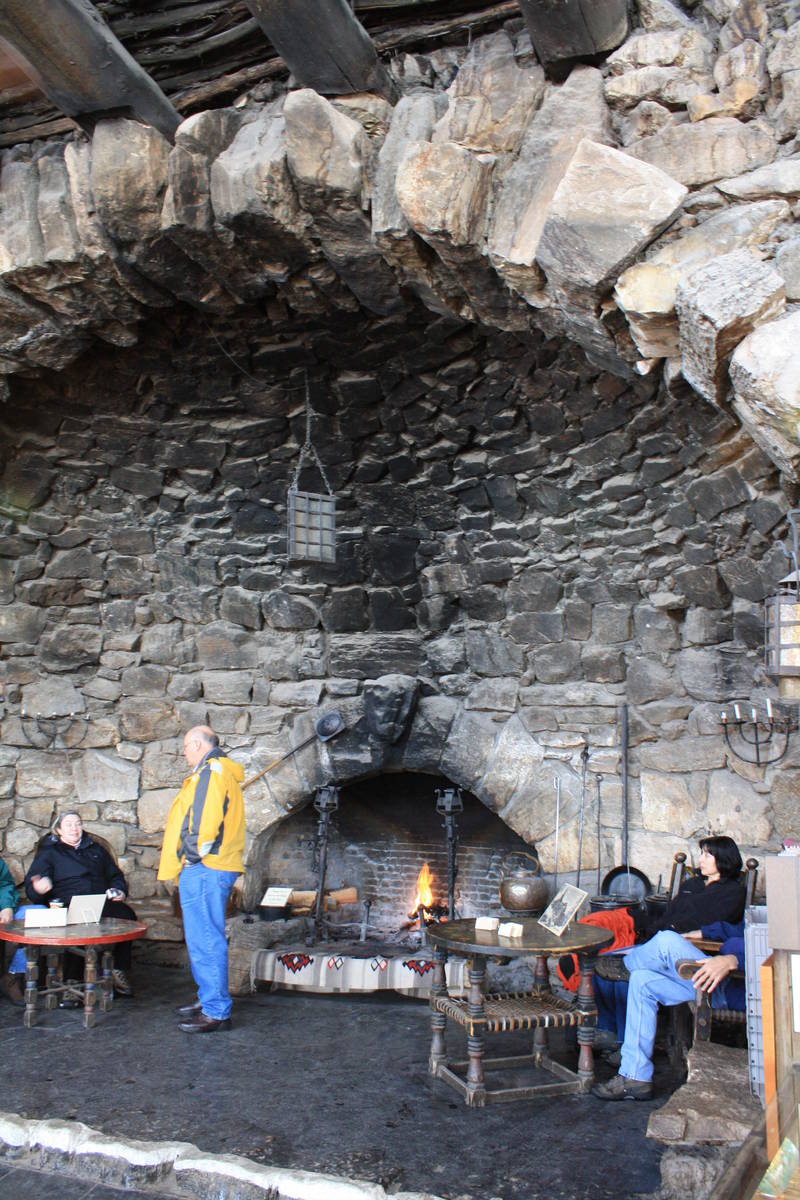
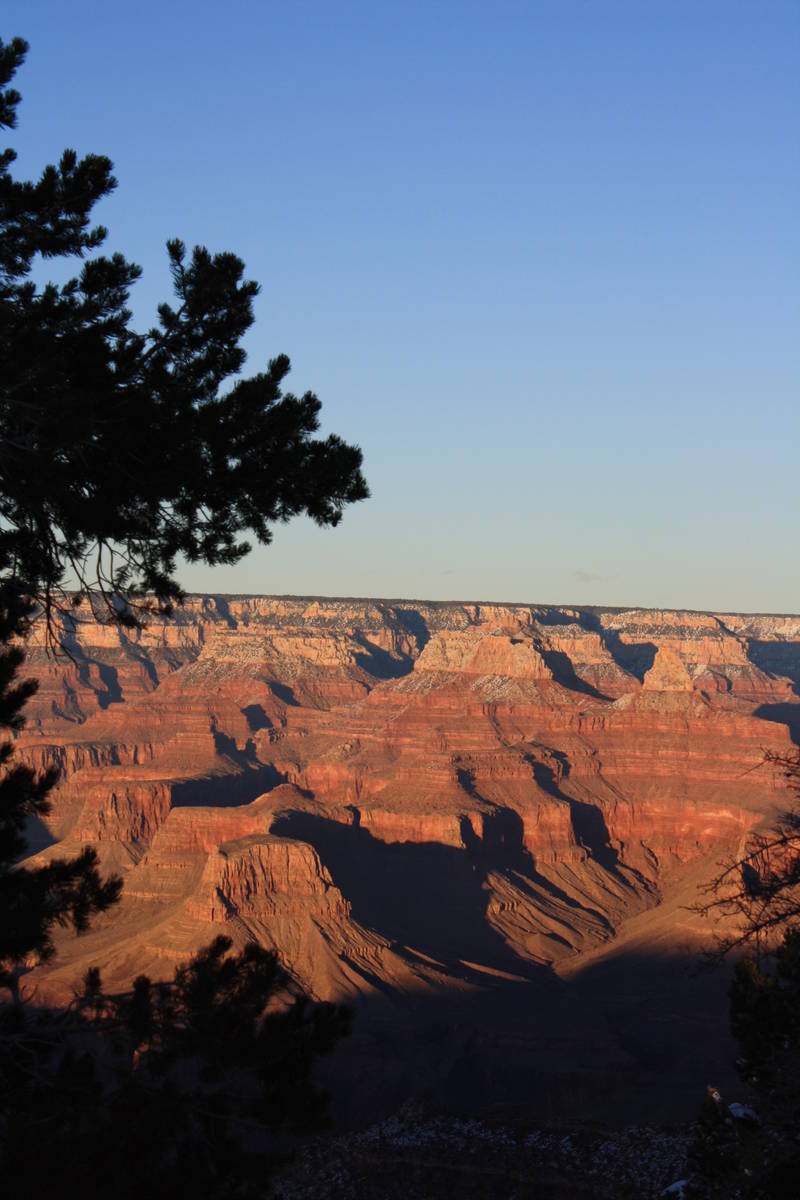
Be advised there could be short-term closures due to icy conditions or snow. Overlooks along the way to Hermit’s Rest offer stunning views of the canyon. The nine designated stops include Hopi Point, the best spot for sunsets. Mohave and Pima points are well worth seeing as well, as they both afford views into the canyon and the Colorado River below. Be sure to go all the way to the end of the road and visit Hermit’s Rest itself, constructed in 1914 and designed by architect Mary Colter to look like an old miner’s cabin. There are a small gift shop and restrooms.
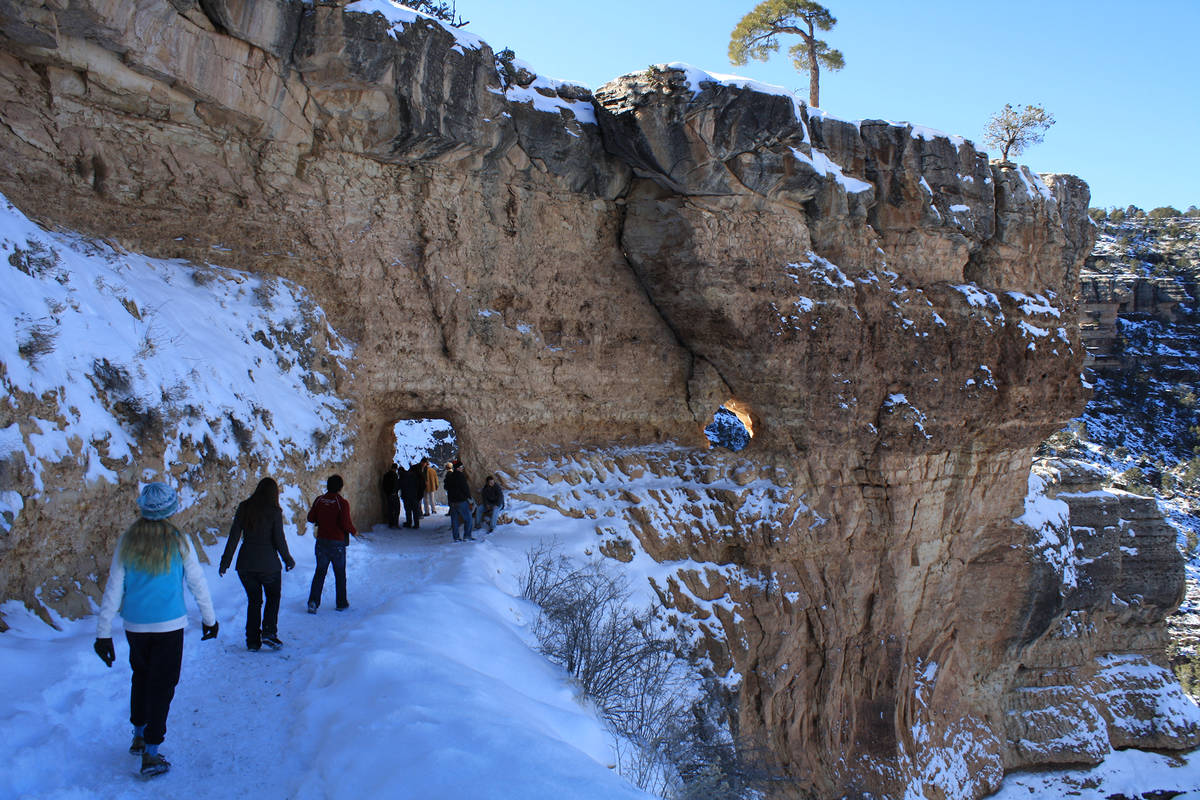
If you’re interested in going into the canyon, even for a short distance below the rim, the Bright Angel Trail is the easiest to access. Its trailhead is next to Kolb Studio behind the historic Bright Angel Lodge. This trail is narrow and has drop-offs so it’s not a good one for small children. You won’t make it to the river and back in one day, but just traveling 1 to 2 miles down makes a nice day outing.
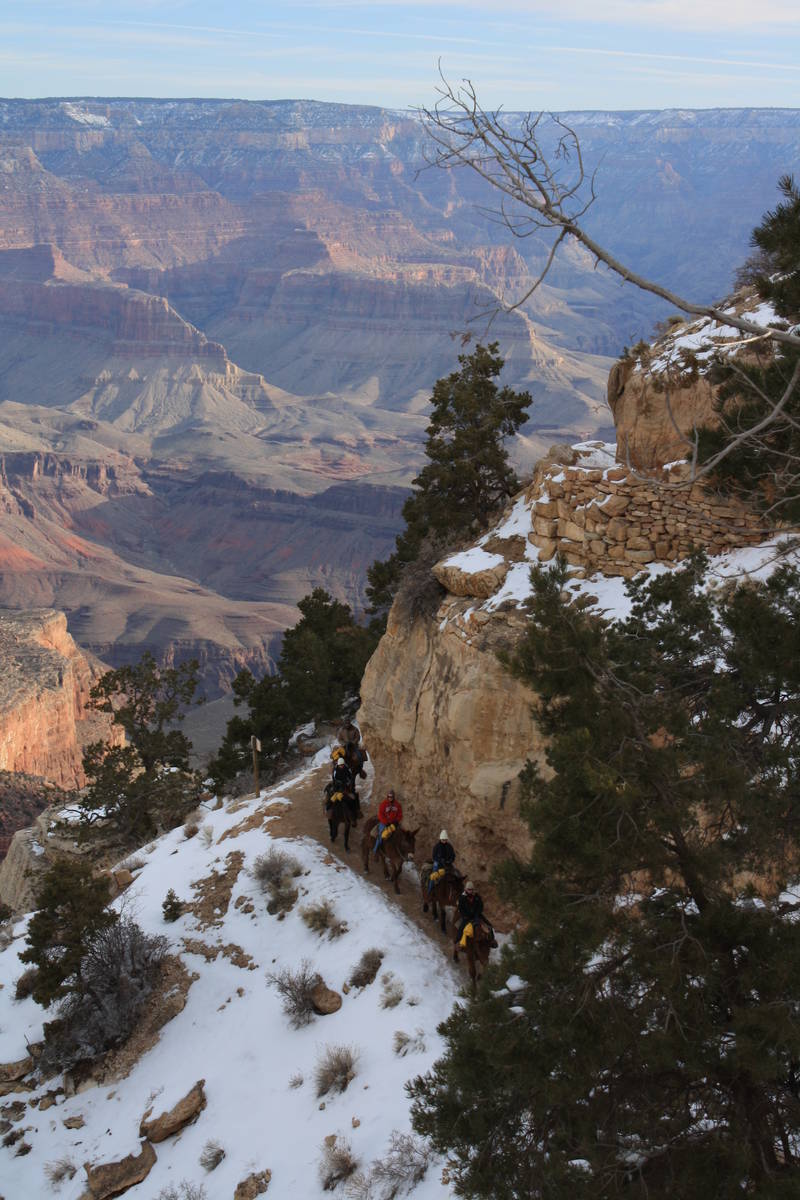
Wrangler-led mule trains also use this trail to access the canyon, so use caution when they approach. Where possible stand on the uphill side of the trail and wait quietly until the last mule has passed by at least 50 feet. (To schedule an overnight mule trip to Phantom Ranch or the two-hour, 4-mile Canyon Vistas Rim Ride, go to Xanterra.com or call 888-297-2757.) You don’t descend into the canyon on the rim ride, but it’s a good trip that stops at least six times along the way. Wranglers provide information about geology, human history and more. There are restrictions concerning age, height and weight, and the trips book up far in advance, but cancellations commonly create late openings.
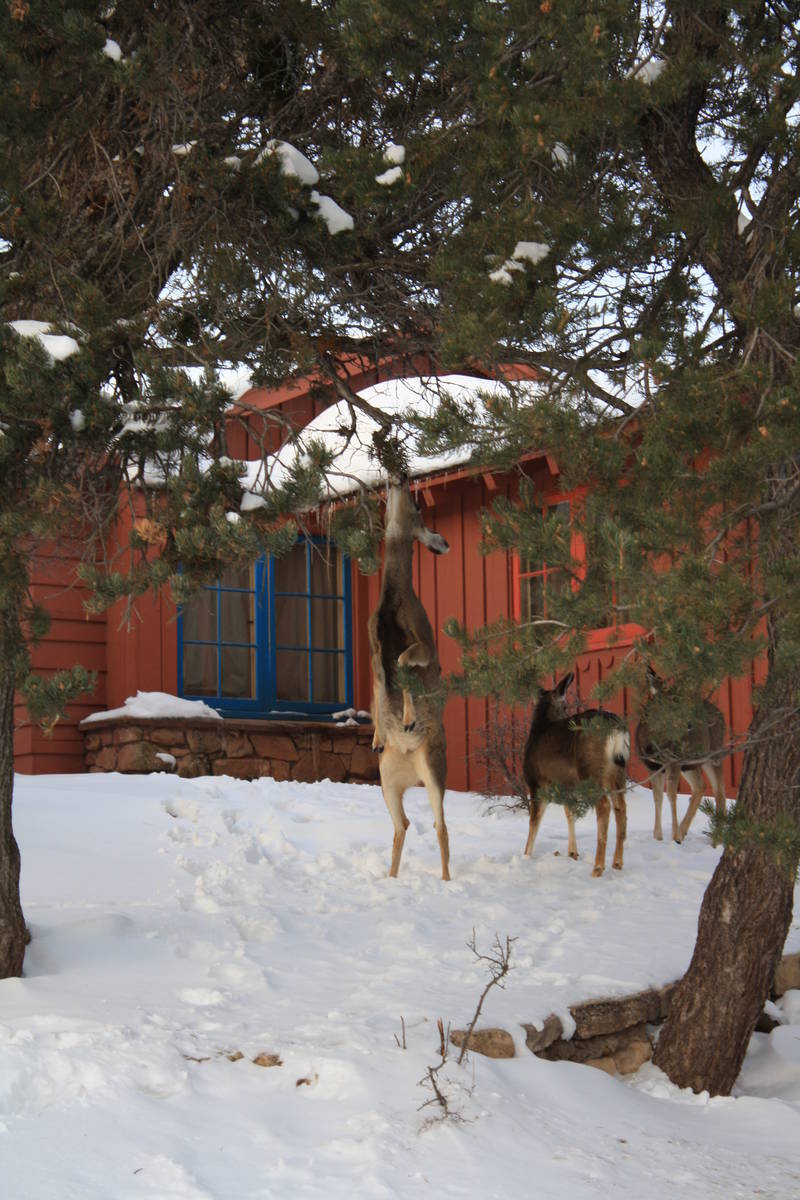
Keep your eyes peeled for mule deer and elk, now in their thick winter coats, or bald eagles or maybe even one of the rarest birds in the world: the California condor. Bring binoculars.
For winter hiking, carry water and food, dress in layers of warm clothing (no cotton) from tip to toe, use hiking poles and be sure to have a pair of STABILicers or Yaktrax or other boot/shoe traction devices to attach to your boots if there is ice or snow on the trails. They are available at sporting goods stores, Amazon or in the park at the Grand Canyon Marketplace.
Since you are headed to the high country, be sure your car is equipped for winter conditions. This includes good tires for slick roads, a shovel, windshield scraper and plenty of windshield wiper fluid, a tow chain or rope, and booster cables.
A lockdown on the bordering Navajo Nation means the east entrance to the park and most Desert View facilities are temporarily closed. You can drive 25 miles out there, though, to see viewpoints from Grand Canyon Village to Desert View.
Many of Deborah Wall’s columns have been compiled into books about hiking in the Southwest. She is also the author of “Great Hikes, a Cerca Country Guide” and a co-author of the book “Access For All, Seeing the Southwest With Limited Mobility.” Wall can be reached at Deborabus@aol.com.
If you go
■ What: Grand Canyon National Park
■ Information: www.nps.gov/grca
■ Plan ahead: Many areas of the park have no internet connection. Visitors should have the official Grand Canyon app and download maps and content before leaving home. Be sure to follow all park rules, including wearing face coverings in public spaces and physical distancing.