Extreme heat wreaks havoc on homes, cars, people, pets
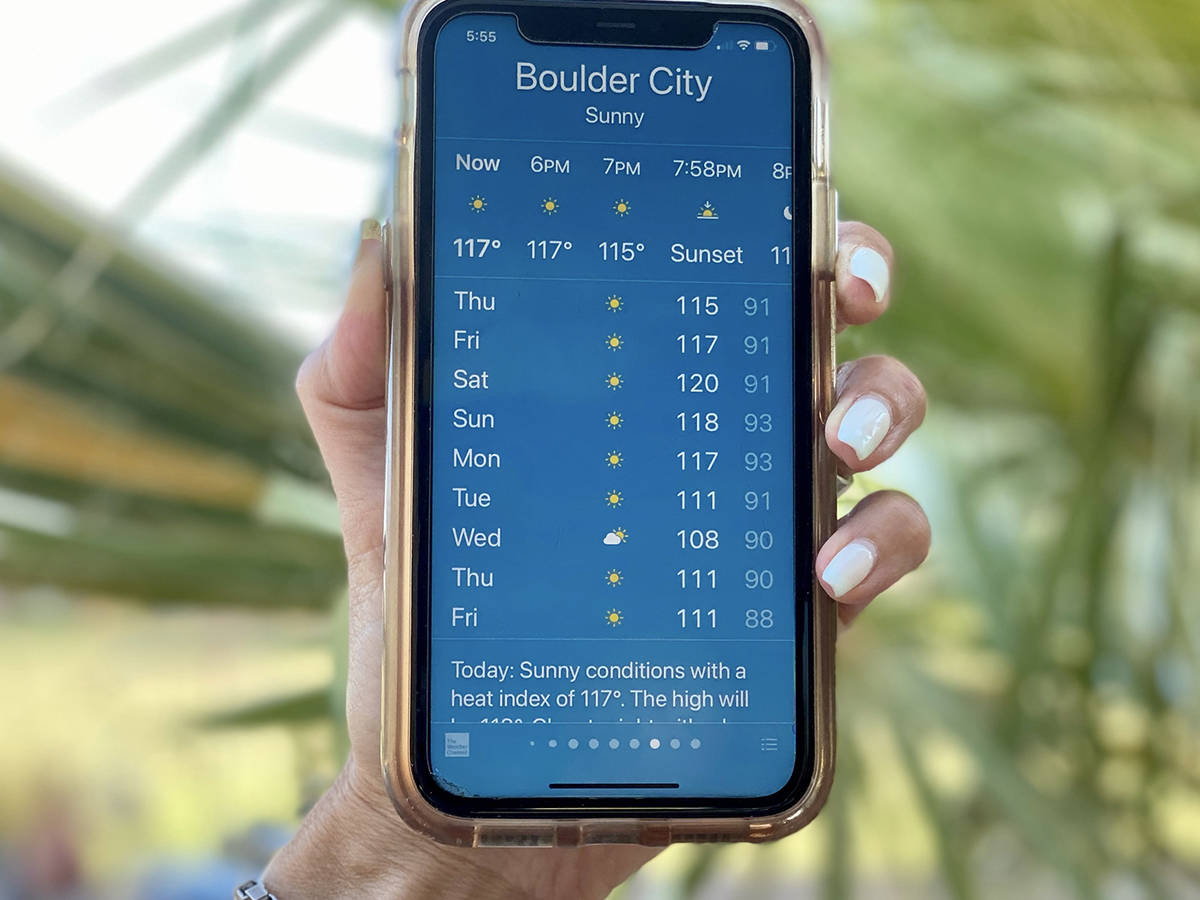





When the weather forecast shows a heat reprieve of triple digits under 110, we know this heat wave is more like a heat “tsunami.” These extreme temperatures call for extreme measures of readiness in order to safeguard our homes, cars, pets and loved ones, especially those who are most vulnerable.
Older adults have more difficulty adjusting to high temperatures. Chronic medical conditions and medications can affect the elderly’s normal body responses to heat and induce heat illnesses. It’s crucial that seniors take extra measures to stay cool and hydrated. We should all be drinking more water than usual, but especially the elderly. (Note that if a doctor limits your fluid intake or you’re on water pills, ask them how much you should drink in hot weather.)
During a heat wave, power outage or any natural disaster, seniors living alone should be checked in on regularly. Happily, the You Are Not Alone program is a free service available to Boulder City senior residents.
The Boulder City Police Department’s program is conducted in partnership with the Boulder City senior center that allows older adults to have comfort and security in the knowledge that someone is checking in on them on a regular basis. Police department volunteers make regular contact with YANA participants by phone and with home visits.
Friends or family can make YANA referrals for someone in Boulder City who would benefit from this program. Registration forms can be found on BCNV.org. For more information contact the Police Support Aide Patrick Richardson at 702-589-9603 or email him, prichardson@bcnv.org.
Pets are at high risk during heat waves. Provide them with shade and plenty of water. Keep their coats clipped short, but not shaved for risk of sunburn.
Foot pads burn easily so steer clear of high-heat surfaces like asphalt. Watch for pets being overcome by heat (excessive panting, heavily salivating, disorientation and/or immobility). If so, immerse them slowly in cool (never ice cold) water to lower body temperature, then get them to a vet. Never leave pets in a car.
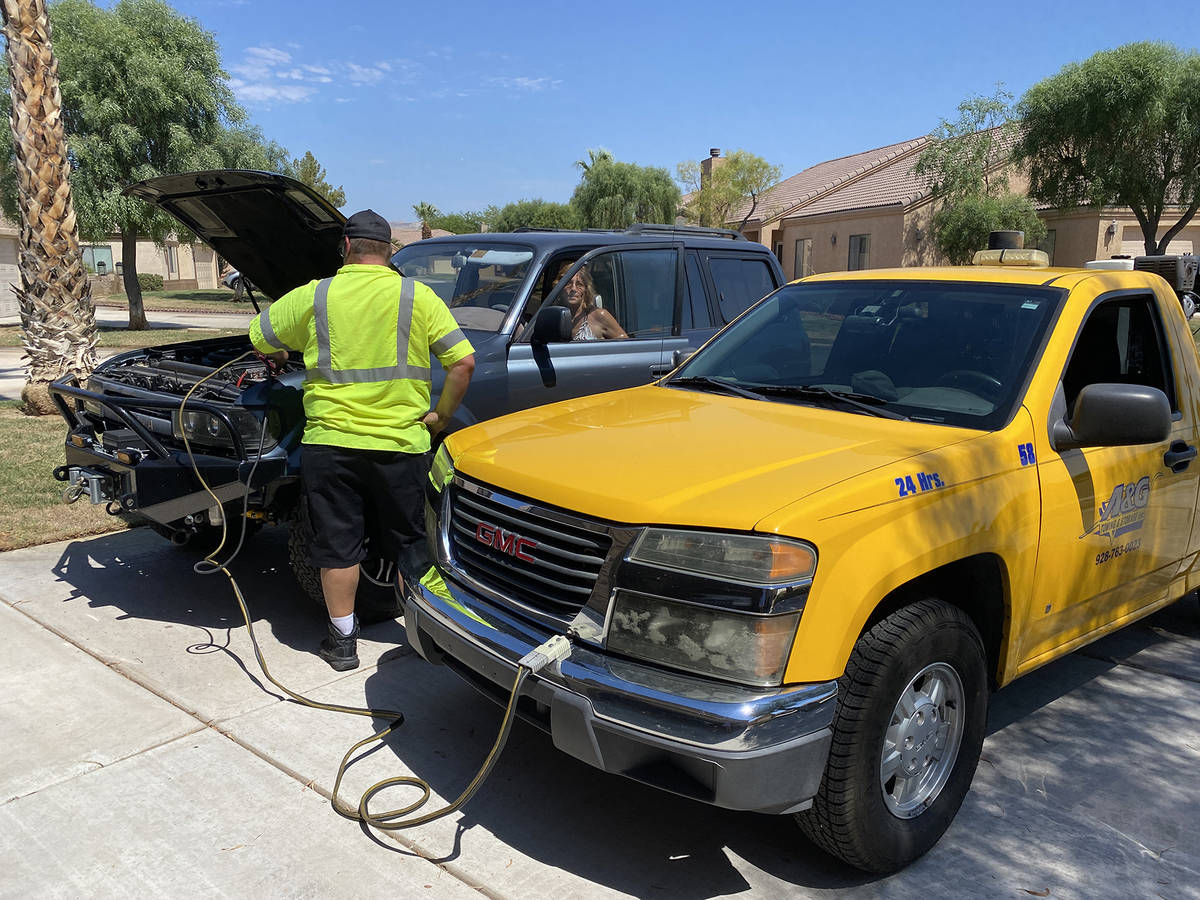
Cars take a beating in extreme heat, especially batteries.
According to sunautoservice.com, battery tests have indicated that for every 15 degrees Fahrenheit the ambient temperature rises, the life of a typical car battery is cut roughly in half. A battery that might last 10 years at 77 degrees might only last for five years at 92 degrees — and if the temperature is increased to 106, then that lifespan drops to two and a half years.”
To reduce car battery drain, park in the shade, minimize what you “plug in,” avoid short trips with many starts and stops (doesn’t allow the alternator to recharge the battery), and shut off the air conditioning and any lights when you exit the car. It’s strongly advisable to have a roadside assistance plan with the high incidence of car issues precipitated by extreme heat.
At home, there are steps we can take to help ourselves stay cool while minimizing stress on our air conditioners and appliances. Avoid using the stove or oven; it will make your house hotter. Draw curtains and blinds. Run appliances early morning or late at night. Run fans and ceiling fans (counterclockwise) to increase the air conditioner’s cooling affect on our skin. Wear loose, lightweight and light-colored clothing. Take quick cool showers to cool down and lessen the urge to lower the thermostat. Use LED light bulbs that use the least amount of wattage for a desired illumination level with the least amount of heat.
Above all, stay hydrated. Remember that we should never wait until we’re thirsty to drink, which is a sign that our body is already in dehydration. While an ice-cold beer or tea may sound refreshing, avoid alcohol and high-caffeine drinks since they are diuretics, which means they promote water loss through urine.
If you have, or someone you know has, symptoms of heat-related illness like muscle cramps, headaches, nausea or vomiting, seek medical assistance immediately.
Norma Vally is a seasoned veteran of home improvement; her career includes four seasons as host of Discovery Home Channel’s Emmy-nominated series “Toolbelt Diva.” A columnist and author, Vally splits her time in Southern Nevada, Los Angeles and New York City. Follow her on Facebook at Norma Vally “Toolbelt Diva” and visit her at www.NormaVally.com. Email Norma@NormaVally.com.