Some information bears repeating — often

So often we say or write something and the intended audience takes it in a completely different way from what you planned or ignores it totally. What do you do?
Everyone talks and writes from their own perspective. That’s a given, but what if you want to reach hundreds, thousands, millions of people? Is there a formula? Are there just the right words to say or write that will grab everyone’s attention?
I think about what to say and write all the time, or as I like to say, “How do I make friends and influence people?” Is there a formula? Are there special words? Is there one way to attract everyone?
I don’t think there’s a formula, but I know I have more friends than enemies. I wouldn’t trust everyone in my friend category to do important work for me, but I’d invite everyone to a meal. I trust a small group of friends with important tasks. While I have 4,966 friends on Facebook and 2,263 followers on Twitter, and would invite them to my house for dinner, those folks, for the most part, are in a very different friend category.
The friends or followers I have on these social media platforms are folks with whom I share information. My goal there, as with my commentaries, is to share information and educate in some way. Sure, it’s about “making friends and influencing people,” but it’s more than that. The influencing or educating is the important part.
Whether people become a friend is secondary. Actually, it’s quite all right if folks don’t think of me as a friend in the strict sense of the word, although that would be wonderful since friendship implies trust. Yet, the goal is to say or write in such a way as to get everyone to accept the knowledge, open up to perhaps a different way of viewing a subject.
How do you say just the right words to persuade individuals that what you are sharing is beneficial to everyone? Based on writing for the Boulder City News beginning in 1998, working for the city of Boulder City, continuing to write for the Boulder City Review, and having thousands of social media “friends,” I don’t think there is one way or a perfect way to reach everyone.
The late Bill Ferrence once told me since I was public information officer of Boulder City, I should go to every home in Boulder City to get information to them. Is that the solution?
What I believe is knowledge takes repeating and repeating often using various words. There’s no one perfect way. Since I’m fairly certain most people believe money makes the world go ’round, I write and share information about how the economy works. If that’s the case, it makes sense to me folks would want to know how the system actually works and why it might not be working for them and millions of others.
I believe poverty is a political choice made not by those who bear the suffering but by those who allow it to happen. Yes, it’s been said the poor will always be with us, but what if those who are “in charge” know solutions exist but do everything in their power to keep millions suffering so they maintain their power and wealth?
I can merely point folks in the direction of evidence with the intention and hope that evidence will be read, absorbed and acted upon. I feel I can never do this pointing, sharing, preaching enough because there are millions who need influencing.
I can only urge you to watch episode one of “The Con,” a five-part docuseries that took a simple yet revolutionary approach to explaining the fraud and corruption that drove not only the financial crisis of 2007-2008 but continues today.
Our economic system cannot and will not work for the people unless and until we look at and understand the evidence before us in “The Con” and a companion series titled “The New Untouchables: The Pecora Files” and purge the existing corruption.
As they say, the ball is in your court. The information is before you for the taking.
The opinions expressed above belong solely to the author and do not represent the views of the Boulder City Review. They have been edited solely for grammar, spelling and style, and have not been checked for accuracy of the viewpoints.
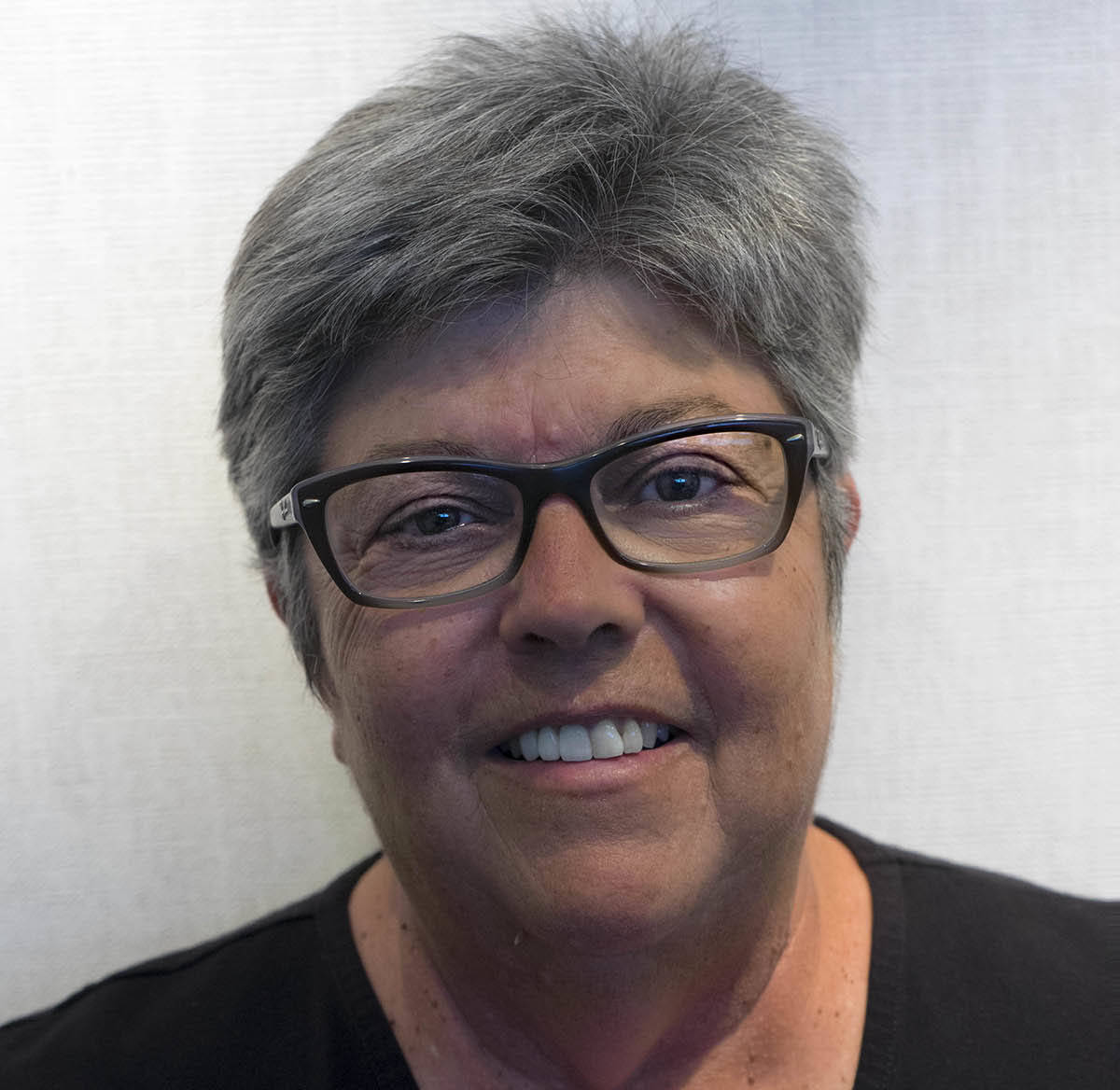
Rose Ann Miele is a journalist and was public information officer for Boulder City for nine years. She is the national outreach director for Real Progressives. She can be reached at roseannrab@hotmail.com or at 702-339-9082.