Hoover Dam is headed for trouble under new emergency Colorado River plan
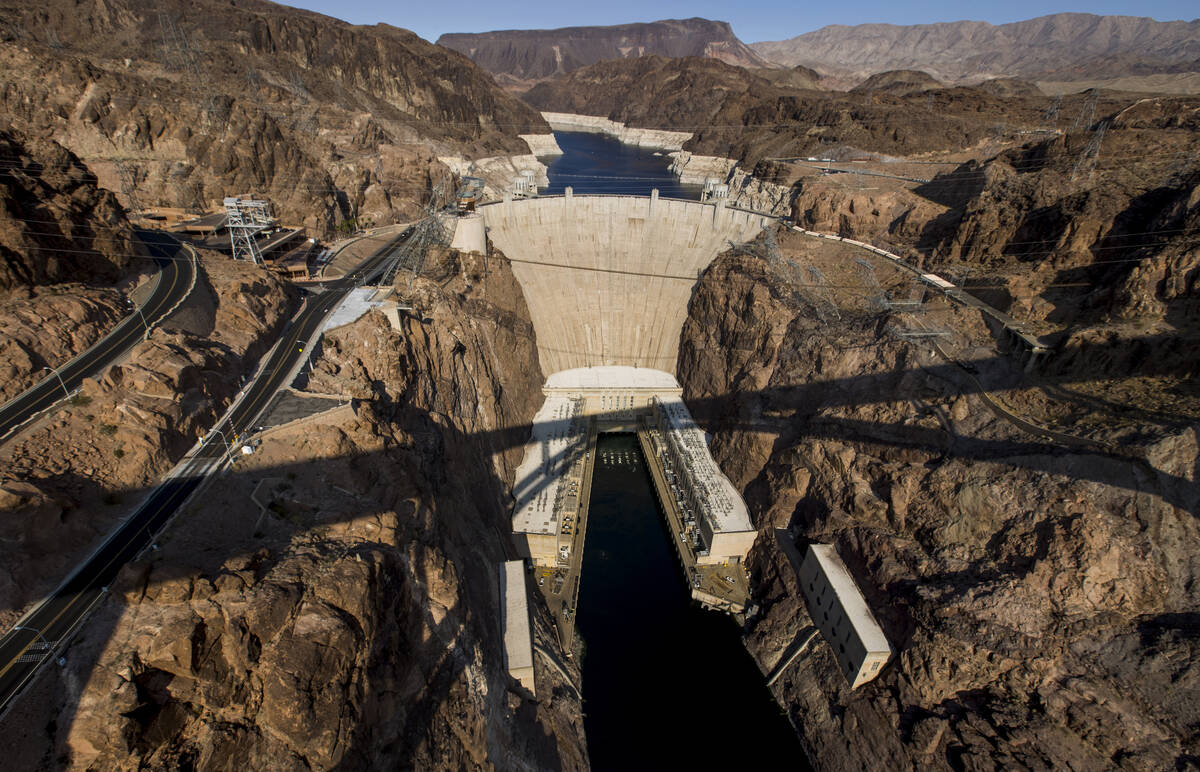
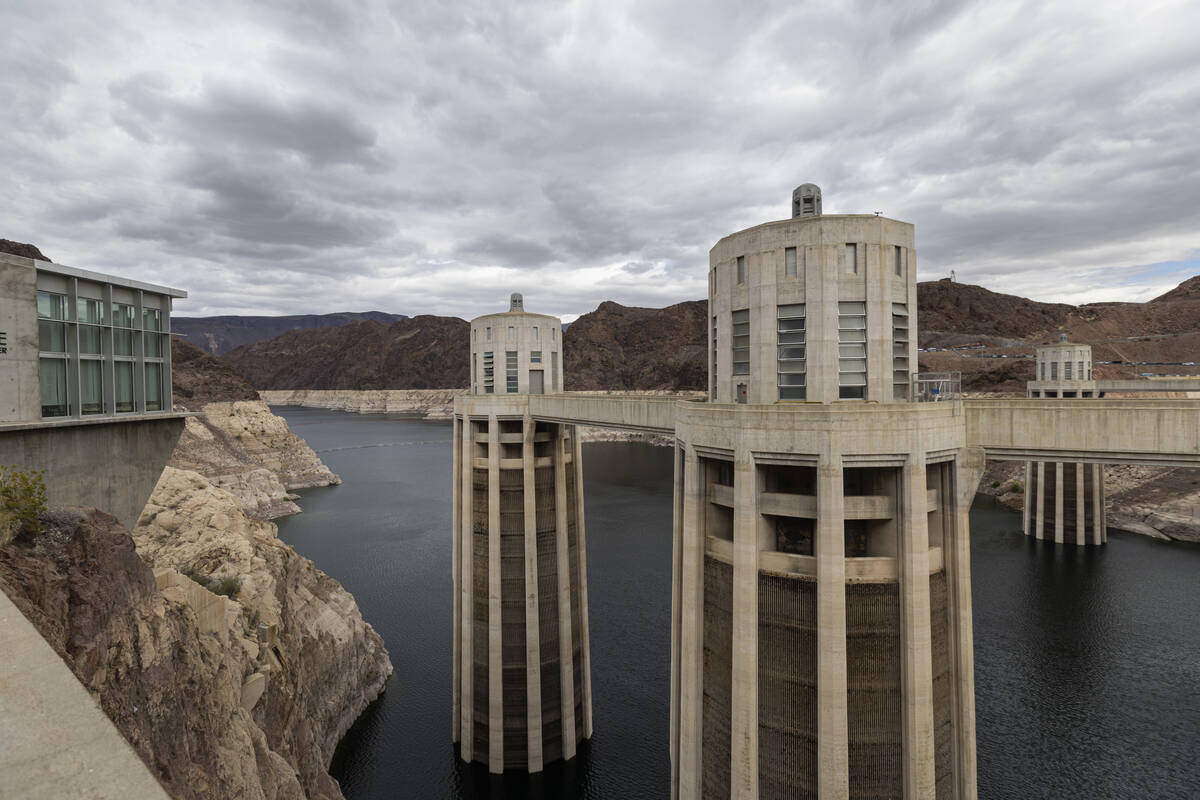
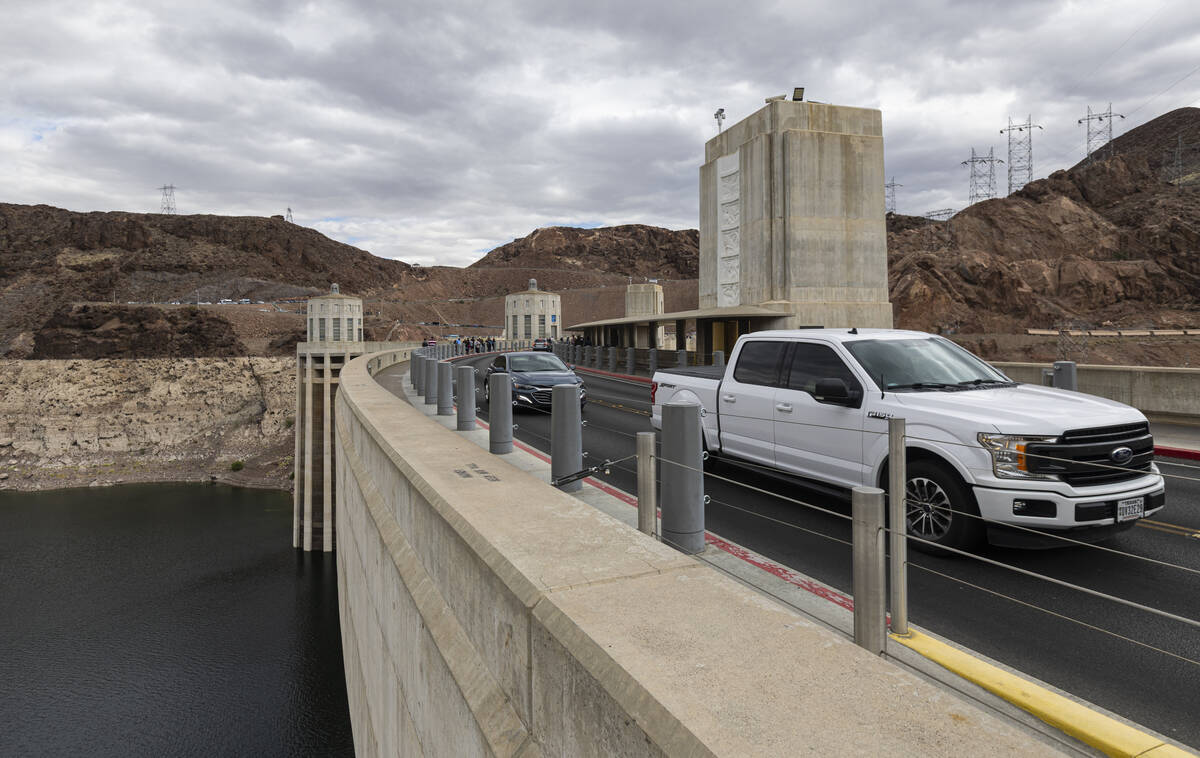
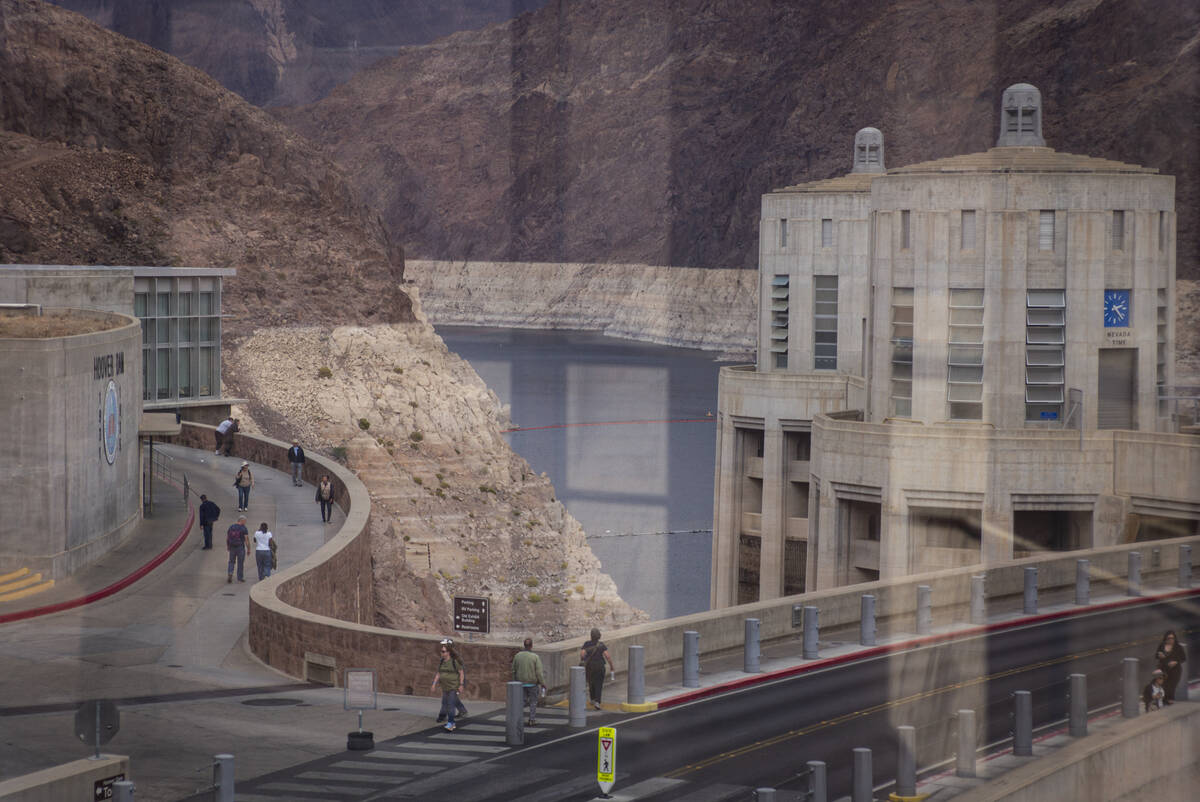
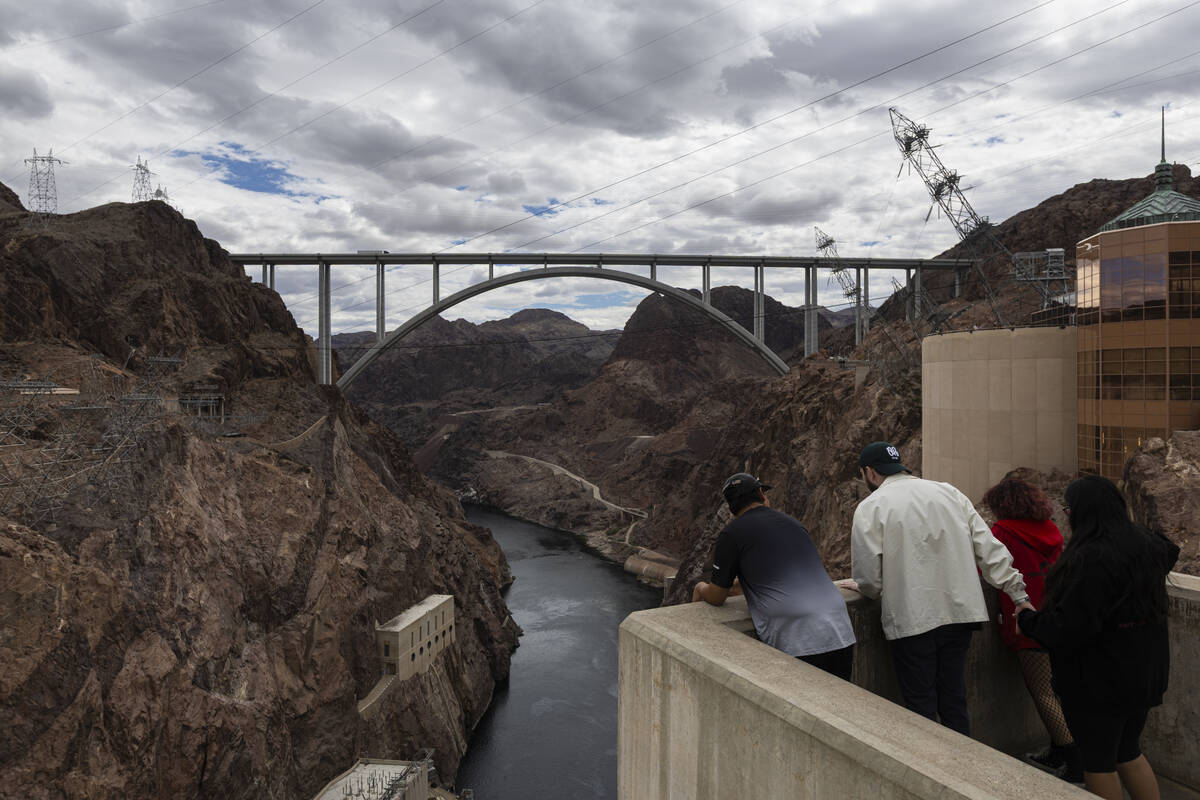
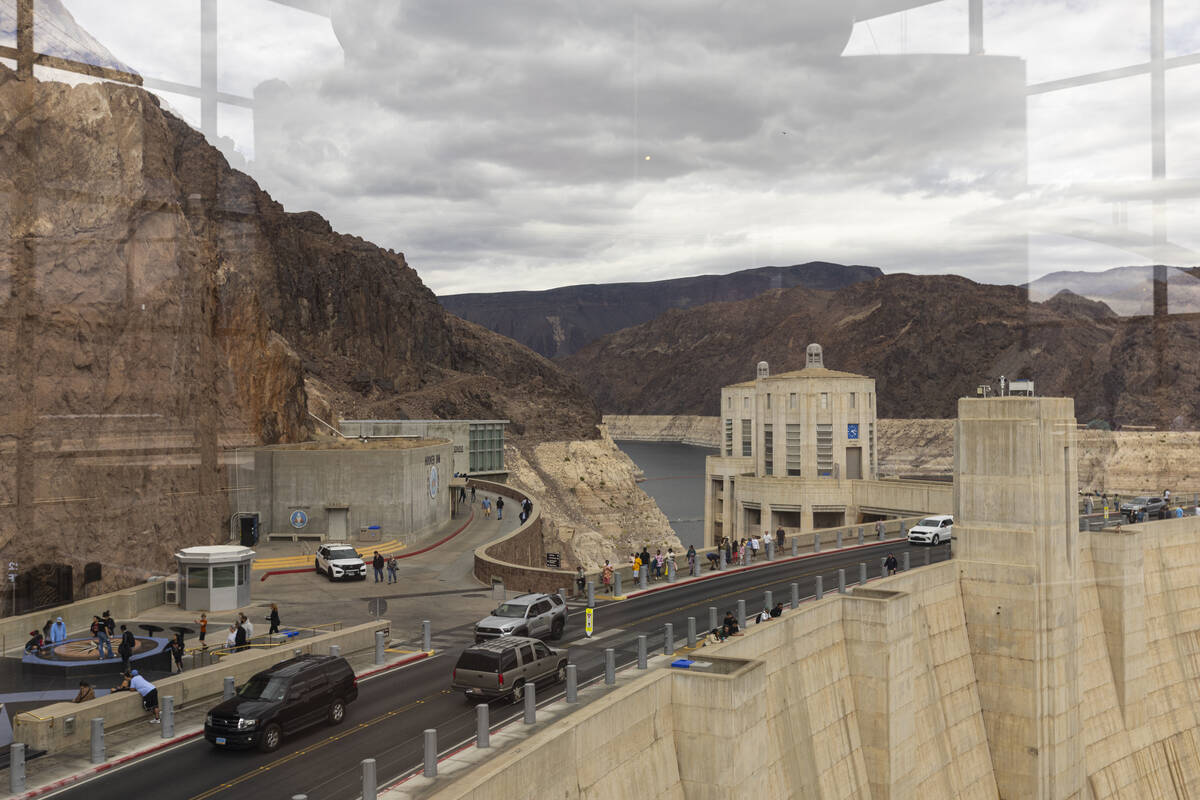





Federal water managers are putting the nation’s largest dam in a precarious position as they try to balance out the Colorado River system in a year of record low snowpack.
Toward the bottom of the Bureau of Reclamation’s marquee announcement last week was a paragraph that said lower flows out of Lake Powell could reduce Hoover Dam’s hydroelectric power generation by about 40 percent as soon as this fall. According to projections, Lake Mead could fall nearly 30 feet in the next two years, more than 8 feet past the 2022 record low.
The announcement underscores a problem that rural, urban and tribal utilities across Nevada, California and Arizona have been grappling with — aging turbines cannot accommodate low reservoir levels, and a lack of accessible funding means officials may have to look elsewhere to meet their power needs.
“If we go out to the market and purchase these other resources, it’s at a higher price,” said Dane Bradfield, general manager of the Lincoln County Power District No. 1, which serves a rural Southern Nevada county northeast of Las Vegas with about 2,000 largely agricultural users. “Unfortunately, those prices are passed on to our customers.”
The district once could rely on the dam to meet all its power needs; today, it can meet about 70 percent of demand.
The cost of maintenance and dam operations could also boost hydropower rates unless officials alter existing agreements. As energy delivery lessens, those charges remain fixed, driving up prices.
For now, it’s unclear how steep the declines may be; more modeling is expected in May.
^
A slow-moving problem gets worse fast
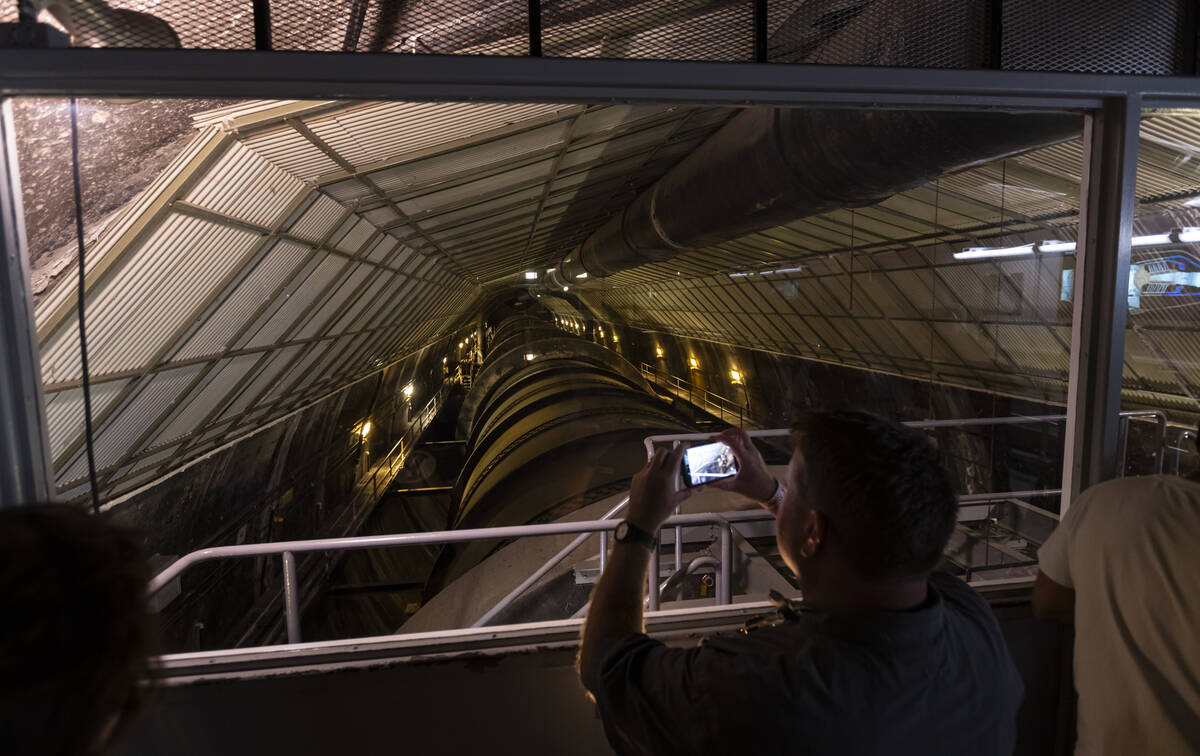
For years, Hoover Dam has had a turbine issue that has worsened amid historic drought.
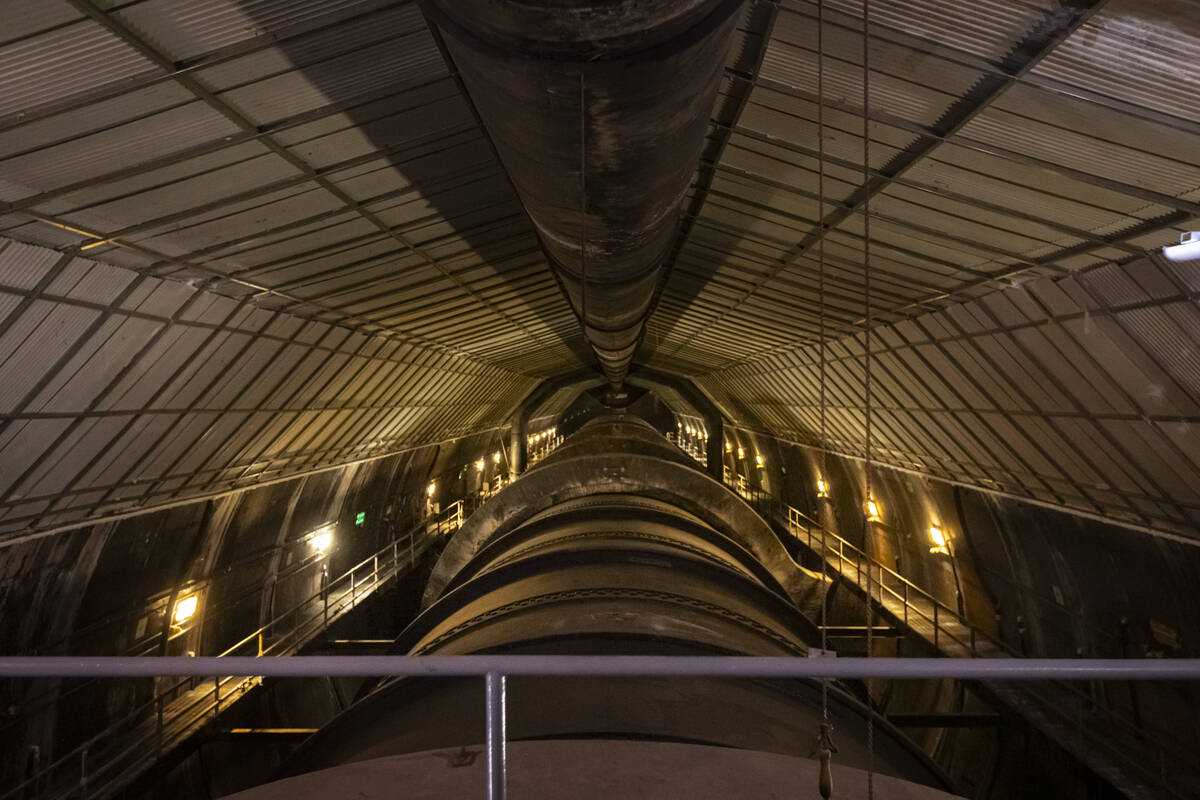
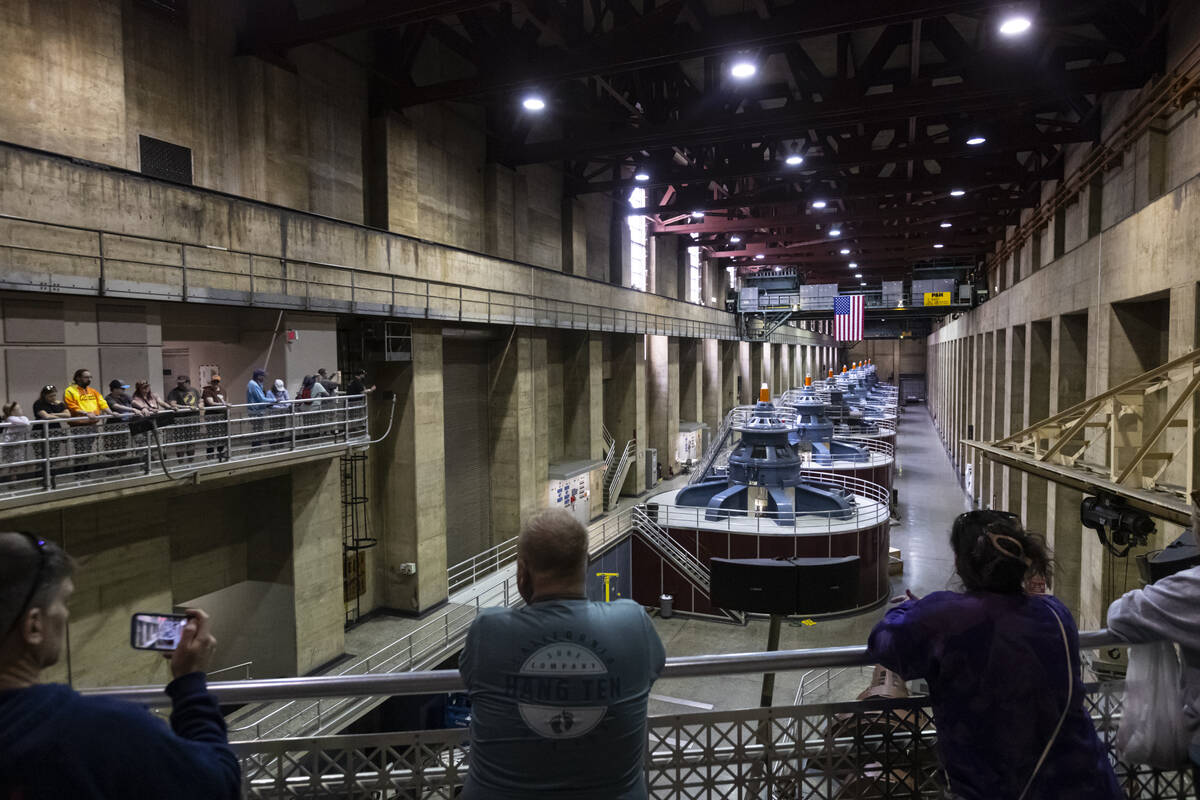
When the water level reaches 1,035 feet above sea level, only five of the dam’s 17 turbines can generate power, according to Eric Witkoski, executive director of the Colorado River Commission of Nevada. One of those five is out of commission for repairs, he said.
Older turbines cannot run without the risk of what’s known as cavitation, when vapor bubbles generated by pressure changes collapse and damage the mechanism. That’s where $52 million in federal funds comes in — at some point.
Congress authorized the release of that money this year after it was suspended in a federal account. It was supposed to cover dam employee retirement benefits, but alternative funding did instead. Witkoski said the funds are still being held up, however.
“We’ve heard positive signs, but it’s a little hard to plan until we actually know those funds are there,” Witkoski said.
It could take years for any of these projects to get underway, he said.
The first project, which will add two new turbines and still must go through procurement, testing and design phases, cannot be completed until October 2028 at the earliest.
Repairing the broken turbine has a target date of September 2029, and the addition of two more turbines could take until 2031, depending on available funding. Witkoski said money is a limiting factor, and cost estimates keep increasing by the millions.
“These things are specially built,” he said. “You can’t just go to GE and tell them you need a turbine.”
Shane Chapman, assistant general manager of operations at the Metropolitan Water District of Southern California, said he hopes the short-term pain is worth building long-term sustainability at the dam.
The utility is one of Hoover Dam’s largest customers, using hydropower to power roughly half the needs of the Colorado River Aqueduct, a 242-mile water conveyance system that brings water from the river to Southern California.
“This goes in the classic example of there’s nothing like a good crisis to be more reliable and resilient for the future,” Chapman said.
^
Looking to the open market
To fill the gaps, utilities are looking to the open market. Transmission lines allow agencies to tap into the larger grid, making use of distant solar farms, natural gas plants and more.
California’s rapid expansion of solar energy and battery storage is a boon to the open market, Chapman said. So much of it has popped up in the Mojave Desert that his agency is in the process of upgrading transmission lines to keep energy flowing.
Chapman estimates that, between the price of hydropower going up with fixed maintenance costs and pursuing sometimes more expensive energy through the market, the financial impact could reach several millions of dollars.
Luckily for the roughly 19 million people the Metropolitan Water District serves, the agency has reserves for rate stabilization in times of hardship. Those reserves won’t last forever, however.
“The bottom line is it’s going to cost more money, which will eventually impact water ratepayers,” Chapman said.
Utilities like Bradfield’s — with a small fraction of Chapman’s total operating budget — are left with few choices. Chapman said the problem with relying on the open market is that pricing is volatile.
“We have good reserves in the West right now, but it only takes one big heat wave in California or a natural gas pipeline to have a break or need some long-term maintenance,” Bradfield said. “The prices fluctuate quickly within the day.”
Bradfield said Lincoln County has had some success in diversifying its overall portfolio, purchasing 5 megawatts of solar energy from a facility in Arizona. In a world without drought, though, Hoover Dam would be all the utility needs to cover the full demand as a cheap, renewable resource.
Still, Bradfield said his utility is engaging early and often with federal and state agencies to make sure his customers’ needs are met, one way or another.
“We know that our voice isn’t very loud, but it’s helpful, at least, to be heard,” Bradfield said.
Contact Alan Halaly at ahalaly@reviewjournal.com. Follow @AlanHalaly on X.