Envelope seals in building’s environment
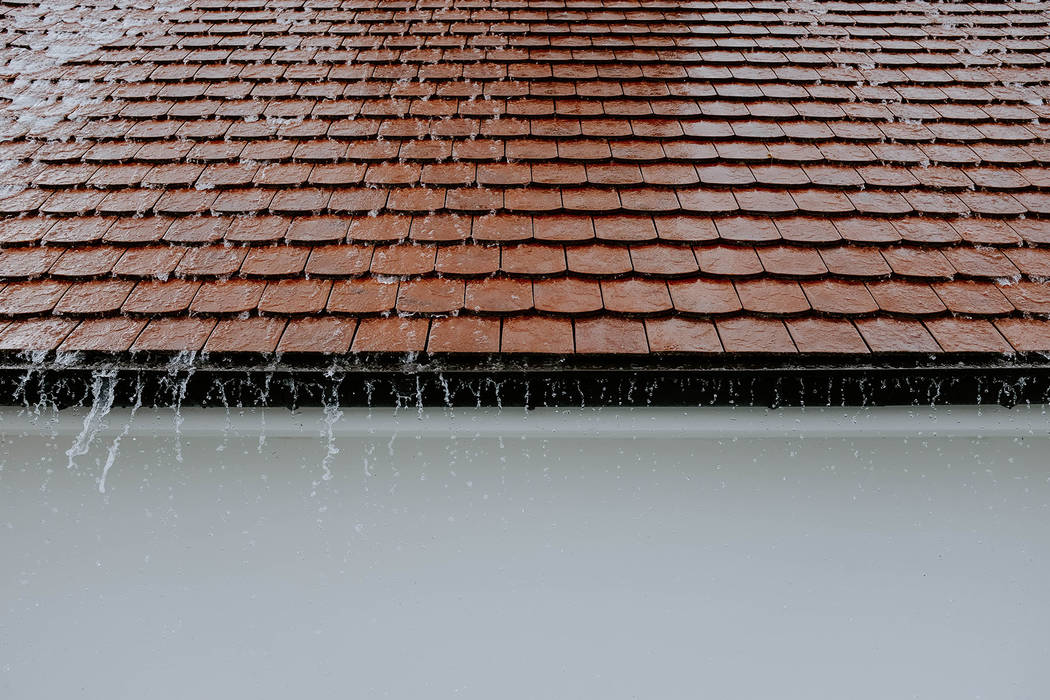
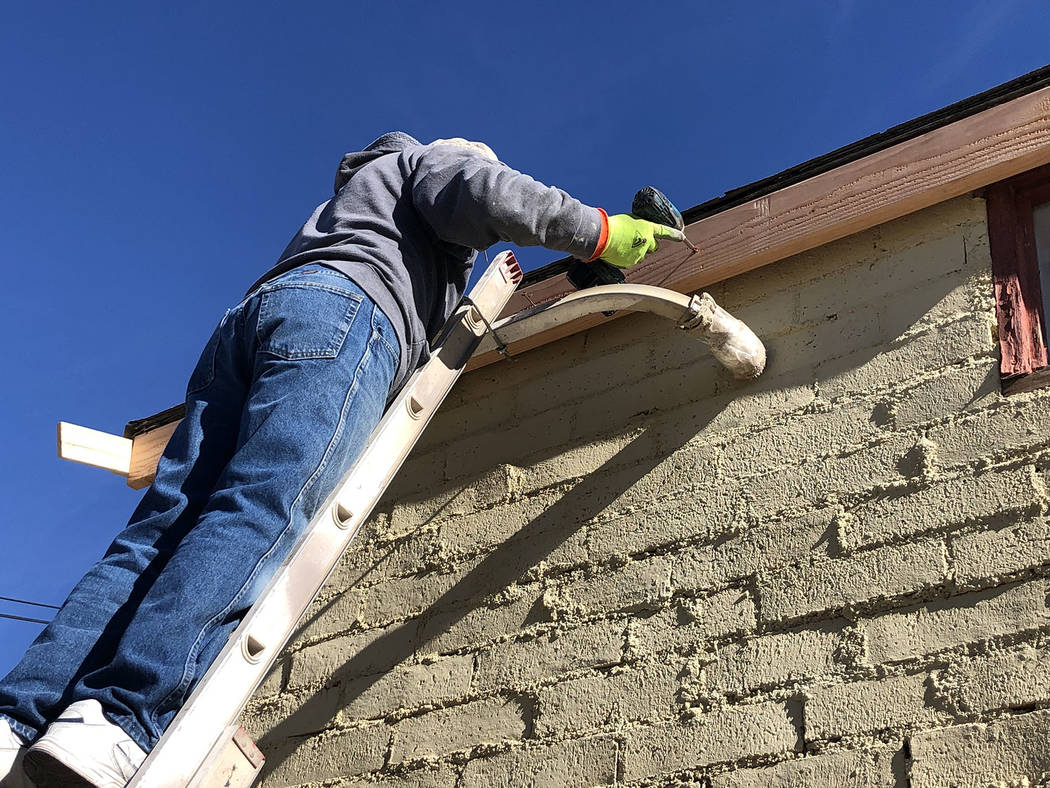





When one hears the word “envelope,” a building isn’t what comes to mind, yet this outer shell is the principal structure that maintains and protects a house’s indoor environment.
“It is the physical separator between the conditioned and unconditioned environment of a building including the resistance to air, water, heat, light and noise transfer,” according to Silverman Construction Program Management.
Imagine what a package would arrive looking like if it didn’t have a bubble-wrapped envelope to protect it in transit — dirty, banged up, lost parts, etc. Likewise, a faulty building envelope will cause heat loss (or gain in summer), poor air quality, and water and moisture intrusion, and even threaten structural integrity.
A building envelope can be broken into three categories: structural support, energy/matter control (insulation, windows, etc.) and aesthetics. When a house is built, architectural and engineering design principles along with building codes and regulations will dictate a house’s envelope performance. For example, what type of siding was used, what R-value (thermal Resistance) insulation is in the attic, and were energy-efficient windows installed?
The commercial building industry is focused more than ever on developing and implementing high-performance building materials and systems. According to the U.S. Energy Information Administration, Commercial Buildings Energy Consumption Survey, over 50% of a commercial building’s energy usage goes to heating, cooling and ventilation. High performance envelopes translate to big “green” margins — environmental and financial.
Similarly, residential homes are being built with more thought to its envelope. A newer construction material familiar to builders today is SIPs or structural insulated panels, energy-efficient building panels made from expanded polystyrene (EPS) or rigid foam insulation that’s sandwiched between sheets of oriented strand board (OSB) . Its advantages are very high R-value and excellent soundproofing.
In Boulder City, home construction back in the 1930s had little to do with high-performance or being green and sustainable — terms that surely didn’t exist back then. Folks were literally living in rag tents, in the infamous “Ragtown.” By comparison anything with four walls and a roof was high-performance.
Today, we still have many homes with single-pane windows, substandard insulation and roofs that have been around far longer than they should be — all envelope no-nos.
As a homeowner or future homebuyer it’s crucial to assess the building envelope. If you’re having a home built, or with any major remodeling, there are vital components to a building’s thermal envelope that should be checked. For example, the 2018 residential International Energy Conservation Code is very specific about a continuous air barrier and mandates the thermal envelope be built to limit air leakage in accordance with code requirements.
Regular inspections to your home are key to envelope integrity. There are checklists you can find online for homeowners. Early spring or after a major weather event is a good time for inspection.
Arthur L. Sanders from Hoffmann Architects’ advises that we should inspect roofs, facades, windows and doors on a regular basis to “identify materials near the end of their service life, anticipate and plan for replacements, catch small problems before they become big ones, extend component lifespan, avoid unforeseen emergency repairs and minimize major capital expenditures.”
Ideally, hiring an industry expert will yield the best envelope analysis. Pros will take infrared surveys that reveal exactly where energy is being lost from within the building and use a moisture meter to see where there may be water intrusion.
Building envelopes are often described as being “tight” or “loose.” Loose means drafty and hard to regulate, but more natural airflow yields less need for mechanical ventilation. A tight envelope allows for a better control over air quality, temperatures, humidity and therefore mold/mildew.
Be it tight or loose, maintaining and improving your building envelope will improve energy efficiency and comfort quality and add value to your home.
Norma Vally is a seasoned veteran of home improvement; her career includes four seasons as host of Discovery Home Channel’s Emmy-nominated series “Toolbelt Diva.” A columnist and author, Vally splits her time in Southern Nevada, Los Angeles and New York City. Follow her on Facebook at Norma Vally “Toolbelt Diva” and visit her at www.NormaVally.com. Email Norma@NormaVally.com.