Grant aims to help protect, conserve endangered species





While many people are fretting over the massive reduction of water at Lake Mead, the over 387 species of animals that call the lake home have also had to adjust to the drought.
But aid is on the way as President Joe Biden’s Bipartisan Infrastructure Law included provisions for endangered species recovery and conservation in the Colorado River Basin, and has granted $8.5 million to the Southern Nevada Water Authority.
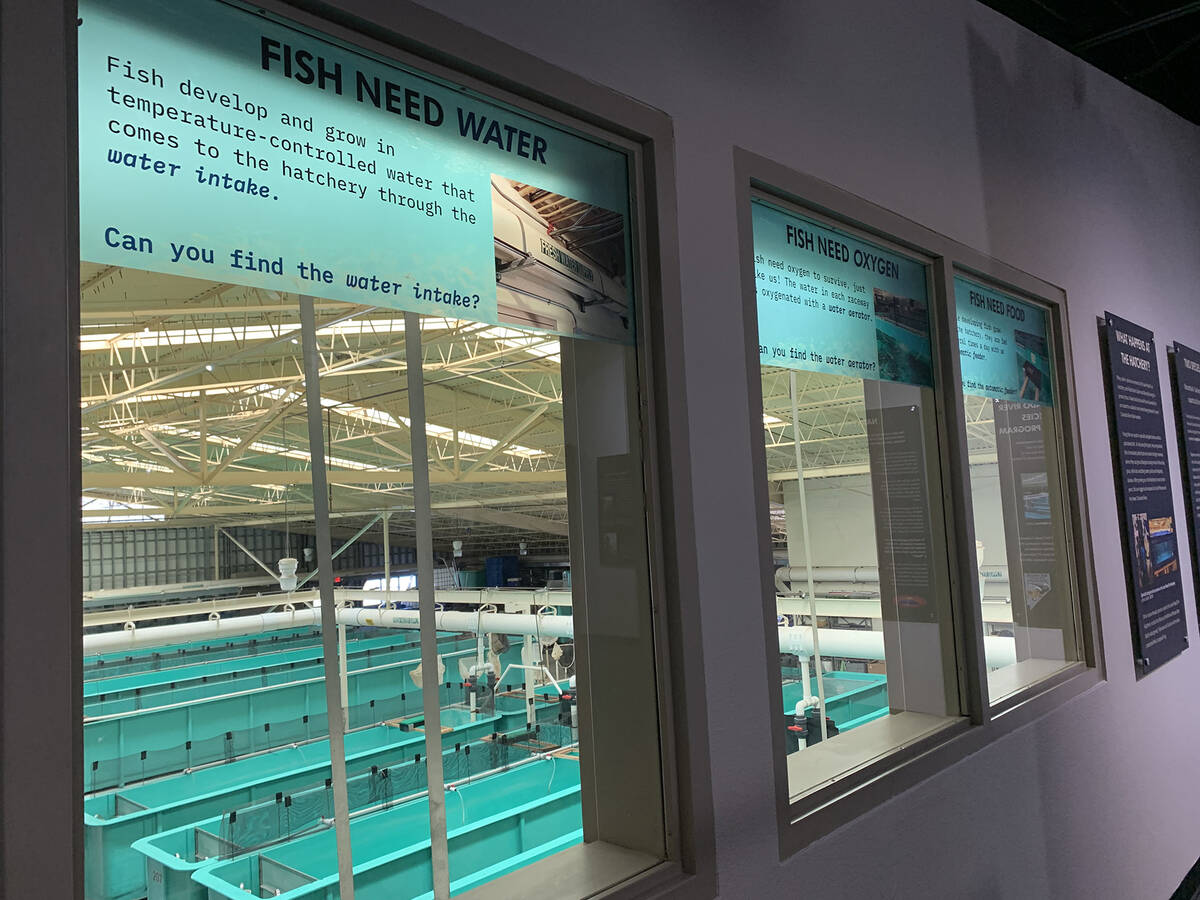
The funding will be used at the Lake Mead State Fish Hatchery to better protect two endangered species of fish: the razorback sucker and bonytail chub. The money will help modify water intake levels, which are currently unable to deliver cool water to the hatchery due to the drought.
With low water levels, the hatchery was forced to suspend operations and remove native fish. This $8.5 million grant will be used to construct a new water delivery system that would draw cooler water from a point in Lake Mead and allow operations to continue.
“With the drought putting more pressure than ever on water projects and the environment, the investment announced today will tackle known facility needs and help assure the continued survival of endangered fish species in the Colorado River Basin,” said Bureau of Reclamation Commissioner Camille Calimlim Touton on Aug. 31.
According to the National Park Service, 21 species of plants and animals are facing extinction as Lake Mead has dropped to the lowest point it has ever seen since it was filled in 1934.
These endangered animal species, found in the Southwestern United States, according to the Nevada Department of Wildlife, are:
Mammals: Sierra Nevada red fox.
Snails: Bruneau Hot Springsnail.
Amphibians: Yosemite toad, Sierra Nevada yellow-legged frog.
Insects: Mount Charleston blue butterfly and Carson wandering skipper.
Birds: Yuma Ridgway’s rail and Southwestern willow flycatcher.
Fish: Cui-Ui, Moapa dace, Devils Hole pupfish, Pahranagat roundtail chub, Warm Springs pupfish, woundfin, bonytail, Virgin River chub, Ash Meadows speckled dace, Clover Valley speckled dace, Independence Valley speckled dace, Ash Meadows Amargosa pupfish, White River spinedace, Hiko White River spring fish, White River spring fish and razorback sucker.
The popular desert tortoise is labeled as threatened.
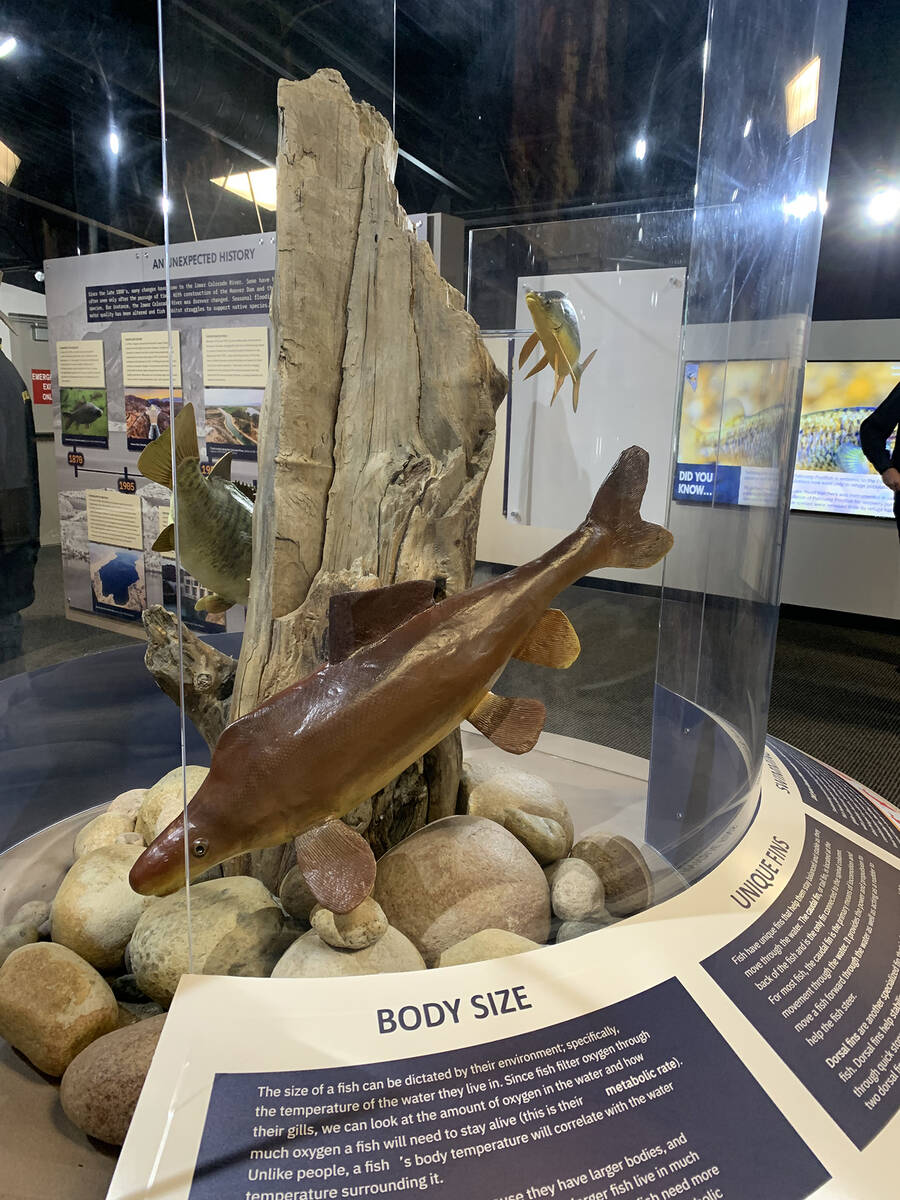
The razorback suckers and bonytail chub are species of fish that can only be found in the Southwestern United States, primarily in the Colorado River. They have been listed as an endangered species since 1991 and are labeled critically endangered.
“Razorback suckers live nowhere else on Earth, and they are an essential part of what makes the Colorado River a vibrant, unique place. If native fish were to disappear, the only fish that would inhabit this ecosystem will be the same carp, bass and catfish that inhabit thousands of other waterways around the globe. Saving native species helps us to preserve diversity and uniqueness everywhere on Earth,” the National Park Service’s website stated.
The desert tortoise can live for over 100 years, which means there are likely some tortoises roaming the Mojave Desert that are older than the Hoover Dam itself and have seen Lake Mead’s water levels rise and fall. It is protected by law not to touch desert tortoises in the wild.
Taking to the skies, there are over 320 different documented bird species in the Lake Mead National Recreation Area.
“Why save a species? The easiest answer is that many species are important to keep around because they are critical, either to us or in the ecosystem where they live,” the National Park Service’s website stated.
Contact reporter Owen Krepps at okrepps@bouldercityreview.com or at 702-586-9401. Follow him on Twitter @OKrepps85.