The Nevada manufacturer behind every crewed NASA mission since 1968
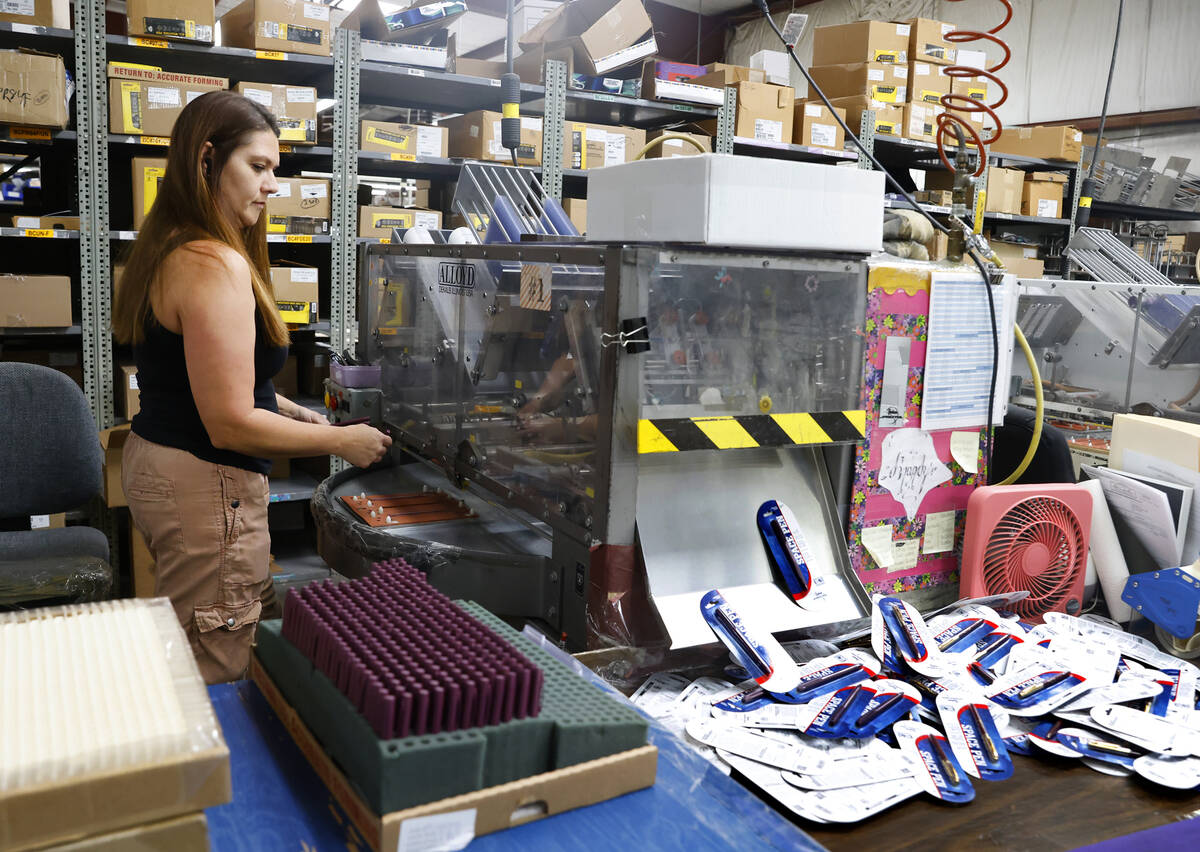
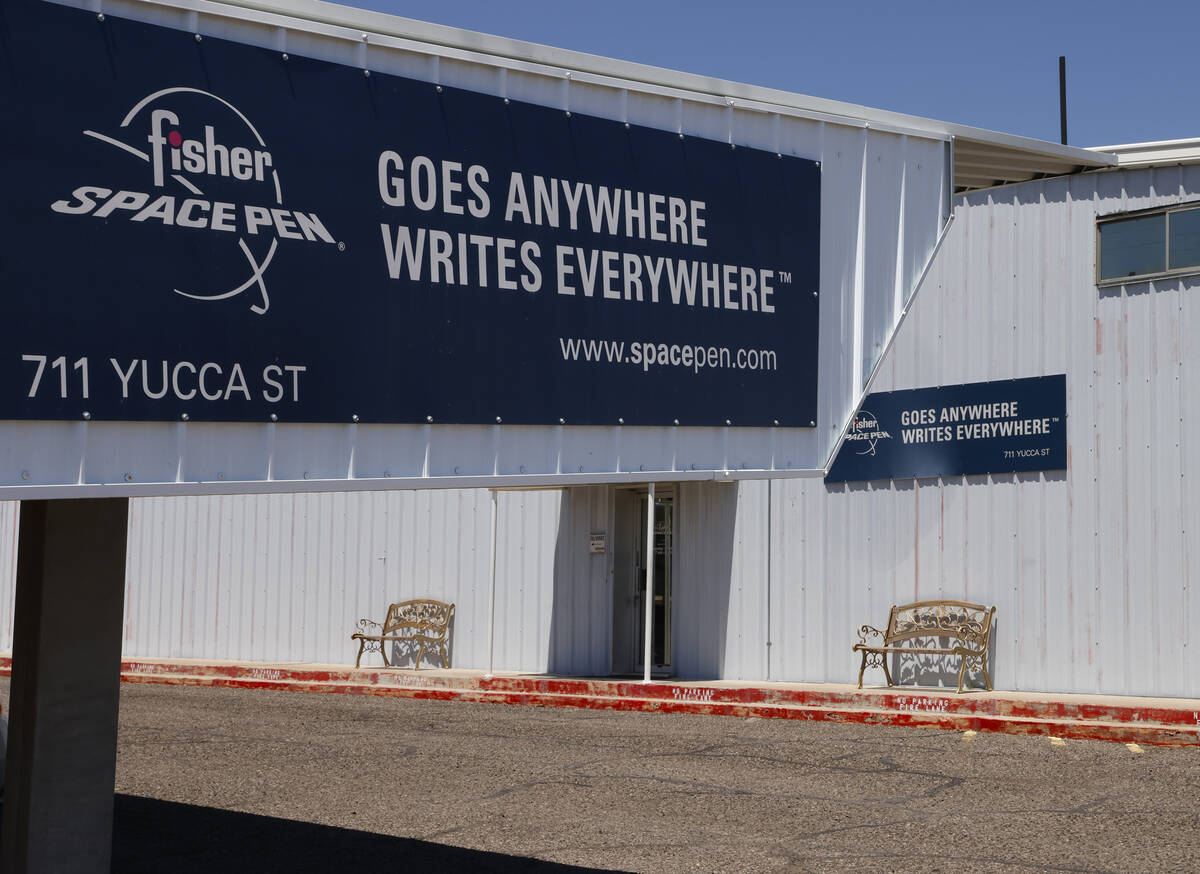




In an industrial building tucked away in Boulder City, workers assemble one of the longest-serving pieces of equipment in space flight history.
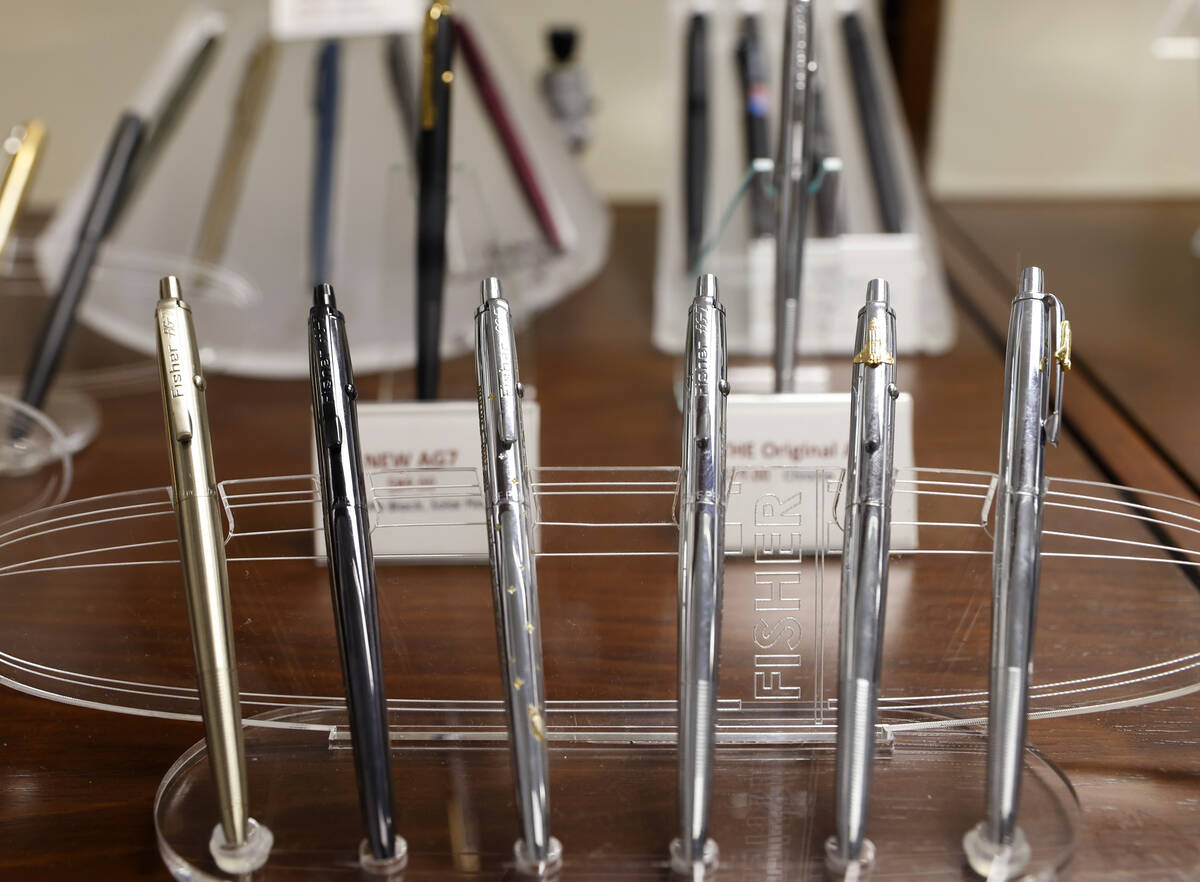
Fisher Space Pen, founded in 1967, has flown on every crewed NASA mission since Apollo 7 in 1968 and remains the only pen certified for use in space.
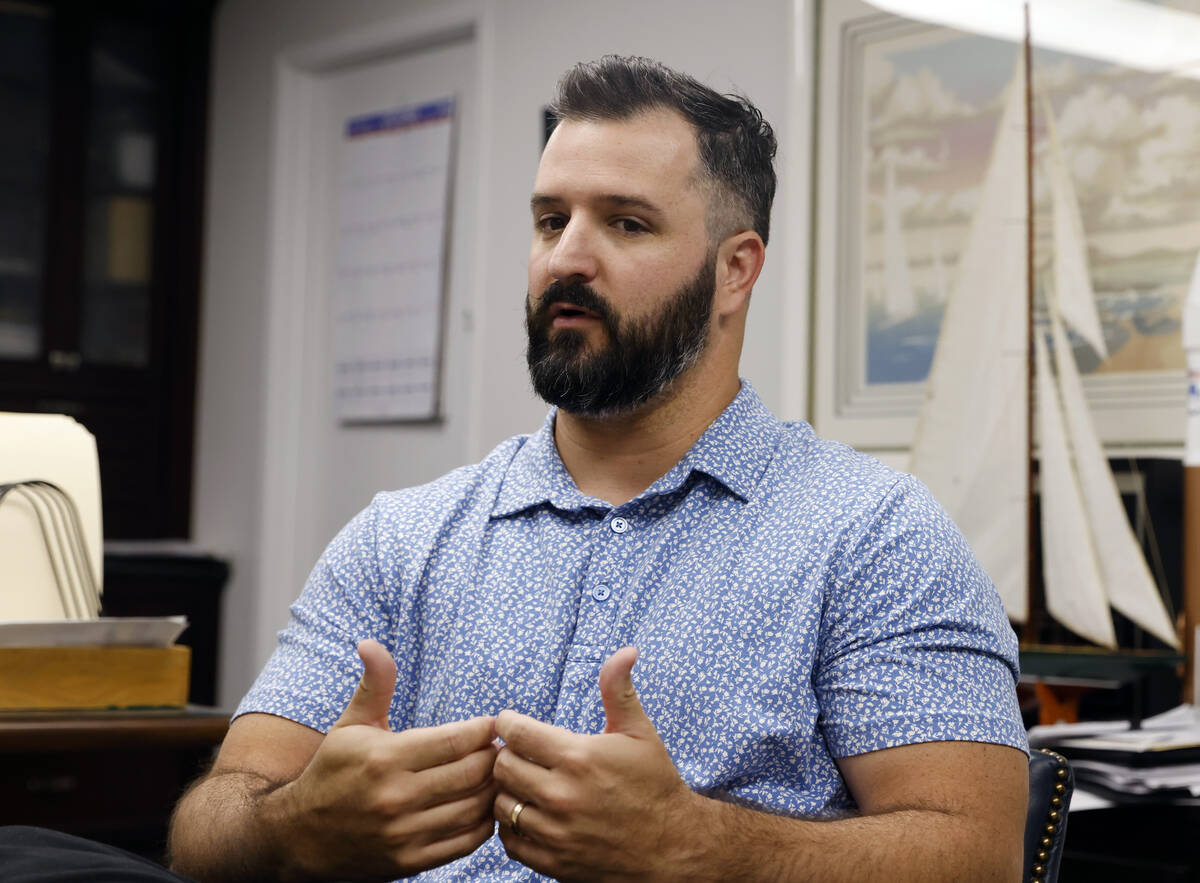
“Since 1968, when we gifted NASA and the astronauts with the pen, it’s safe to say we’re one of the oldest pieces of space equipment still in use today,” said Eric Bond, the company’s head of sales and marketing.
More than half a century after its founding, the family-owned company remains distinctly American. Its pens are manufactured in Boulder City, displayed in New York’s Museum of Modern Art as examples of industrial design and have appeared in pop culture, including the “Seinfeld” episode “The Pen.”
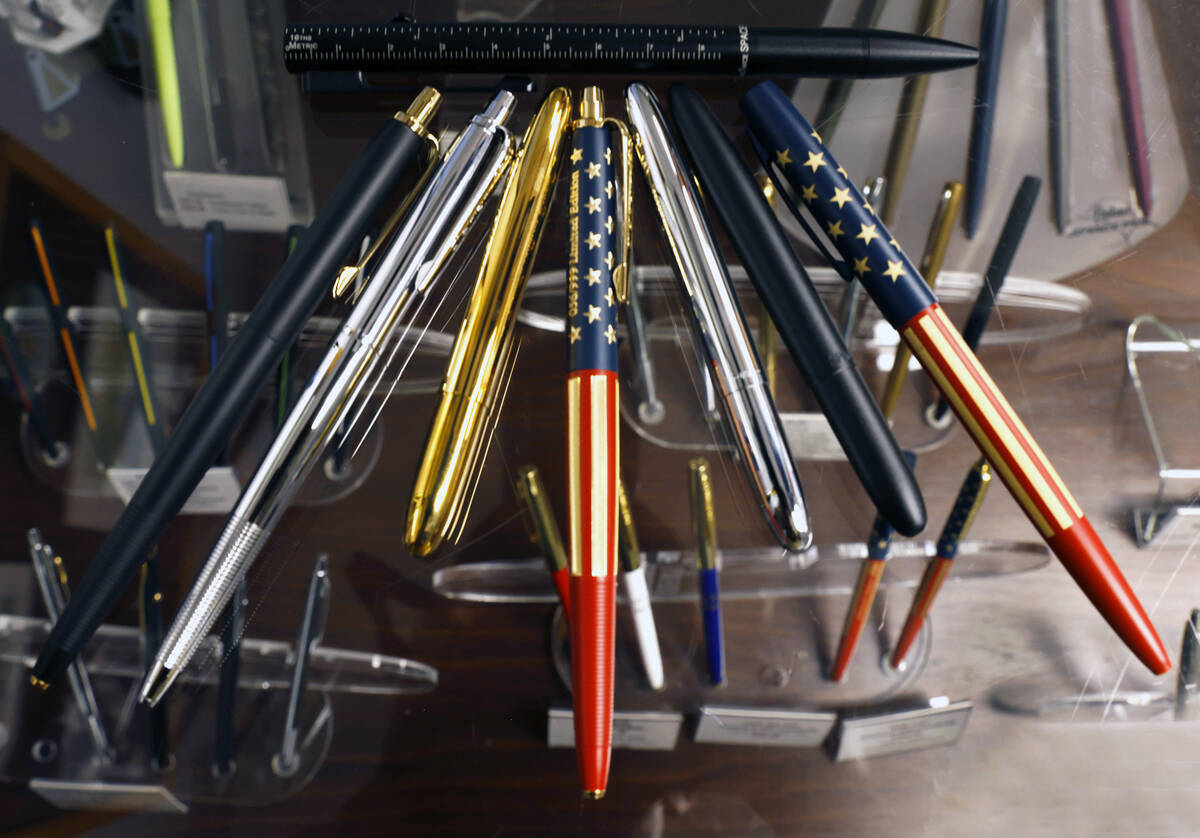
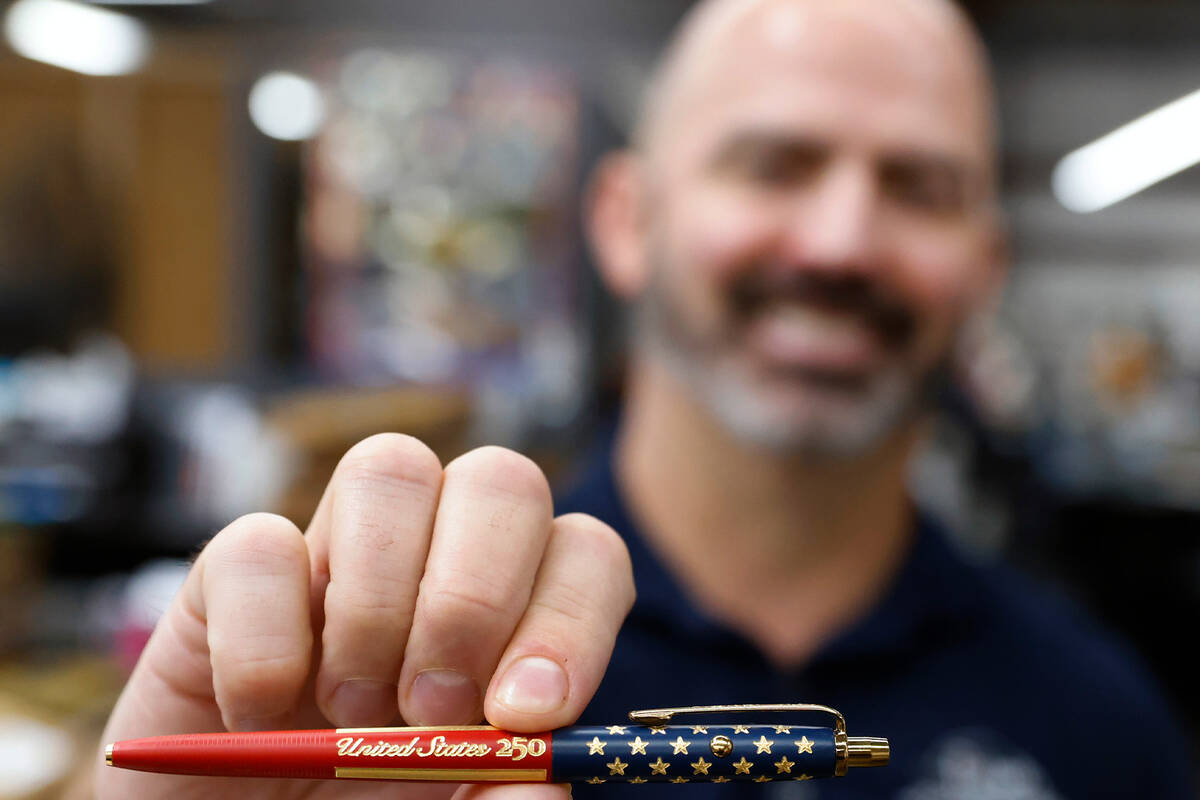
Fisher Space Pen is also marking America’s upcoming 250th birthday with a special America 250 commemorative pen.
Inside the invention
The origins of the Space Pen trace back to a simple but difficult problem: writing in space.
After the Apollo 1 fire in 1967, NASA placed renewed emphasis on safety and communication in space flight. At the time, astronauts relied on pencils, but they posed risks in a spacecraft environment.
Graphite could flake off, float into eyes or equipment and create a fire hazard. NASA began searching for an alternative.
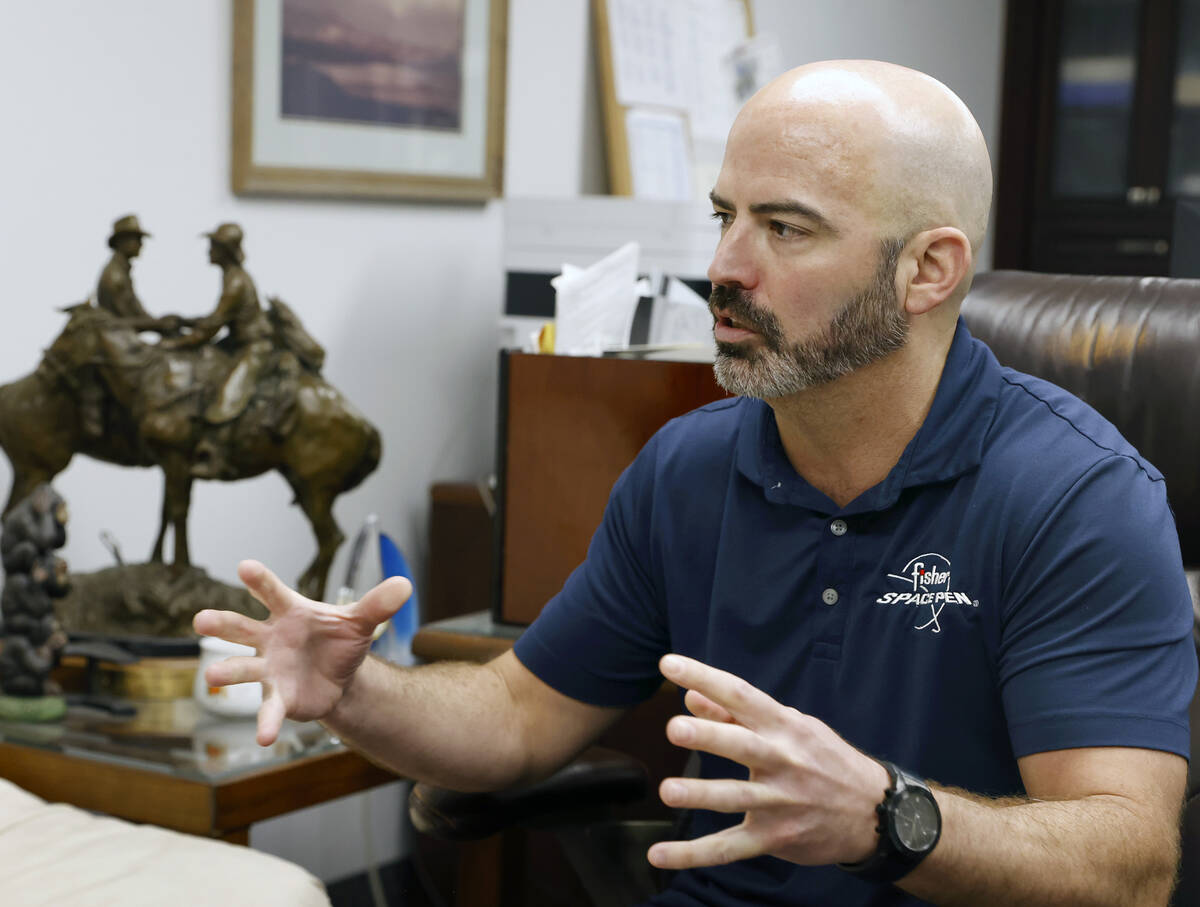
“They were calling all these big pen brands. Nobody had what they were looking for,” said Matt Fisher, vice president of Fisher Space Pen. “Until they came across Dallas Pen Company, who said, ‘You should call Paul Fisher. He knows more about pens than anybody.’”
Paul Fisher’s first message to NASA, when contact was finally made, was blunt.
“Where the hell have you been? I’ve been trying to get a hold of you,” he reportedly said.
Founder Paul Fisher, who had started Fisher Pen Company in 1948, began privately developing what would become the Space Pen, investing millions of his own dollars.
“My grandfather understood the need for a nonhazardous writing instrument in space,” Matt Fisher said. “He wanted to create a pen that could withstand the harshest environments, both on Earth and beyond.”
Rather than relying on gravity, the Fisher Space Pen uses a sealed, pressurized ink cartridge. Compressed nitrogen forces ink toward the ballpoint, allowing it to write in zero gravity, underwater, over grease and in temperatures ranging from minus 30 degrees to 250 degrees Fahrenheit.
After 18 months of testing, NASA approved the pen for the Apollo 7 mission in 1968. Since then, the Original Astronaut Space Pen has flown on every crewed mission.
^
Myths and misconceptions
For decades, Fisher Space Pen has worked to correct two persistent myths: that NASA spent millions developing a pen for space and that Soviet cosmonauts used pencils.
Neither is true.
The pen was developed privately by Paul Fisher and later adopted by NASA after testing. And while pencils were used in early space programs, they were phased out because of safety concerns. Soviet crews later adopted pressurized pen technology, as well.
Inside the factory
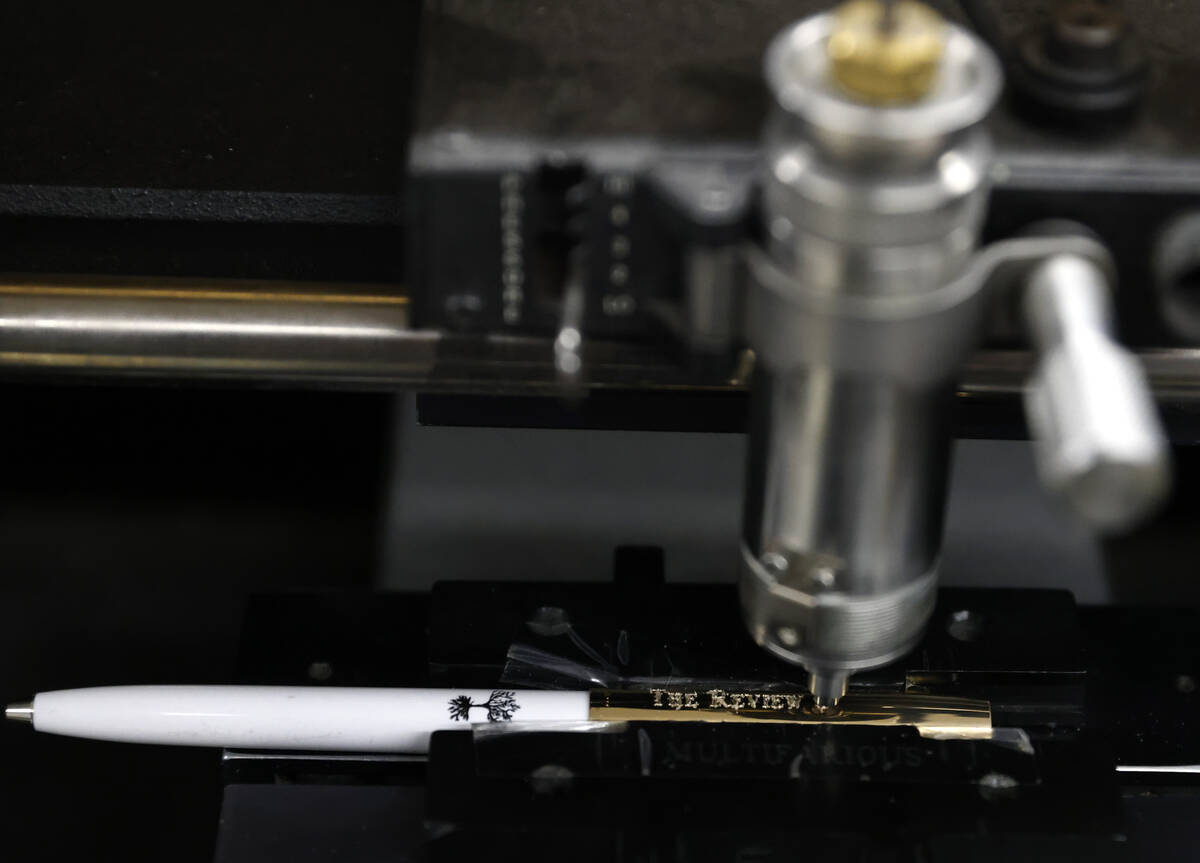
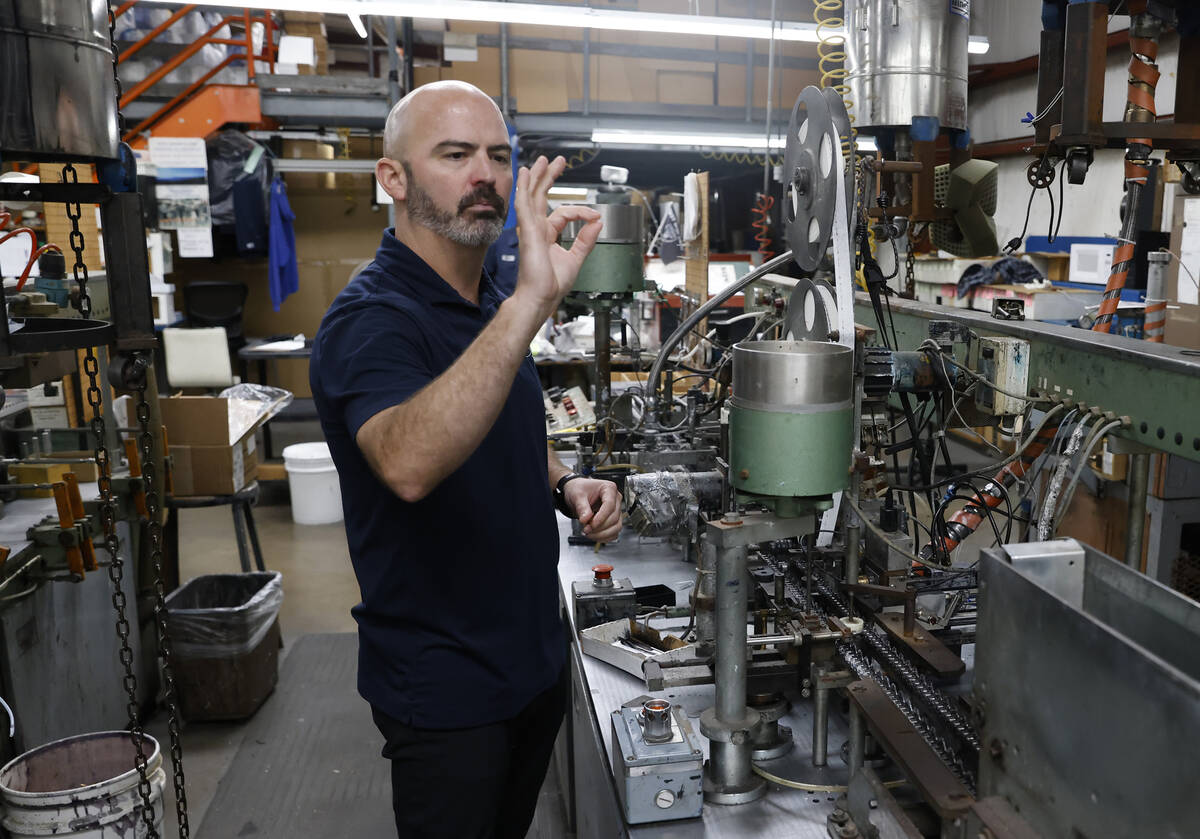
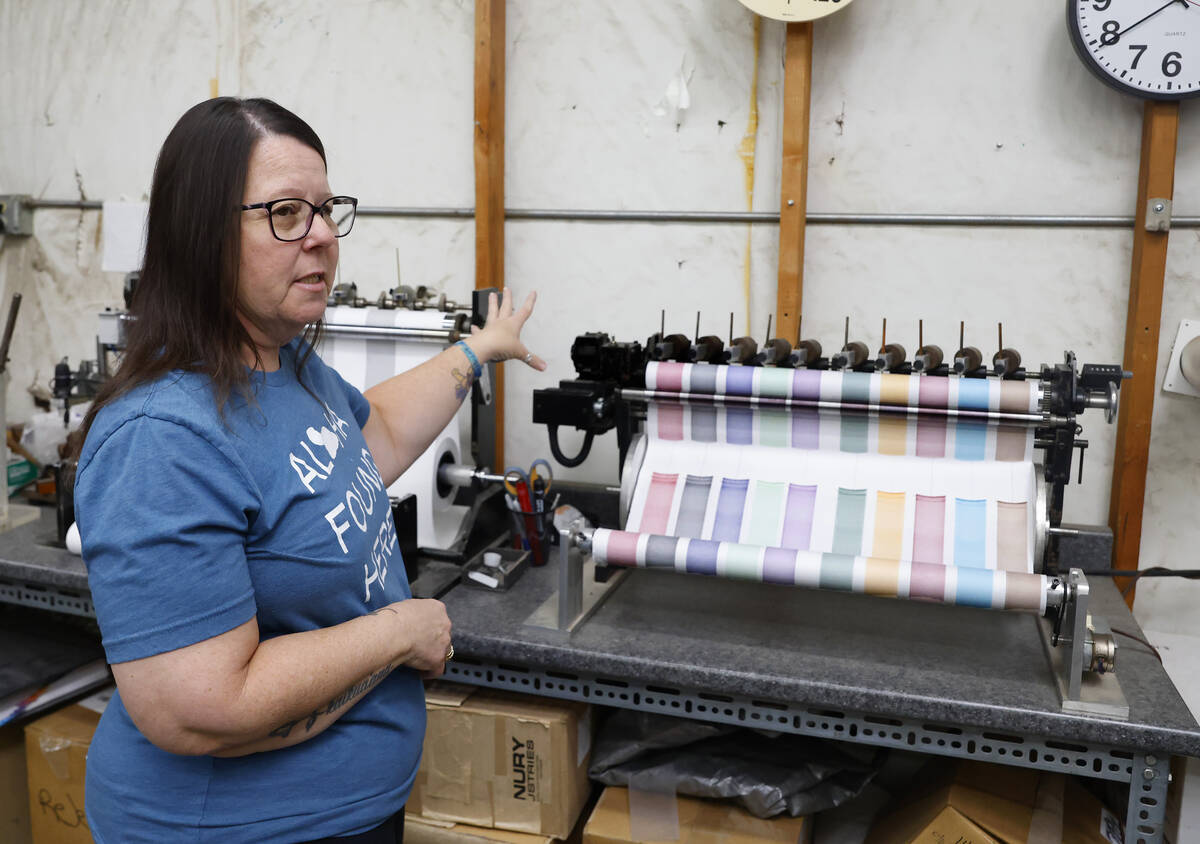
Most of Fisher Space Pen’s production cannot be automated.
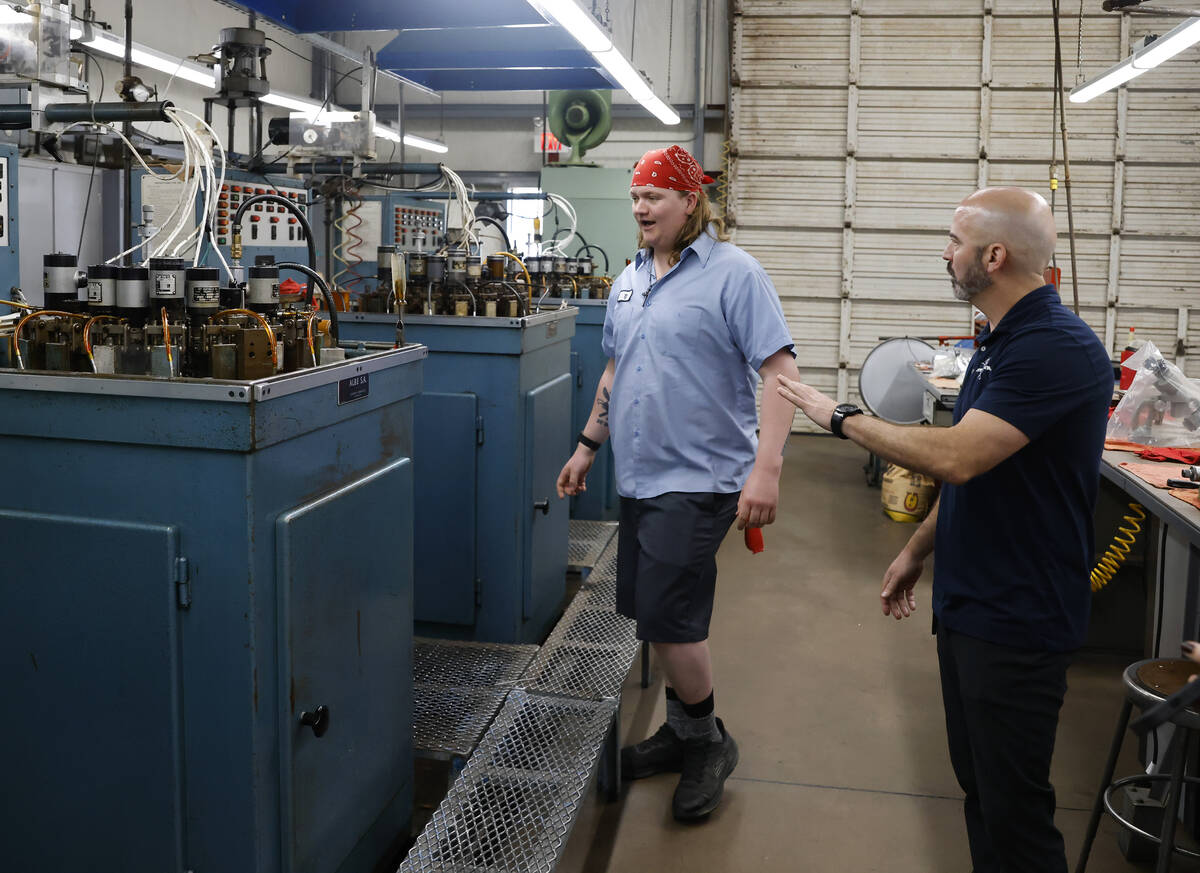
Many of the machines are more than 50 years old, and some date to the post-World War II era. They were originally built for other pen manufacturers and later modified for Fisher’s needs.
The equipment cannot be easily replaced or reproduced, and knowledge of how to operate it is passed from one mechanic to the next.
That institutional knowledge is critical, as much of the production process remains difficult to automate.
When machines cannot do the work, employees step in.
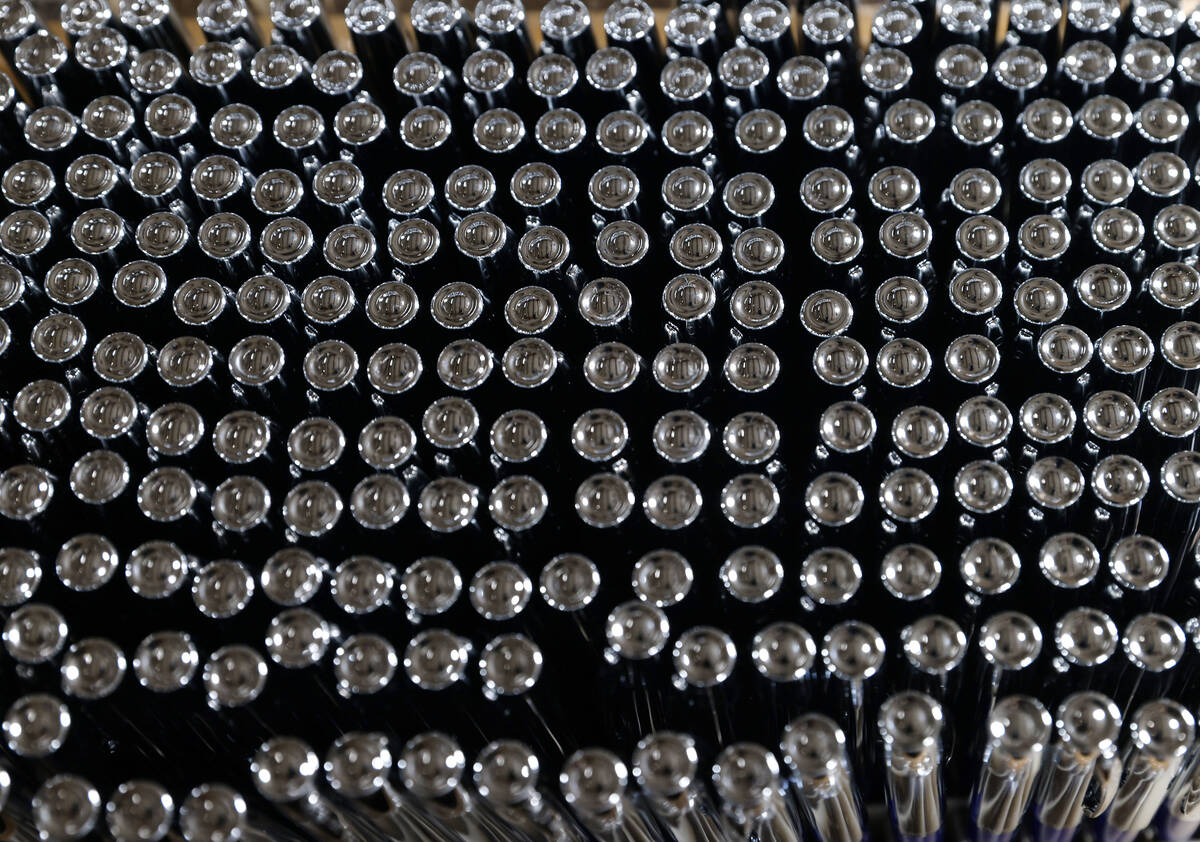
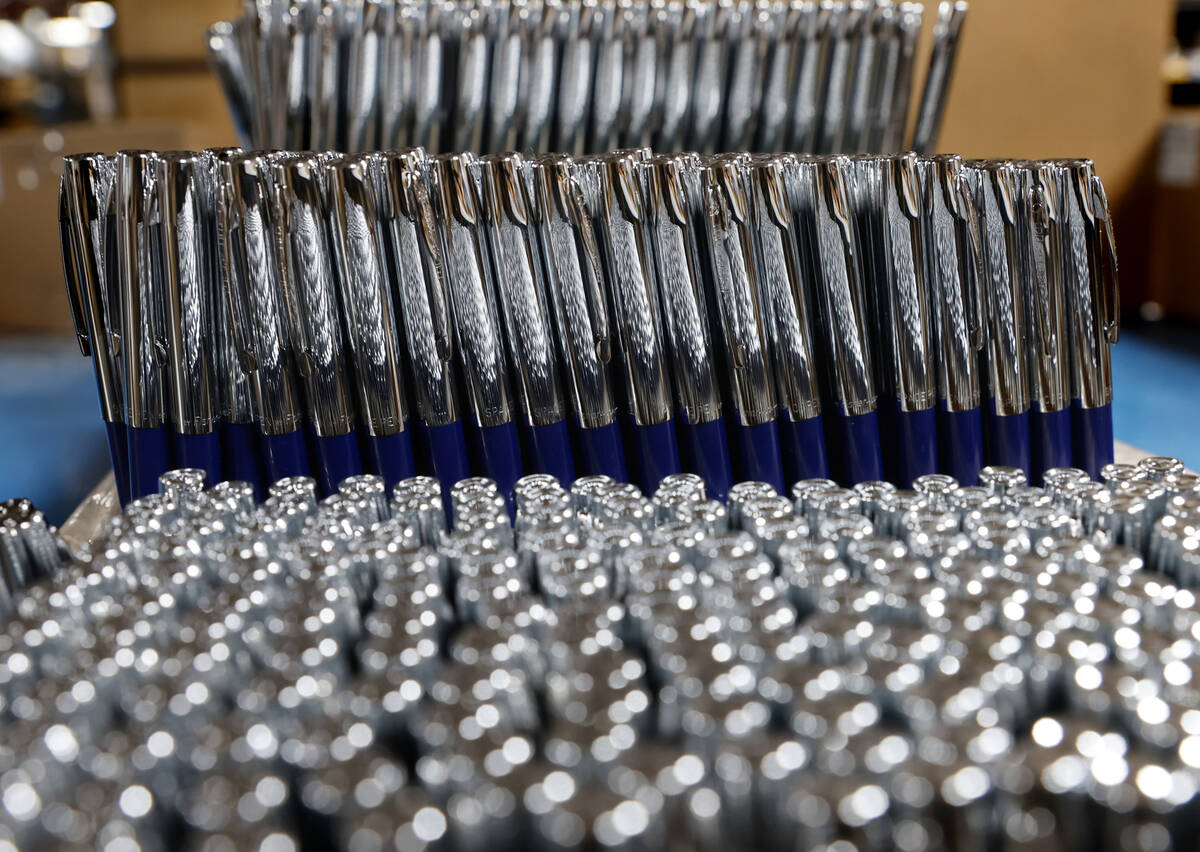
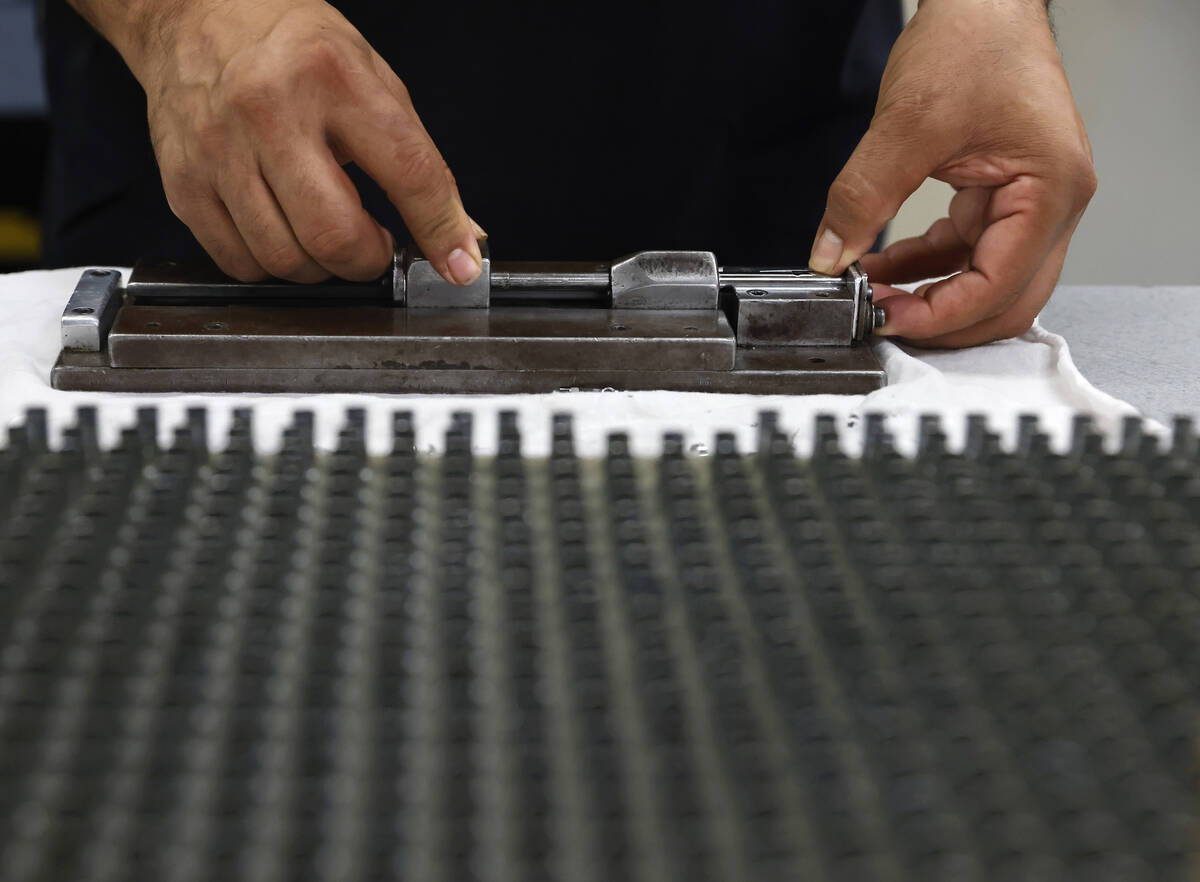
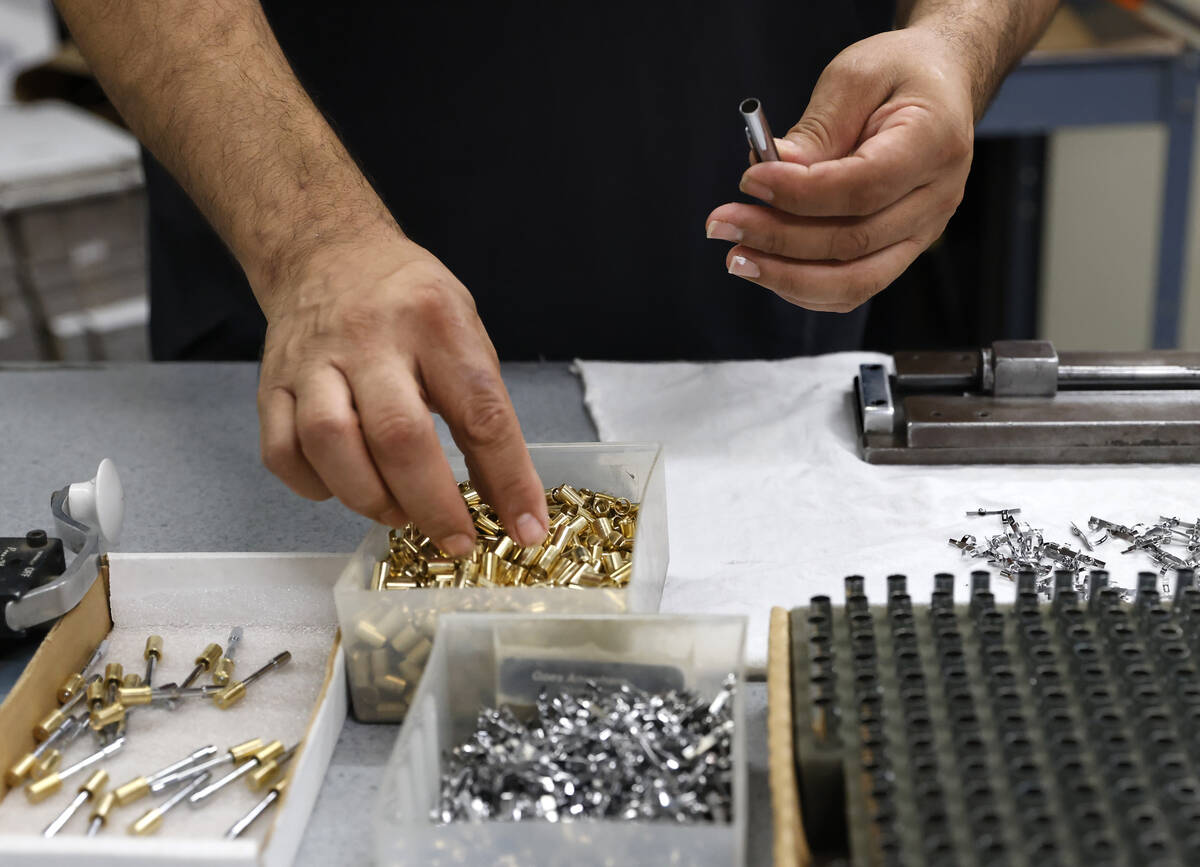
A Space Pen begins as carbon steel wire and empty metal tubes, which are formed into precision ballpoint tips, filled with in-house ink, pressurized and sealed into refills. Each refill is then tested for hours before being assembled into finished pens.
Completed pens are checked for balance and feel, then packaged on high-speed lines ready for shipment to astronauts, mechanics and everyday users.
The company can package up to 10,000 pens per day using a rotary blister card machine.
Fisher Space Pen employs 55 people, whom Matt Fisher calls the company’s “lifeblood.”
“Boulder City is home for us. It’s been my home my entire life,” he said. “But it’s also home to employees who have been here for decades, some for 45 or 50 years.”
Because so much of the process is learned rather than written down, training new workers is essential to the company’s future.
^
Keeping it in Boulder City
The company was originally based in Chicago and later Van Nuys, California, before relocating manufacturing to Boulder City in 1976.
Matt Fisher said rising costs and available land played a role in the move.
“Taxes in California were daunting,” he said. “When the company first moved here, the real estate was cheaper, the space industry was developing, and the region was up and coming.”
Paul Fisher found land in Boulder City through a family connection and moved production to Nevada, bringing manufacturing operations with him.
They have been there ever since.
“Fisher Space Pen represents the very best of Boulder City: innovation, quality and community pride,” said Jill Rowland-Lagan, CEO of the Boulder City Chamber of Commerce.
Now, Boulder City remains as a strategic location for the company, with “great access to transportation, logistics, tourism, and a reliable workforce,” Matt Fisher said.
^
See bouldercityreview.com Thursday for the remainder of the article.
“It allows us to maintain a close-knit community feel that perfectly aligns with our culture,” he said. “We take a lot of pride in keeping manufacturing and high-quality craftsmanship right here in Southern Nevada.”
A family business
For Matt Fisher, the company has been part of his life since childhood.
“I’ve been working here since I was 8 years old, every summer,” he said. “When I came back after college, my dad said I was starting right where I started when I was 8 years old.”
His father, Cary Fisher, is president of the company.
He said preserving the company’s family-owned structure is intentional.
“I think it’s important to keep it in the family,” he said. “To ensure our values don’t get blurred.”
Multiple generations of both the Fisher family and longtime employees continue to work at the company. The company intends to keep it that way, with hopes to grow with the fourth, fifth, and so on, generations.
Additionally, keeping it in the family continues the legacy and ethos his grandfather and father have fostered: one of long-term partnerships, respect and dignity, which has led to multiple generations of the other families working at the factory and company, Matt Fisher said.
“Keeping the business family-owned allows us to maintain this culture and focus on holding onto our people and looking out for our community,” he said.
^
Looking ahead
Today, Fisher Space Pen offers more than 85 designs and sells through its website, Amazon and independent retailers.
“As the world develops, as we get further into space, as we get more intertwined with computers and AI, it’s really nice to just take a pen and sit down and write out your thoughts,” Bond said.
To remain relevant, Fisher Space Pen has partnered with the future of space flight — commercial space carriers such as Blue Origin and Axiom Space, as well as keeping its long-standing partnership with NASA. It is also making the outside of the pens more versatile with added features such as measuring mechanisms and reinforced clips.
For a company whose products have accompanied astronauts for nearly six decades, the goal remains simple: keep writing the future — wherever it leads. That includes adding new features and expanding its marketing to reach a broader audience, from blue-collar workers, first responders and law enforcement officers who benefit from the pens’ durability to everyday writers.
Even as space becomes increasingly commercial, Fisher Space Pen continues to look ahead.
“Our ongoing cultural relevance is closely tied to our story: We emphasize being a family-owned business that is made in America while maintaining strong ties to both the legacy and future of space,” said Matt Fisher.
The company hopes that one day its products will go beyond Earth entirely, becoming the first interplanetary pen.
For now, it remains focused on a more grounded mission: business as usual in Boulder City.
Contact Emerson Drewes at edrewes@reviewjournal.com. Follow @EmersonDrewes on X.