AI data center deals must be carefully crafted, EPA chief says in Las Vegas
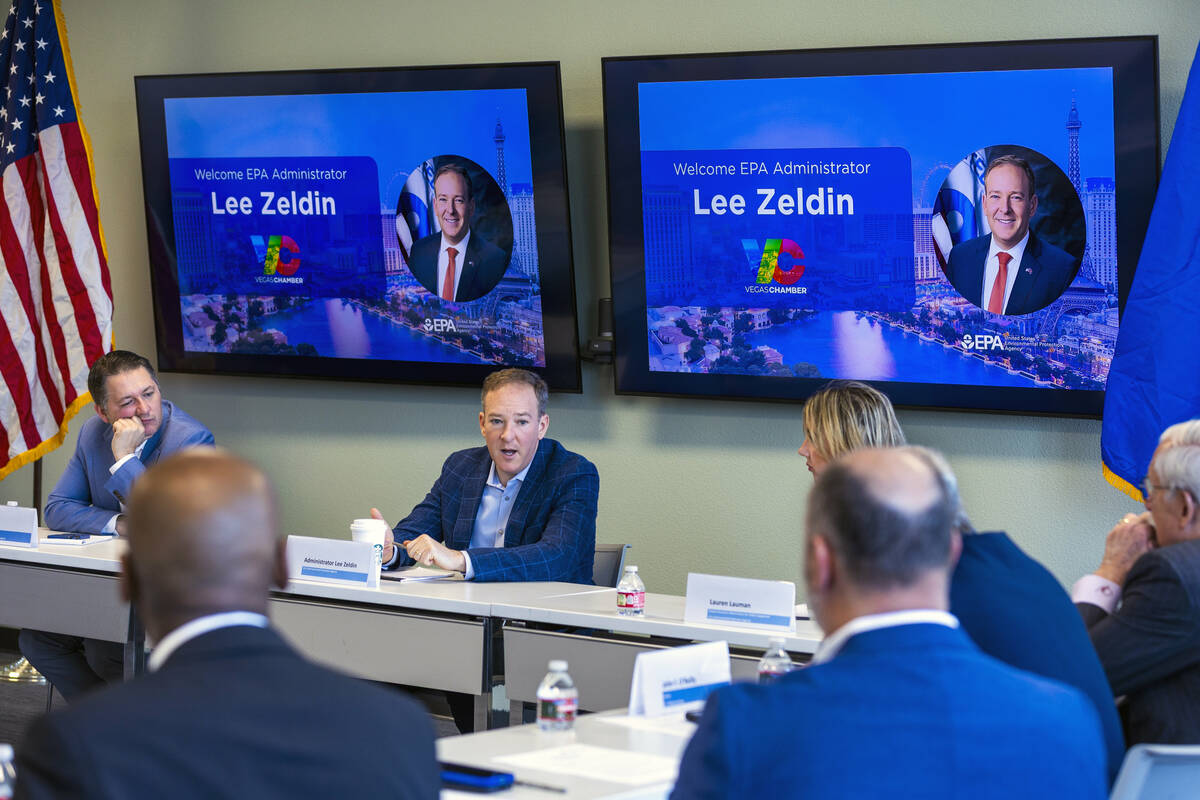
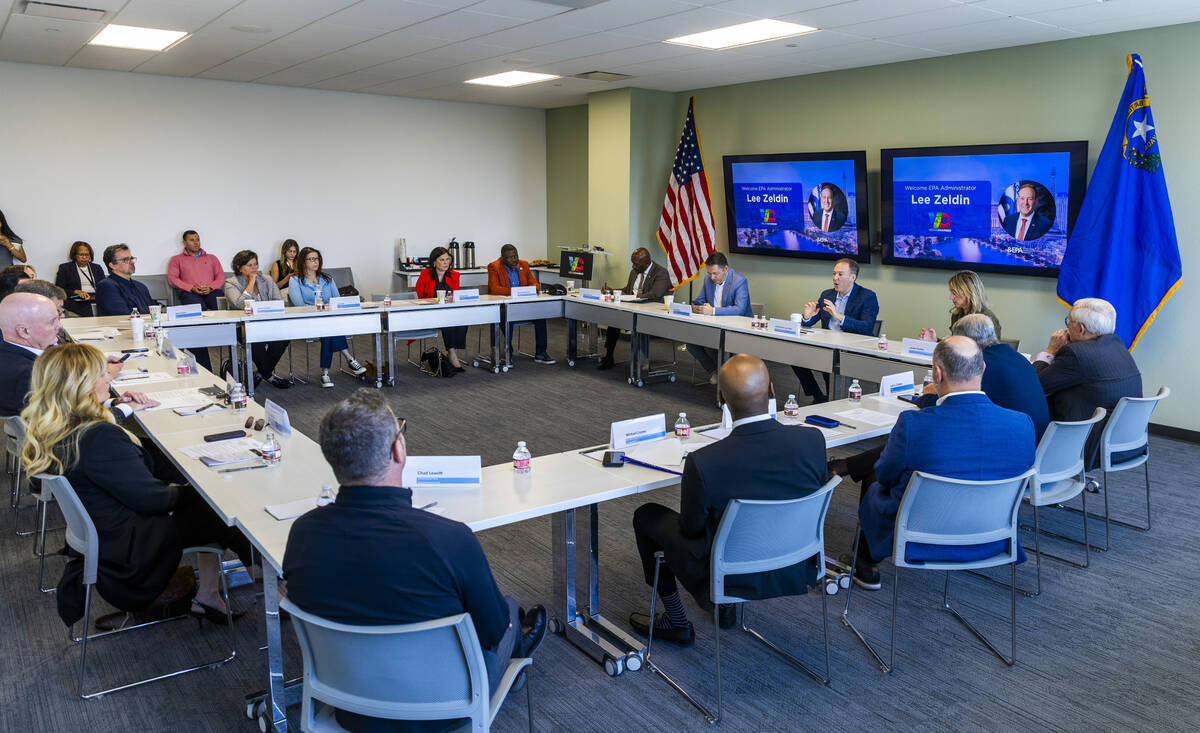
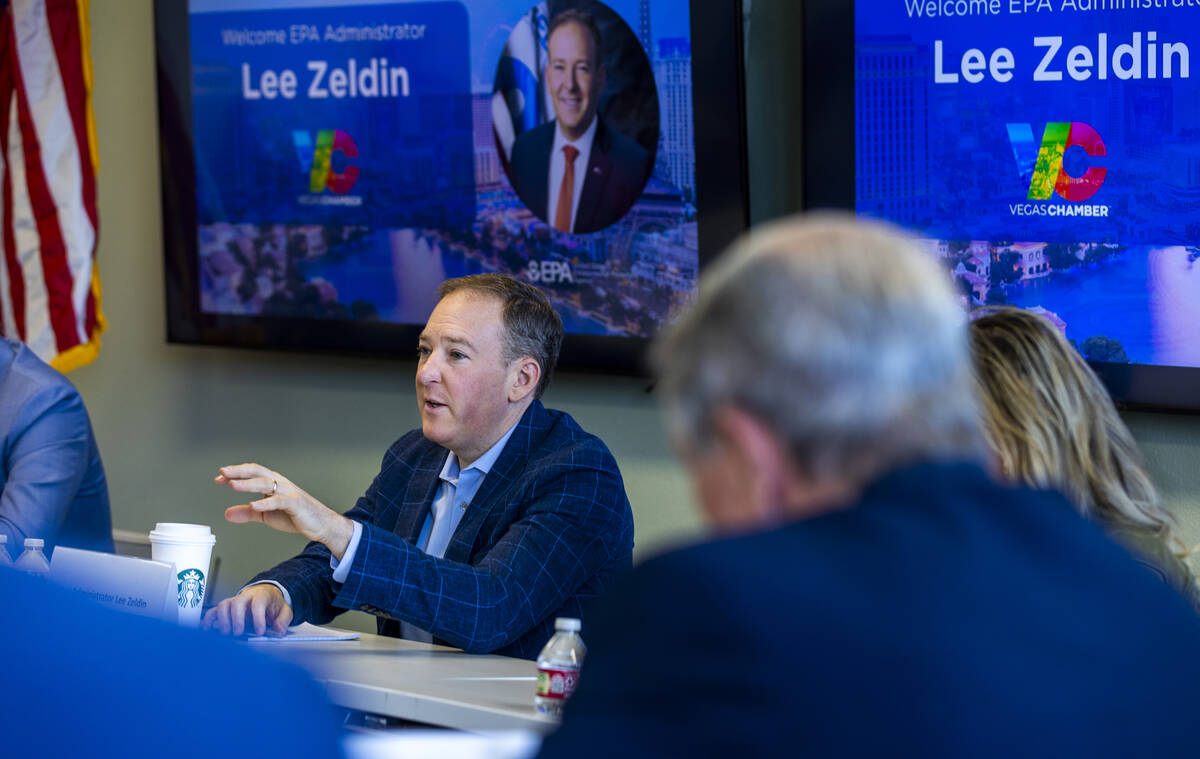

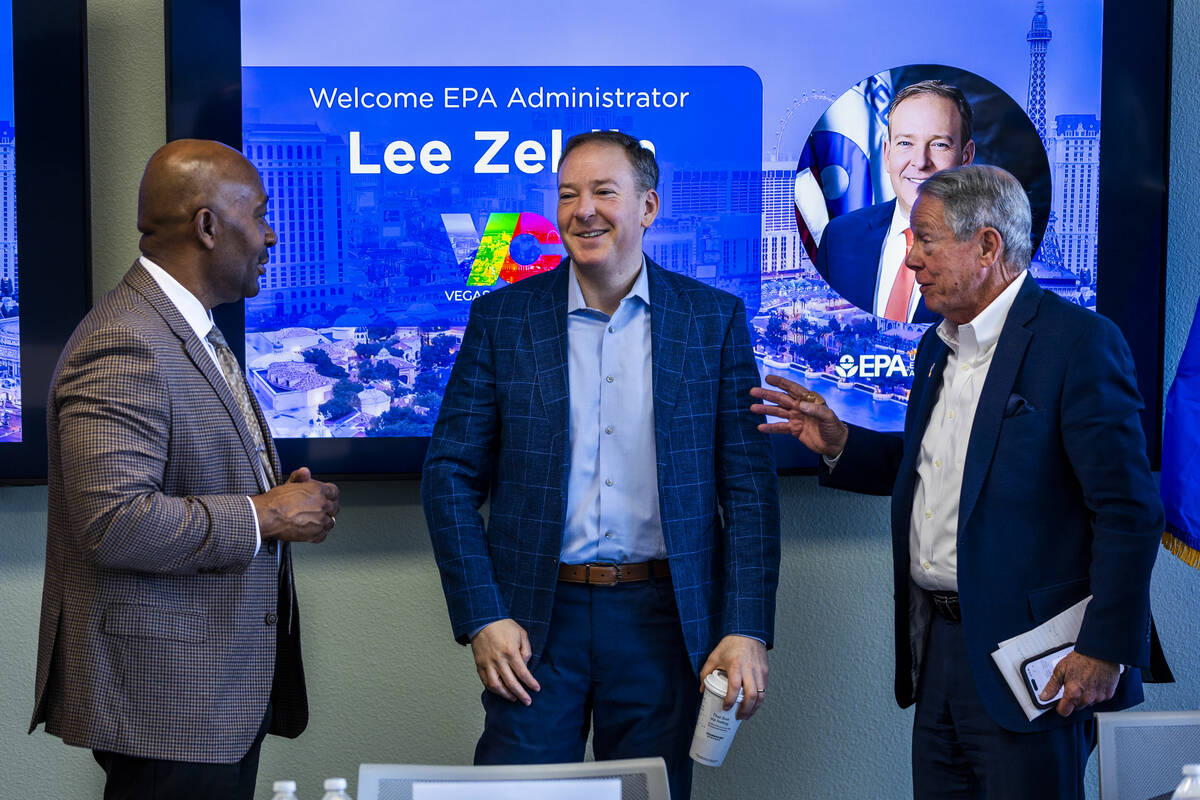
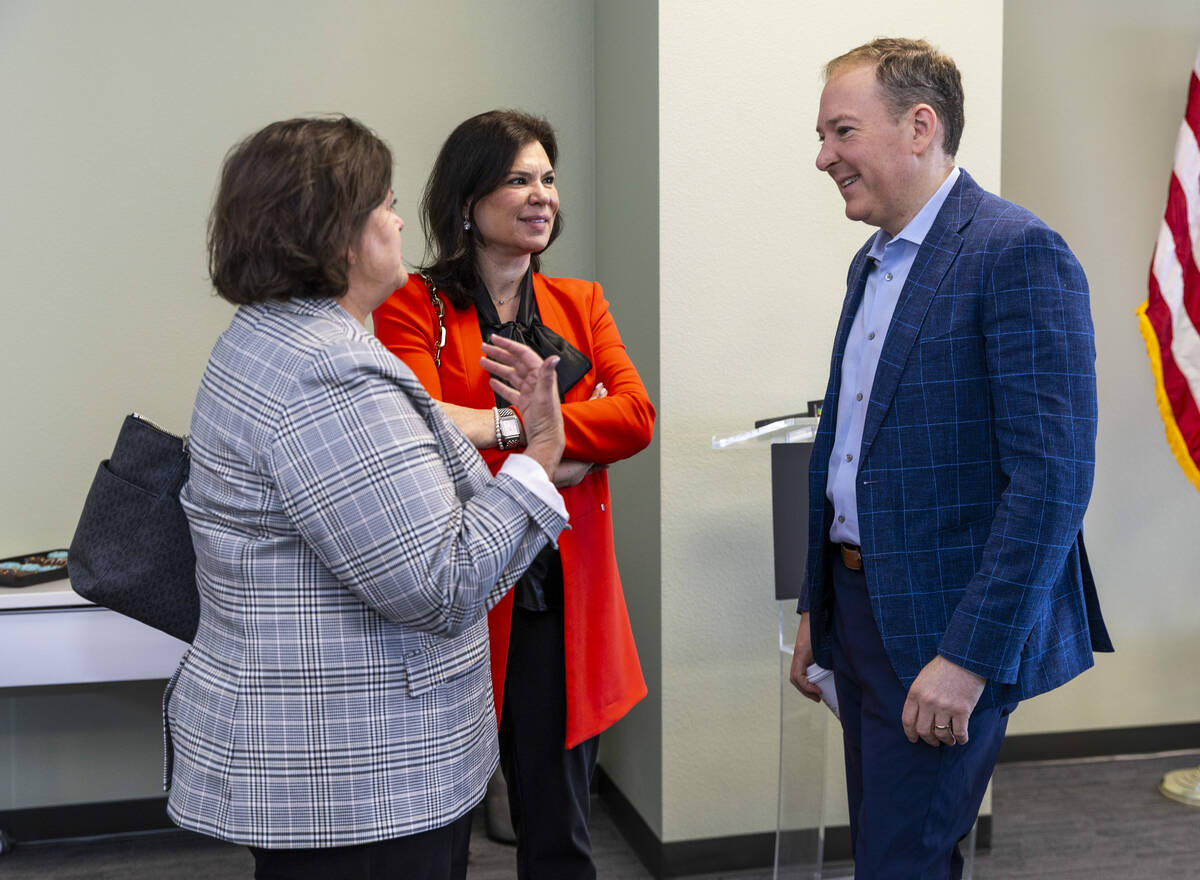
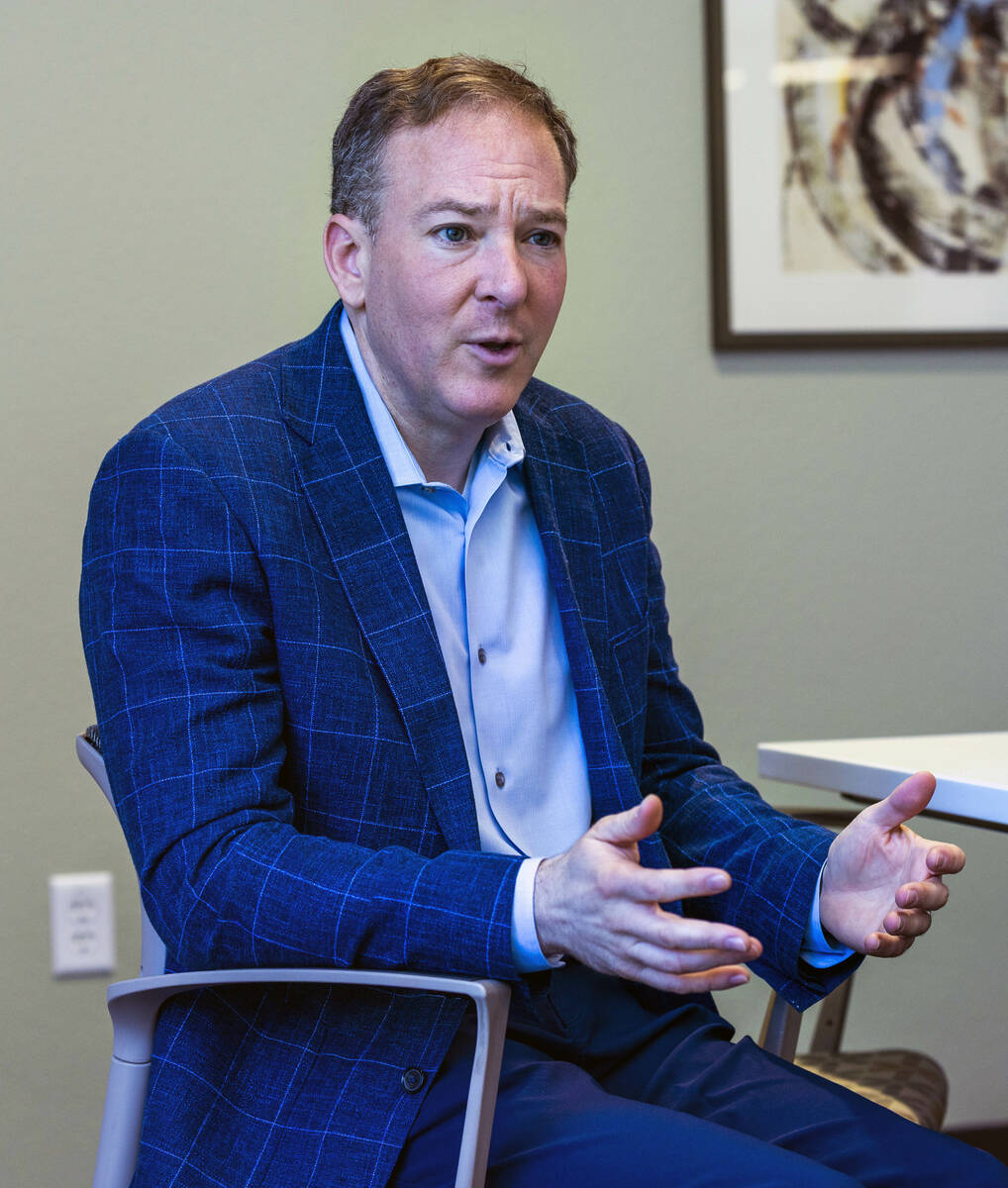





The head of the Environmental Protection Agency spoke to business owners in Las Vegas Saturday, after catching a real-world glimpse into what’s possible when the country reconciles with polluters of the past and mitigates the effects of extraction in the future.
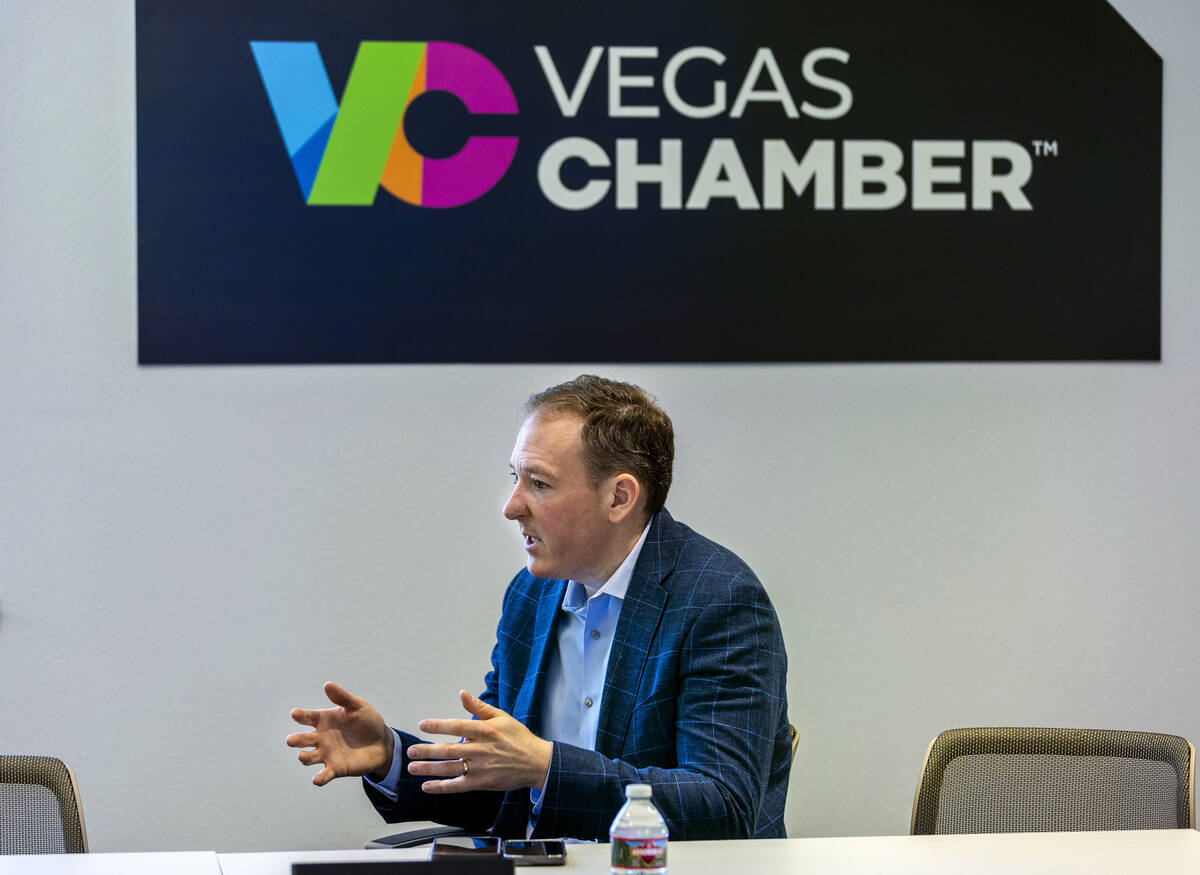
Administrator Lee Zeldin, a Republican who represented eastern Long Island, New York, in Congress from 2015 to 2023, hosted the roundtable discussion at the Las
Vegas Chamber’s headquarters at the Las Vegas Civic Center amid a visit to Southern Nevada last week. Insiders have suggested Zeldin could be President Donald Trump’s next pick for attorney general.
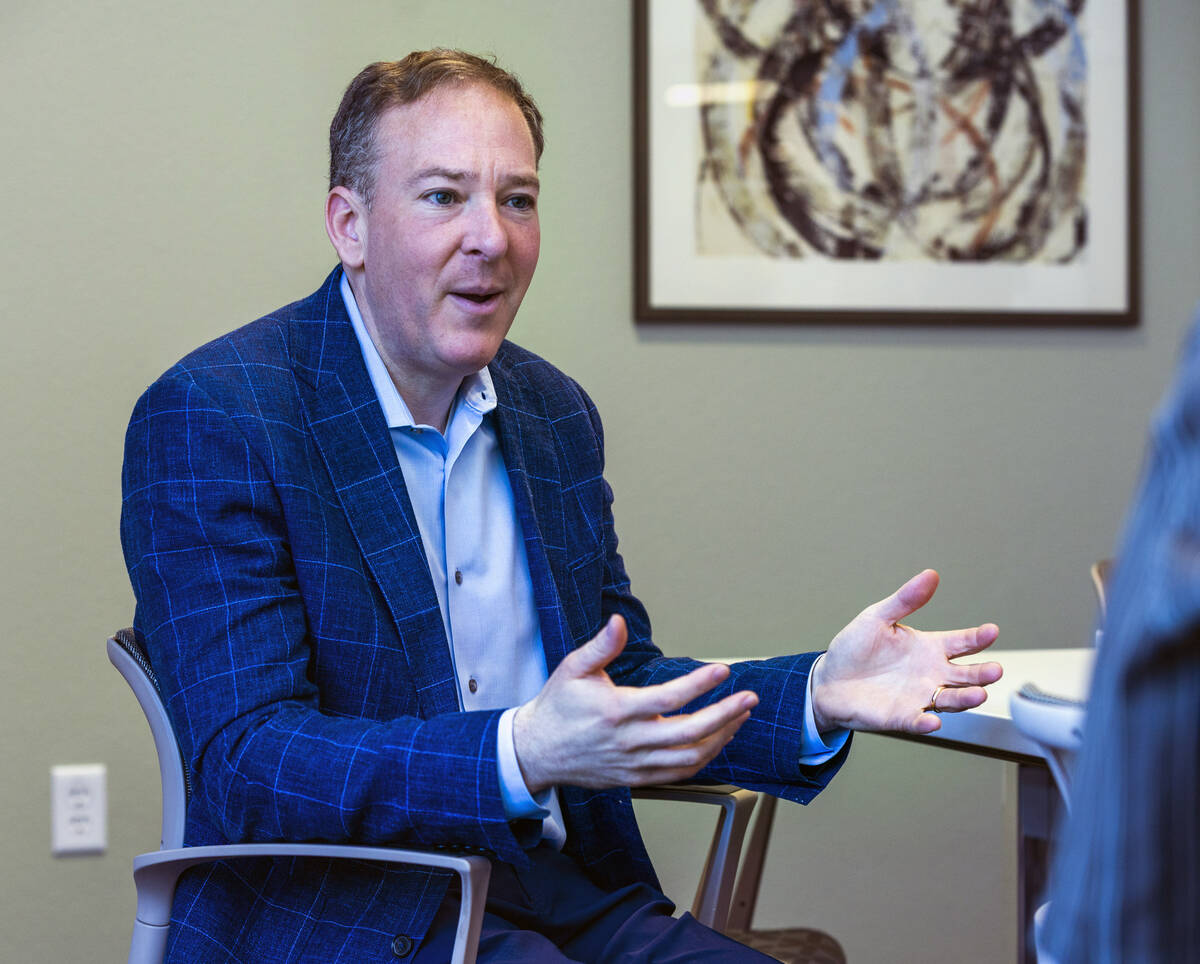
He heard from a wide range of local leaders, representing a wide array of groups such as the Internet service provider Cox, the Southern Nevada Water Authority and the Las Vegas Raiders. Standardizing enforcement practices across the nation was one note Zeldin took seriously, he said.
“In many respects, questions that were raised and comments that were shared are immediately coming back to Washington, D.C., to allow us to be as responsive as possible,” Zeldin said in an interview.
On Friday, Zeldin toured both a Switch AI data center and Las Vegas’ Symphony Park — the site of one the valley’s most up-and-coming neighborhoods, once a polluted railyard that required the removal of contaminated soils off-site.
President Donald Trump and Treasury Secretary Scott Bessent also visited Symphony Park Thursday during Trump’s Las Vegas visit last week to tout increased tax returns from policies that reduce how much overtime and tipped wages are taxed.
Nevada has quickly become one of the epicenters of the race to build data centers to accommodate AI, with the Tahoe-Reno Industrial Center in Northern Nevada frequently named as one of the top markets. Southern Nevada could be leading the way, however, in terms of water-use regulation.
Water a top priority for administration
One way Las Vegas, a city with existential water shortage problems as Lake Mead steadily declines, has responded to the data center boom is a ban on evaporative cooling for commercial properties. The final commercial building permit with such a system was issued in 2024.
That ban applies new data centers that guzzle up millions of gallons of water per year — unless they can adapt and commit to closed-loop water cooling that doesn’t let water evaporate or an exclusively air-cooling system.
In an interim hearing of the Legislature last month, lawmakers said that Southern Nevada’s ban could be a model for a statewide policy to eliminate evaporative cooling for data centers. During that hearing, an industry representative said most companies have progressed past water-intensive cooling systems, anyway.
While Zeldin declined to weigh in on the Trump administration’s view of the region’s policy, he pointed to his agency’s update to the newly updated national Water Reuse Action Plan, which calls for more states to support the use of recycled water in data center cooling systems.
“So much of American industry relies on water,” Zeldin said. “It’s very important that an industry isn’t just taking water, using it one or two times through and then needing to tap right back into a local supply when we’ve advanced so far in technology and innovation.”
^
Striking balance with data centers
What matters most to tech developers now, though, is energy. To serve all of its pending requests for data centers, Las Vegas and Reno’s utility, NV Energy, is being asked to quadruple its peak energy capacity, according to an analysis from the nonprofit Western Resource Advocates.
It’s even more of an ask for rural utilities that have much smaller capacities. Ratepayers across Nevada have raised concerns about the costs of building out the grid being passed on to them, which could happen without legislative intervention.
Zeldin said it’s critical for data center developers to work with the communities they want to situate themselves in.
One success story he praised was Google’s decision to power its own data center in West Memphis, Arkansas, with a solar farm and battery storage that the local utility says will reduce everyday ratepayer costs.
“It’s very easy to structure a data center deal the wrong way,” Zeldin said. “It’s also extraordinarily possible, and it is, in fact, happening, where these data center deals are being structured in a way that are providing net benefits.”
Contact Alan Halaly at ahalaly@reviewjournal.com. Follow @AlanHalaly on X.