‘A true emergency’: Nevada agency asks court to toss ‘useless grass’ case





A judge has largely ignored the Southern Nevada Water Authority’s requests to throw out a case challenging its ban on using water from Lake Mead to irrigate so-called “nonfunctional turf” or “useless grass.”
Now, the agency’s lawyers are asking the Nevada Supreme Court to intervene.
“This is a true emergency,” lawyers wrote in a brief filed last week. “SNWA is being wrongfully restrained from complying with a directive from the Nevada Legislature.”
The case surrounds the water authority’s enforcement of a 2021 state law that created the irrigation ban, which will go into effect at the beginning of next year. The agency convened a committee that established the definitions of nonfunctional turf, and its staff has since identified homeowners’ associations and businesses that must remove plots of grass or face consequences.
The need to preserve Lake Mead levels is more dire than ever, the lawyers say, as the Colorado River Basin stares down its worst snowpack and runoff season in decades. Nevada officials are worried the Interior Department could try to more than halve its tiny share of the river should conditions worsen.
But the lawsuit, filed on behalf of three homeowners in different parts of the Las Vegas Valley, claims that the agency’s enforcement of its decorative grass ban has been heavy-handed and yielded unfair outcomes.
In the first legal complaint, a Las Vegas arborist claimed the removal of so much grass has resulted in the death of some 100,000 mature trees, which is something the water authority challenged with a competing expert declaration.
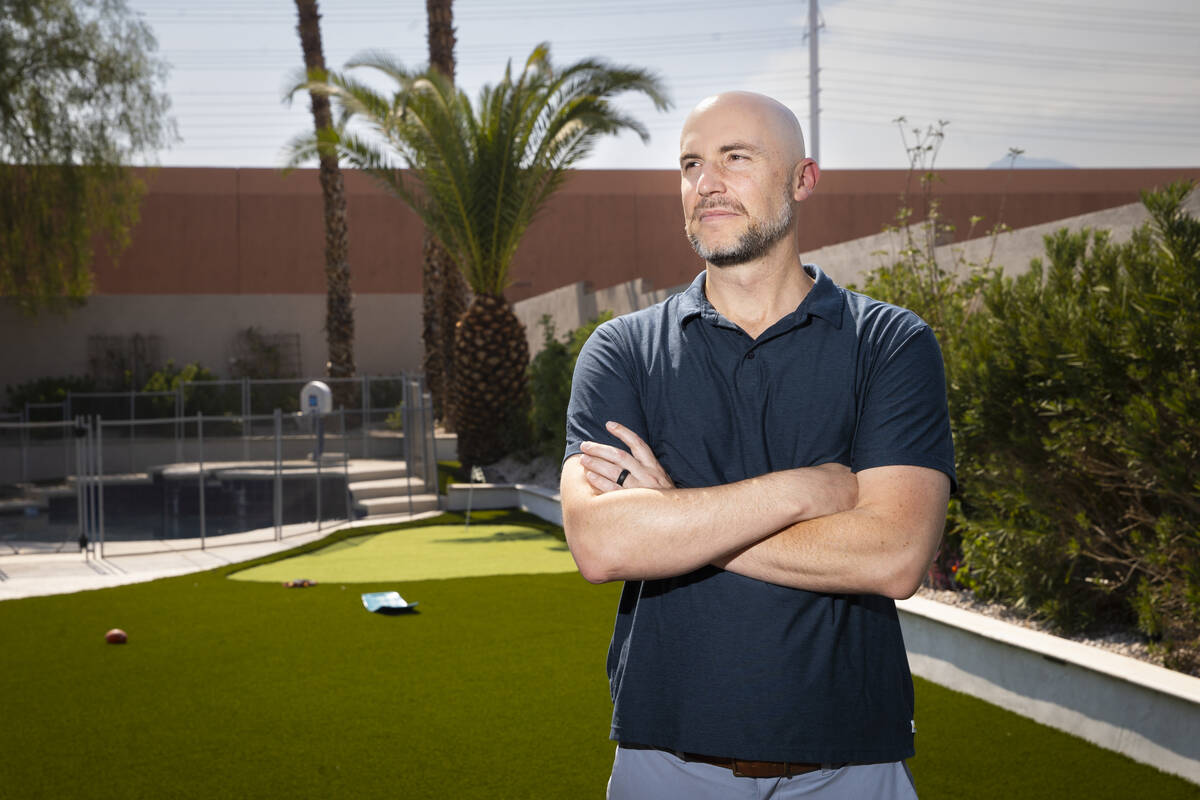
“This is just another attempt to waste time,” said Sam Castor, a Las Vegas attorney who has been leading the legal challenge against the agency, in a Tuesday interview. “I think the SNWA is getting desperate because they know that they’re wrong.”
Justices may order dismissal
The Tuesday filing asks the state’s highest court to dissolve the existing order, not allow Castor to add new plaintiffs to the case and dismiss the existing plaintiff’s claims. If granted in full, Castor would need to refile the case with different plaintiffs.
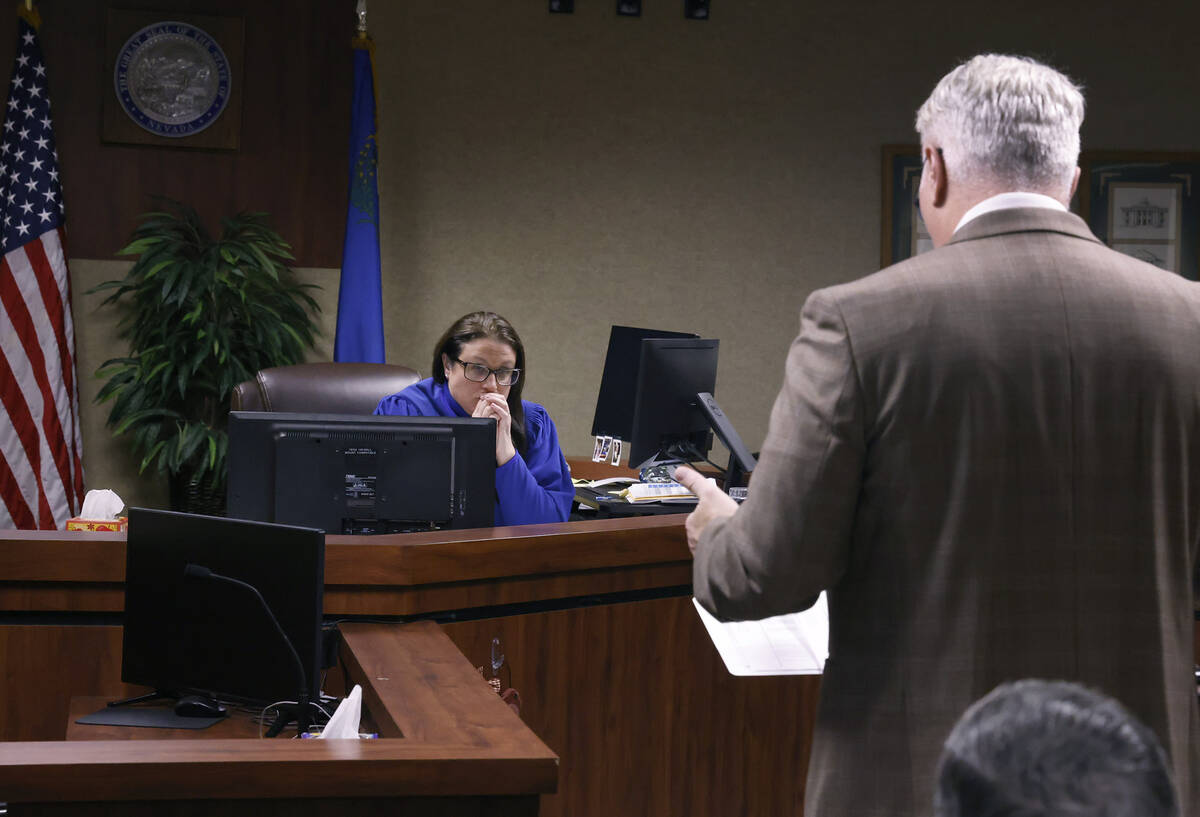
Initial allegations in a legal complaint resulted in Judge Anna Albertson’s initial restraining order that suspended enforcement throughout the Las Vegas Valley.
“This case has already spawned one universal injunction gutting the River Conservation Act,” the water authority’s lawyers wrote in the new filing. “Intervention by this Court is warranted to prevent further misadventures.”
The order has since been narrowed to only apply to properties owned by the three plaintiffs — two of which the water authority says have already removed their grass with the help of a rebate and another who has not been asked to remove the grass in question.
Castor says the two who removed their grass were coerced by the water authority’s bad-faith statements, and the plaintiff who discussed a community park’s proposed grass removal had his rights violated as a member of his homeowners’ association.
The more restricted order nullified the larger questions of whether the water authority has authority to enforce the ban, but adding in homeowners’ associations or businesses could see the lawsuit wade into more wide-reaching issues.
More plaintiffs on the way
Castor, of the law firm Lex Tecnica, has said that attorneys are gathering more plaintiffs to add to the lawsuit. Albertson previously denied Castor’s request to allow new parties remain anonymous, which he said was necessary to prevent the water authority from doxing them.
While Castor contends the water authority’s filing misrepresents the facts of the case and that the new filing will likely be denied, he said his firm is committed to refiling the lawsuit in District Court should the current one be closed.
To date, Castor said the case will soon concern thousands of people who have agreed to join the lawsuit either as individuals or through entire homeowners’ associations.
The Nevada Supreme Court may accept a response from Castor, but justices will not hold a hearing. The timeline for a decision is not immediately clear.
According to the District Court website, Albertson is scheduled to hold a hearing on whether to dismiss the case on May 21.
Contact Alan Halaly at ahalaly@reviewjournal.com. Follow @AlanHalaly on X.