Strong winds damage tender leaves
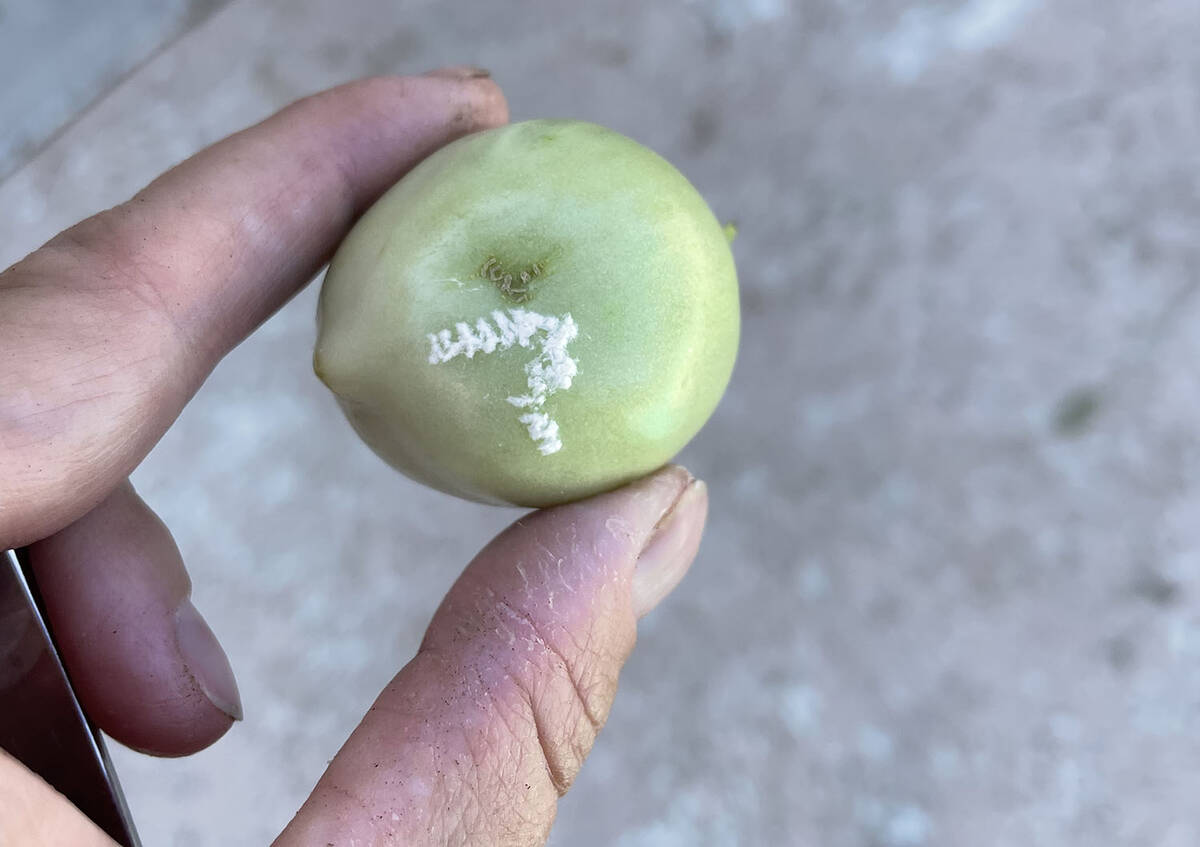
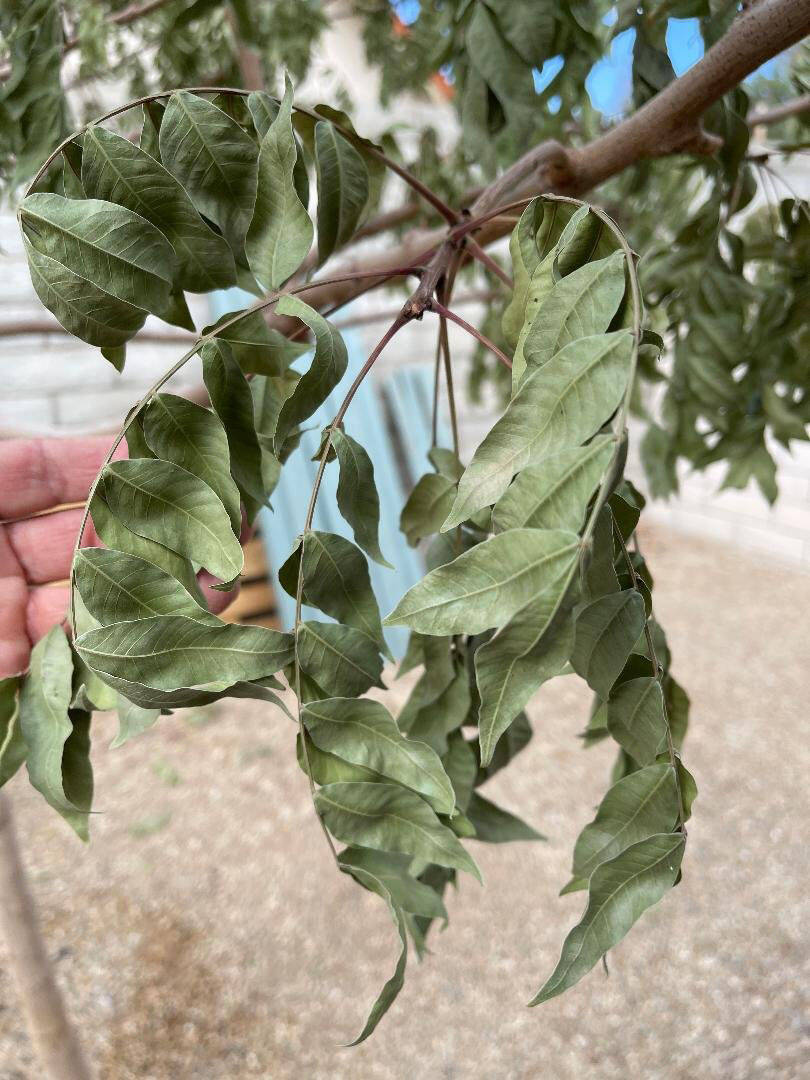





Q. I have two Red Push Chinese pistache trees planted about three years ago and doing well. Recently one was shocked and I’m not sure what happened. This occurred almost overnight. I gave it a few extra gallons of water and added two drippers to each plant. I don’t use any Roundup or anything like that. Can it be saved?
A. It will take a while, but the tree should be fine. The tree will use its stored energy to put on new leaves and replace the dead ones. In the future it’s important to note the weather occurring during that time because we did have some strong winds a few times this summer. Strong winds are particularly damaging in the spring when leaves are new and tender.
Strong winds equals increased water lost by plants. Sudden death of leaves right after strong winds signals a need for water. But that water application is usually just once. However, frequent watering coupled with poor drainage might also cause this problem. My guess is that leaf death was coupled with the wind. So be careful with applying water to landscapes. It can be the giver of life in the desert, but it also can be the giver of death.
A 3-year-old tree like Red Push has stored “food” in its branches that it relies on when pushing new leaves. It takes a bit longer for the tree to respond during the spring and early summer months because it has used up all its spring buds putting on new growth. It’s like a double whammy. Tree response to leaf death occurring in late summer and fall is much more rapid since the buds are already formed.
Remember that any of the Chinese pistache trees are mesic in their water use; they can tolerate desert soils but need a little bit of irrigation help. They grow best when surrounded by other plants that require water. As with most mesic trees, they can tolerate lawns when there is decent drainage.
Q. I live in the central Las Vegas Valley and noticed a creep of linear white deposits on the stems of plants in my raised vegetable garden that has recurred in some desert-adapted plants elsewhere in the yard. It first appeared on sunflower stems, then lacinato kale, some basil, tomatoes and their stems, and now on new growth from a Vitex tree and turpentine bush. It seems to be spreading, in other words. Can you advise what this is, and any way to remedy it?
A. Those white deposits are probably tiny cocoons of tiny insects in the landscape. I reported these on my blog in previous years, calling them “white fuzzies.” I didn’t know what they exactly were either, but I knew that they were insect related.
A horticulturist in the Phoenix area guessed that they were sharpshooter (insect) pupae, and he may be right. In any regard, these insect pupae were just passing through the landscape where they were incidental and probably not damaging these plants.
Generally speaking, when we see white deposits on many different kinds of plants it’s usually not disease-related but may be related to insects. If guessed that these white deposits are insect related, then look at the plant and note any damage you might see. If there is no damage, then these insects are incidental to your plants.
If you see insect damage to the plants, then they might not be incidental and it’s best to use your favorite least toxic insect spray and see if that stops the problem. Soap and water is usually a good first spray and readily available. You can always try something more toxic as your second spray if that doesn’t stop the damage.
Q. I need to prevent rabbits from eating plants and flowers in my yard. My homeowners association doesn’t allow mesh screening and the commercial preventatives I’ve tried don’t work. I want to plant flowering plants in the ground rather than in very tall containers (tall required as rabbits nibble on anything hanging). Any suggestions appreciated for area that gets sun most of the day.
A. If your HOA doesn’t approve of chicken wire, then you can try planting rabbit-resistant flowers and plants. A list of rabbit-resistant desert plants can be found at https://cals.arizona.edu/maricopa/garden/html/t-tips/animals/rabbit1.htm. However, if rabbits get hungry enough, they will go after so-called rabbit-resistant plants as well, but these plants are less desirable. If you have any luck, they’ll go after your neighbors’ more desirable plants instead of yours. Your other option is to welcome coyotes into your neighborhood because they love a bunny dinner.
Q. I’ve decided that I wanted to incorporate microclover into my lawn to help fill in areas and eventually take the brunt of my lawn, if it works out. I was trying to find info on your blog spot but for the life of me could not find the search bar in my phone. Do you have any tips or information on how to go about getting it going and staying alive?
A. I am assuming your lawn is tall fescue or similar cool season grass and not one of the Bermudagrasses. If you used one of the warm season types such as Bermudagrass, then most of the stuff I’m telling you would change.
Most people apply a weed killer to their lawns to get rid of clover rather than encourage it. It just depends on what you want, but growing clover in your lawn decreases its overall visual quality. After knowing that, if that doesn’t bother you, then I have no problem giving you direction.
Some people believe that the overall quality of a lawn increases because of the release of nitrogen by the clover but that’s wrong. Research has shown us that clover, to look its best, requires more nitrogen than it releases. The small amount that it releases is not enough to feed the entire lawn.
Lawns in general require a high amount of nitrogen to look its best. Four to six applications of a high-nitrogen fertilizer is needed, from early spring through early winter, to produce a high quality lawn. Fertilizers that best support lawn growth are in 3-1-2 or 4-1-2 ratios. Examples of these ratios would be a 21-7-14 or 20-5-10 fertilizer with a high amount of nitrogen (first number) and lower phosphorus (second number).
Growing clover requires a fertilizer high in phosphorus with lower amounts of nitrogen. Examples of clover fertilizer ratios are 1-2-1 or 1-3-1. Examples of these types of fertilizers are 5-10-5 or 5-15-5.
In short, if you move ahead with this project expect the clover to decrease the overall visual quality of your lawn. Keep your mowing height of your lawn (if tall fescue) between 2 and 3 inches. When fertilizing, strike a happy balance between the clover’s need for a high phosphorus fertilizer and the lawn’s need for a high nitrogen fertilizer.
Q. First the wind destroyed my columnar apple tree leaves. The columnar apple tree was in pot with a stick stake to support it. Now my Bing cherry leaves are wilting. I am so upset. The wind is so strong. I put chair in front of the cherry to keep it from blowing over. I mist it. I am hoping in fall it’ll come back.
A. The plants will come back with less windy weather. Wind is very destructive to fruit trees and vegetables. This is one reason the best food production occurs close to and downwind of a windbreak.
The magic number to remember is five. Take the height of a windbreak and multiply it times five. This is the distance affected when the height of a windbreak is known. If the windbreak is 10 feet tall, then it’s best to plant within 50 feet downwind.
When we think about windbreaks, we imagine trees and shrubs clustered together in a straight line. Those are the wrong thoughts when we live in the desert. In a desert, first think nonwater use windbreaks. Is there something that can be used in place of a line of plants to decrease the wind speed? In a desert environment those are more appropriate thoughts.
Notice that I used the words decrease the wind speed rather than prevent, deflect or stop it. That’s an important distinction when talking about windbreaks. In windbreaks, the wind should be slowed down rather than prevented. They should have a porosity of about 20 percent; only about 80 percent solid with about 20 percent of it open to air passing through it. Think of a chain-link fence with PVC slats or a wind fabric.
In agricultural areas, wind can dominate from a certain direction. In these areas a windbreak might be in a straight line. In urban areas the wind comes from several directions because of deflection by buildings and walls. It’s important to determine the prevailing wind direction(s) for your food production when establishing a windbreak.
Bob Morris is a horticulture expert and professor emeritus of the University of Nevada, Las Vegas. Visit his blog at xtremehorticulture.blogspot.com. Send questions to Extremehort@aol.com.