Sharing knowledge part of identity

Did you ever wonder who you are and what your life is about?
I remember when this hit me hard: Oct. 27, 1985, two days after I got married, I became a wife and the mother of a 3-year-old and a 9-year-old. Whatever I was, altered without warning. I had to learn to roll with the punches, no wavering. It was meals, shopping, doctor, dentist and ophthalmologist appointments, homework, school visits, haircuts, paying the bills and not much time to think about who I was. It was no picnic, let me tell you, but I’m here writing about it.
Twenty-five years ago, the Rose Ann I was turned into a baker, cook and waitress. I learned about Boulder City and its residents, memorized hundreds of names and added reporter to my repertoire, along with Boulder City Hospital Foundation director and finally public information officer for the city.
I retired Dec. 1, 2010, and four days later, announced a run for City Council. It wasn’t until April 2011, after my unsuccessful venture, that who I was or wasn’t hit me hard again. Who am I? What am I doing with my life?
My husband had been ill for some time and needed me, yet I needed to know who I was after retirement. It was a balancing act and a half. I went through the motions, not feeling much of anything except having each day slapping me in the face.
When my husband, Mickey, died in January 2017, it was time for another part of me to emerge, continue some past activities, discover new ones and see how I could influence Boulder City and beyond.
The year 2017 is pretty much a blur to me, but I lost weight, kept writing, devoted time to politics and began sharing meals with our neighbors without homes. Because of the cooking and sharing, I began writing about my experiences for Real Progressives, a nonprofit dedicated to education, policy, activism and media.
It was then economics hit me. I never thought much about that academic discipline, but I knew money made everything happen, or not. I knew the establishment — the politicians, those in power — weren’t there for the masses. They proved it daily. The vast majority were in power because they played by the cruel, greedy rules of money, and they would do whatever it took to stay in their established positions.
I knew this as an 8-year-old. No one explained it to me. I knew it. I felt it. They were there for themselves but convinced people they were serving them and their families. And people bought the lies and received their crumbs.
Folks have been and continue to be conned by politicians and economists alike. It happens to the best of us, but we can, if we care, open our minds and, I would add, hearts to know how the economic system functions.
For starters, I would recommend two recently published books: “The Deficit Myth: Modern Monetary Theory and the Birth of the People’s Economy” by Stephanie Kelton and “The Case for a Job Guarantee” by Pavlina R. Tcherneva. Both women explain economics through the framework of modern monetary theory.
Kelton eloquently discusses the deficit and explains that the federal government’s red ink, the deficit, is our black ink, society’s surplus. She dispels the commonly held myth that the federal government’s budget is like our budget and much more about taxes, inflation and ways for the government to spend responsibly.
Tcherneva questions why we live with unemployment. Yup, “experts” say it is necessary, but the country can exist with jobs for all able and willing to work and with a living wage and benefits. The job guarantee is possible, can be funded by Congress, is affordable and can be implemented by the proposal set forward by Tcherneva if there is the desire to have social justice and a fairer economy.
Today, I know who I am and enthusiastically spend each day sharing with individuals and groups the economic resources based on the modern monetary theory framework. I’ve always wanted a just society and a caring economy for all. The learning is in front of all who care to learn.
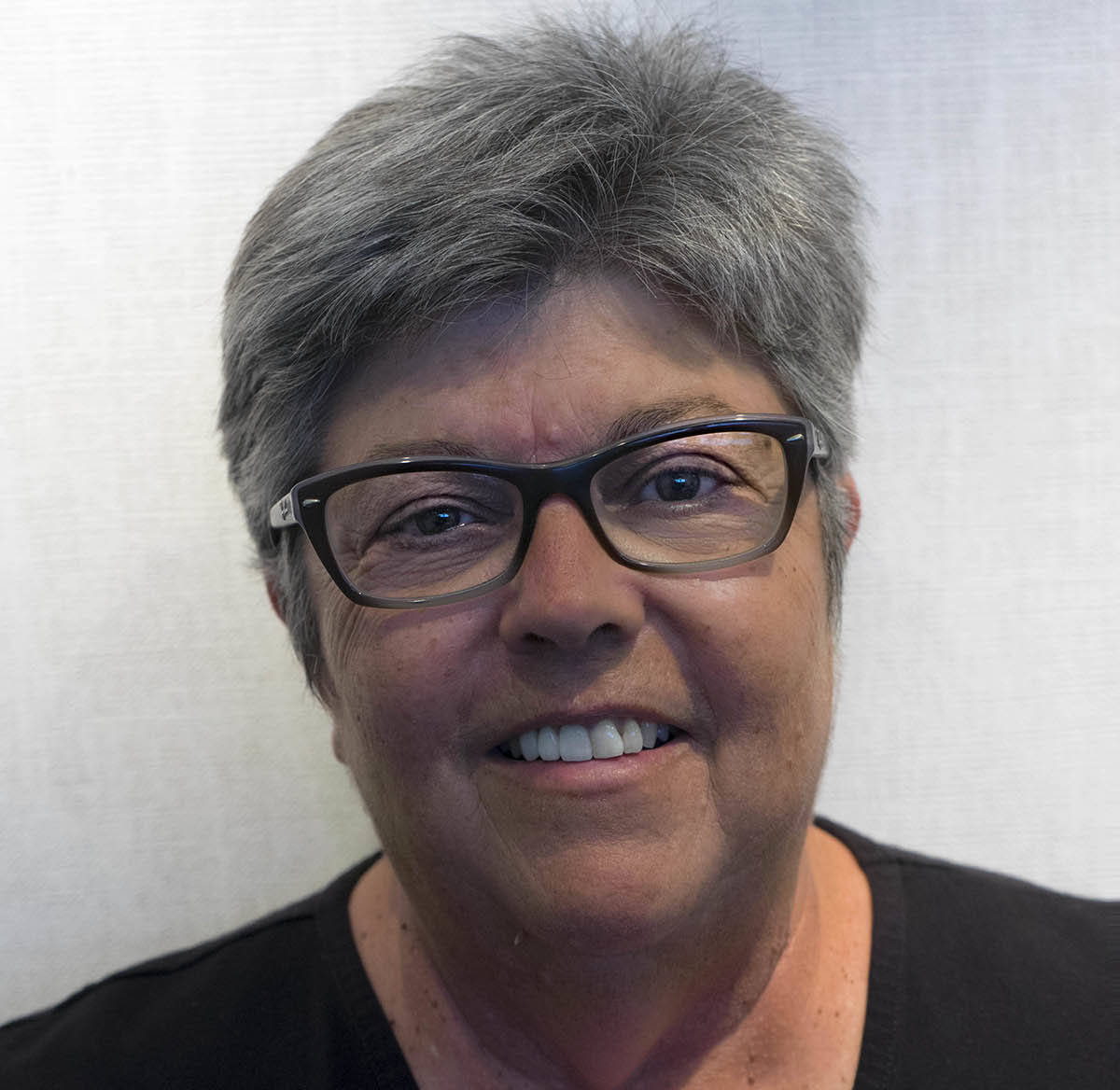
Rose Ann Miele is a journalist and was public information officer for Boulder City for nine years. She is the national outreach director for Real Progressives. She can be reached at roseannrab@hotmail.com or at 702-339-9082.