Herd immunity will decrease spread of virus



Boulder City is a very unique community — historic, close-knit and family friendly. Boulder City is also home to herds of desert bighorn sheep.
For the past year, scientists, medical professionals and, yes, politicians, have discussed herd immunity to decrease the spread of the coronavirus disease that causes COVID-19. Because there was no existing vaccine to ward off the disease, the virus quickly spread.
Now, with nearly 50 percent of the U.S. population immunized with the COVID-19 vaccine, the spread of the virus is diminishing. But there is still much to accomplish in order to effectively stop the spread of the COVID-19 virus and limit the risk of an increase in new cases brought on by different strains.
Herd immunity
Successfully vaccinating a significant percentage of people — between 70 percent and 94 percent of the population — will create what is known as herd immunity. According to Johns Hopkins Bloomberg School of Public Health, if 80 percent of a population is immune to a virus, four out of every five people who encounter someone with the disease won’t get sick and won’t spread the disease any further.
Vaccines have helped establish herd immunity in the U.S. before with infectious diseases such as measles, mumps, polio and chickenpox. When outbreaks of vaccine-preventable diseases do occur, it’s most often traceable to communities with low vaccine rates among its population, hence no herd immunity or protection.
Herd immunity matters because as the greater Las Vegas Valley begins to reopen for business, vaccinated people will come in contact with people who are not vaccinated, those who may be asymptomatic but contagious and children, the latter of which are most concerning.
Vaccinating against COVID-19 protects against the severity of the disease, helps limit the spread of the virus and, coupled with other safety measures such as masking, hand washing and social distancing, can lead to a lower transmission risk and provide the best approach to diminish the spread of the pandemic.
Getting to herd immunity won’t be easy: Boulder City has had 1,063 cases of COVID-19 and only 43 percent of the community has initiated the vaccine process with just about one-third of the population in the 89005 ZIP code having completed the two-dose COVID-19 vaccine.
Be like the bighorn. Join the herd and vax up.
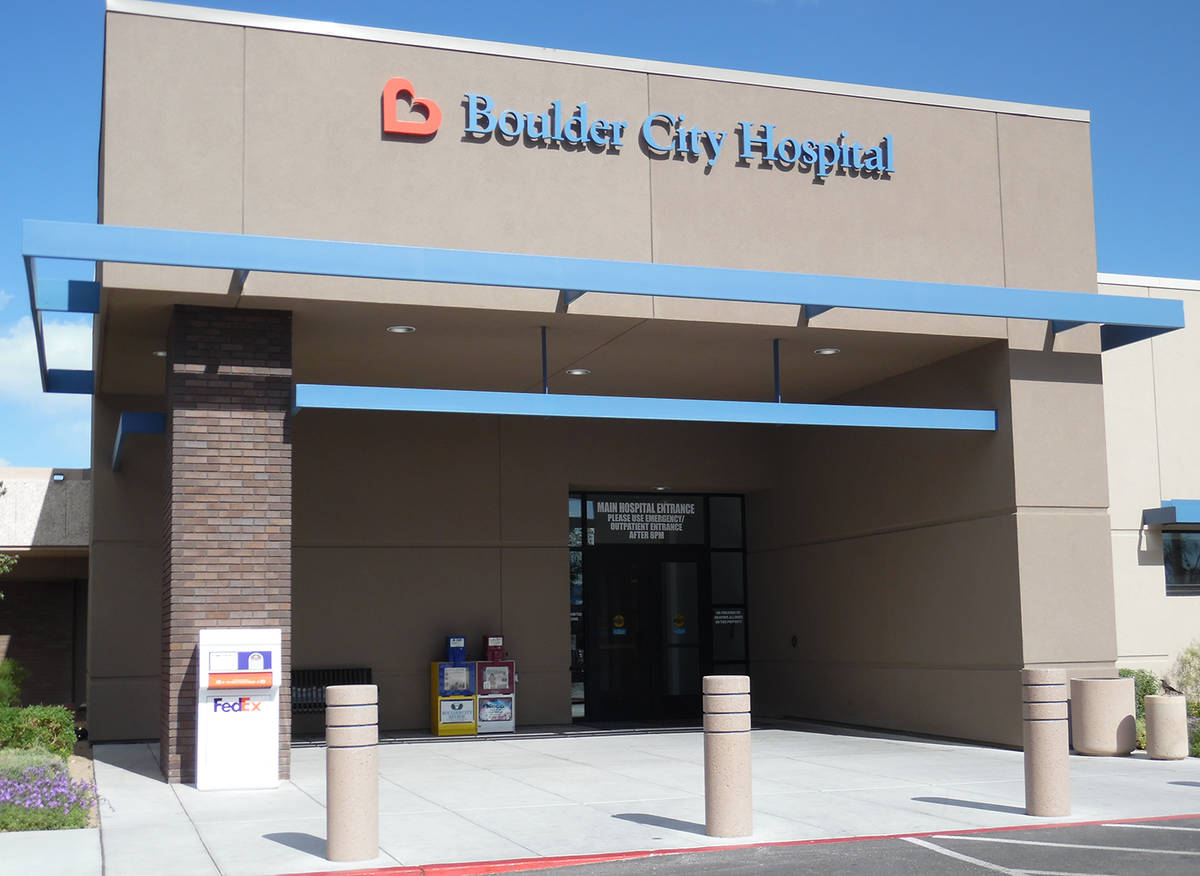
To Your Health is provided by the staff of Boulder City Hospital. For more information, call 702-293-4111, ext. 576, or visit bchcares.org.