Plan for pandemic-caused grocery shortages





Maybe your grocery store shelves are fully stocked and you have access to fresh fruit and produce in your area, but if you live in or around Boulder City, the stark reality is that grocery shoppers in the area are feeling the ongoing effects of the coronavirus pandemic. Gone are the vast quantities of brand choices on the shelves, and access to fresh produce and fruit is severely limited.
The culprits are few but pack a lethal punch for growers, distributors and consumers: high fuel costs, triple prepandemic trucking rates, labor shortages and the high demand for groceries.
According to Shay Myers, CEO of Owyhee Produce, a grower of onions, watermelons and asparagus in the Northwest, transportation disruptions in the past three weeks have doubled freight costs for fruits and vegetables on top of the already increased pandemic prices. Prior to the pandemic, Shay’s company shipped from one coast of the U.S. to the other for “about $7,000 and today it’s somewhere between $18,000 and $22,000. We’ve stopped shipping onions because it’s cost-prohibitive.”
And CEOs from Conagra’s Birds Eye frozen vegetable brand as well as Albertsons have stated supply chain challenges are expected to continue for another six to eight weeks.
Take a look at how omicron is affecting grocery stores.
■ 120,000 workers out sick in the consumer-packaged goods industry.
■ 50 percent of grocery store workers are out sick.
■ 15 percent out of stock levels on food products.
■ 12 percent out of stock levels on food, beverages, household cleaning and personal hygiene products.
And, according to the U.S. Bureau of Labor Statistics, the Consumer Price Index increased 5 percent in December after rising 8 percent in November capping 2021 with a 7 percent CPI.
With the current and projected food supply chain issues, building a 30-, 60- or 90-day food security plan is a sensible route to ensure you have the necessary staples and nutrients to prepare meals without fresh ingredients, have the necessary goods on hand to get through a food shortage and stay healthy.
Here’s what you can to do create your food security plan.
■ Identify potential risks in your area.
■ Inventory your pantry and food storage.
■ Prepare an extended meal plan and factor in seasonings, herbs and spices, oil and condiments.
■ Develop a food storage plan and think long shelf life.
■ Include water and water filtration products in your storage plan.
■ Set a budget and stick to it.
Staples you should include in your pantry and food storage include flour, sugar, rice, oats, pasta, beans (dried and canned varieties), vegetable oil, olive oil, nonperishable, shelf-stable and/or powdered milk, salt, baking powder, baking soda, spices, herbs, canned goods (soup, vegetables, fruit, protein, juice), dried fruit, peanut butter and nuts.
It’s also important that you don’t forget to plan for your pets, too.
Keep an eye on a larger transformation happening in the grocery-verse; consumers are shopping for groceries online and big box retailers are running to market with more incentives and quicker delivery times, especially with the addition of third-party delivery services.
Walmart recently announced the expansion of its InHome delivery service from 6 million to 30 million U.S. households from Los Angeles to Chicago by the end of 2022. And don’t overlook your local Dollar Tree with its free ship-to-store advantage.
The goal is for everyone in your household to stay nourished and healthy. Even if you start your food storage plan on a smaller scale, you’ll know you’ve got back-up if or when your favorite products or staples might not be available in your area.
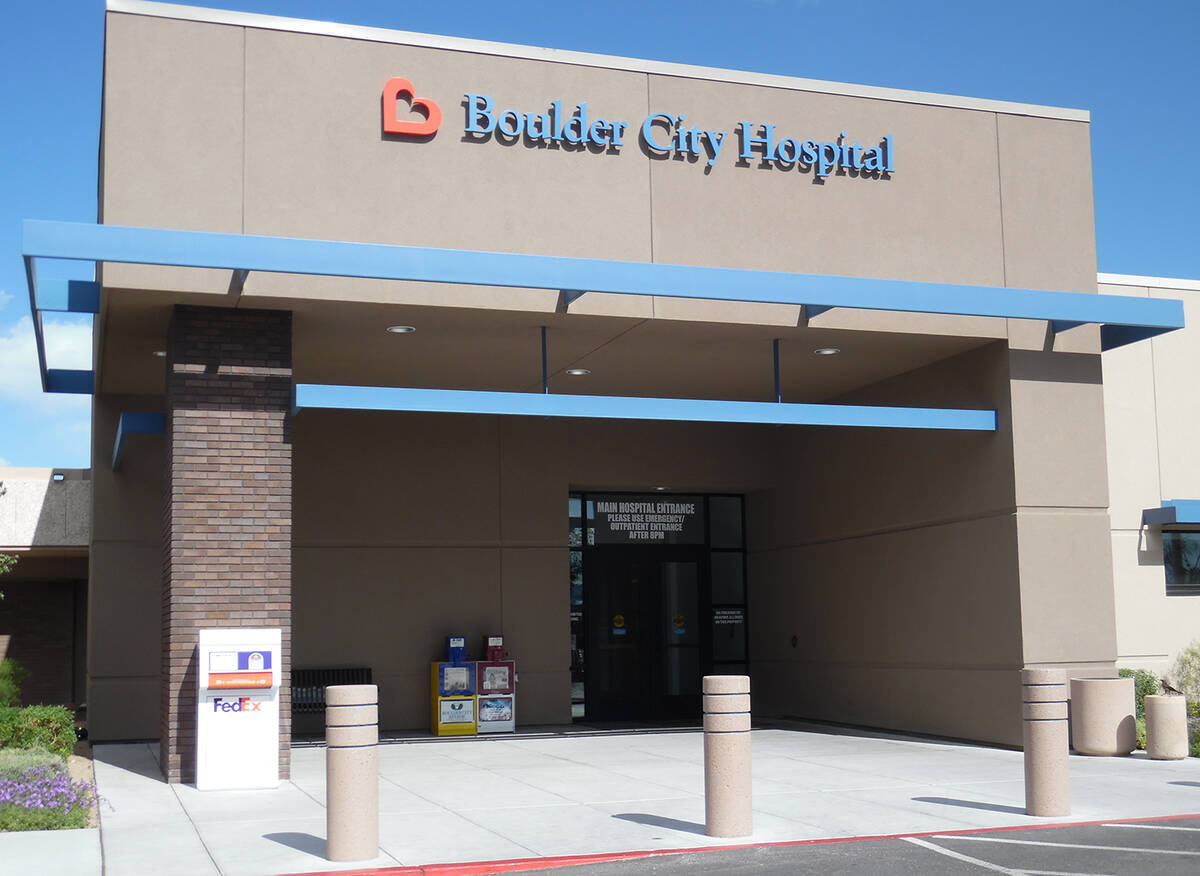
To Your Health is provided by the staff of Boulder City Hospital. For more information, call 702-293-4111, ext. 576, or visit bchcares.org.