Terrorists killed more than people


Sept. 11 changed us. And not necessarily for the better.
While it has become necessary to be more aware of our surroundings in wake of the terrorist attacks 20 years ago, we also tend to look for problems where there are none.
As a people, we have become more suspicious, especially of those who look or sound differently than we do. I see it regularly in the city’s police blotter. Someone calls the department to report there is an unknown person, wearing a hooded sweatshirt, walking or driving slowly through the area. Or they see someone approaching the neighbor’s house that they do not know. Or they hear a strange, loud popping noise and assume it’s gunfire or explosives.
Granted, some of this attention is warranted — and very much appreciated — but most times there is a simple explanation about why someone “strange” is in a particular neighborhood.
And how do we go about defining what is strange or suspicious?
I grew up in a fairly homogeneous neighborhood. Most of my friends looked and spoke like me. Many also had the same religious background so our customs and habits were similar.
But I also had friends of different races and cultures, and we happily shared them with each other.
When I was in junior high and high school, many of my friends were Japanese. I would dine on traditional Japanese dishes at their house and accompany them to festivals and events at their cultural centers.
In return, they would enjoy traditional dishes from my family heritage and join in on festivities for the holidays.
Even today, despite all the changes, I continue to share bits and pieces of my heritage with friends and co-workers.
Many of my classmates in high school were Black. They were transported by the school district from the inner city areas to the suburbs to help desegregate classes, decades after the U.S. Supreme Court outlawed segregation. We had common interests, joined the same clubs and worked on activities together. We became friends.
It taught me to judge people by their personalities and not by their appearances.
And then Sept. 11 happened.
We could no longer go about our daily lives without looking for someone who did not belong. We can no longer travel without going through metal detectors, having our suitcases examined or following strict guidelines for what can be taken on an airplane.
Many buildings, particularly those that house government agencies, cannot be entered without passing security checks.
I realize these precautions are there to protect us, and yet I often wonder who we are protecting ourselves from.
While I still aim to get to know someone before passing any judgment, it’s not as easy as it used to be.
Remember the old adages “Don’t judge a book by its cover” and “Looks can be deceiving.” They are true. In my lifetime I have met those who looked “innocent” but who had ulterior motives and ideals that would make many of us shake in fear.
There is no way to go back to how it was before Sept. 11. The events that day altered the world.
For now, we must remain vigilant so that something similar never happens again, but perhaps we can do it with a little more thoughtfulness before we start raising the red flags.
There was more kindness in the world before that day 20 years ago. We will never forget what happened or those whose lives were lost, but we must also not let our humanity be taken from us.
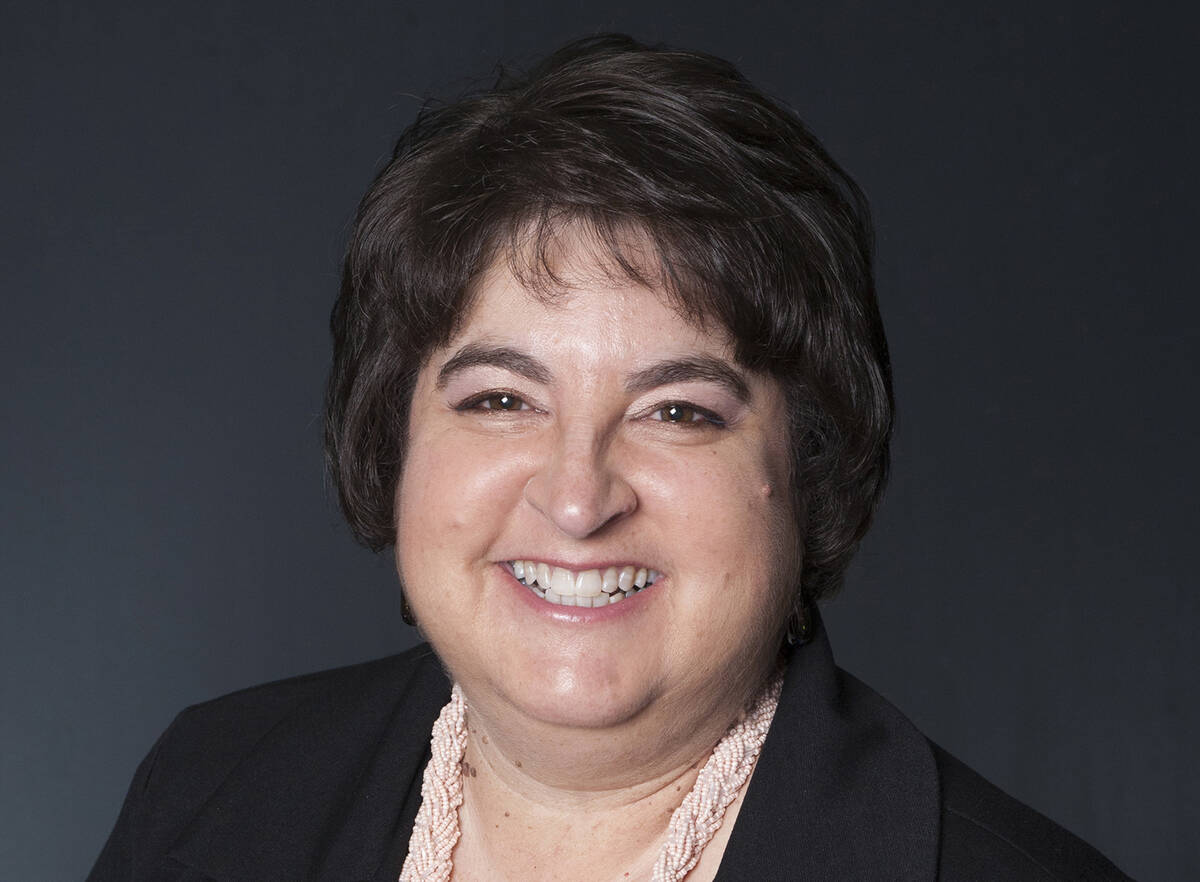
Hali Bernstein Saylor is editor of the Boulder City Review. She can be reached at hsaylor@bouldercityreview.com or at 702-586-9523. Follow @HalisComment on Twitter.