‘Rescue Plan’ benefits city




Boulder City is taking advantage of a rare opportunity to use federal funds to help residents and make improvements throughout the community.
The city received $21.7 million from the federal government through the American Rescue Plan Act to help offset negative impacts from the COVID-19 pandemic.
“The funding is essentially a once-in-a-lifetime opportunity for cities and counties to make a meaningful impact on their communities,” said City Manager Taylour Tedder.
Last week, the city released data on how the funds have been spent and what it plans to do with the rest. It has until 2026 to spend the funds.
To date, more than $3.3 million has been spent and officials are now organizing and prioritizing several city projects that will be paid for through the funding, according to Tedder.
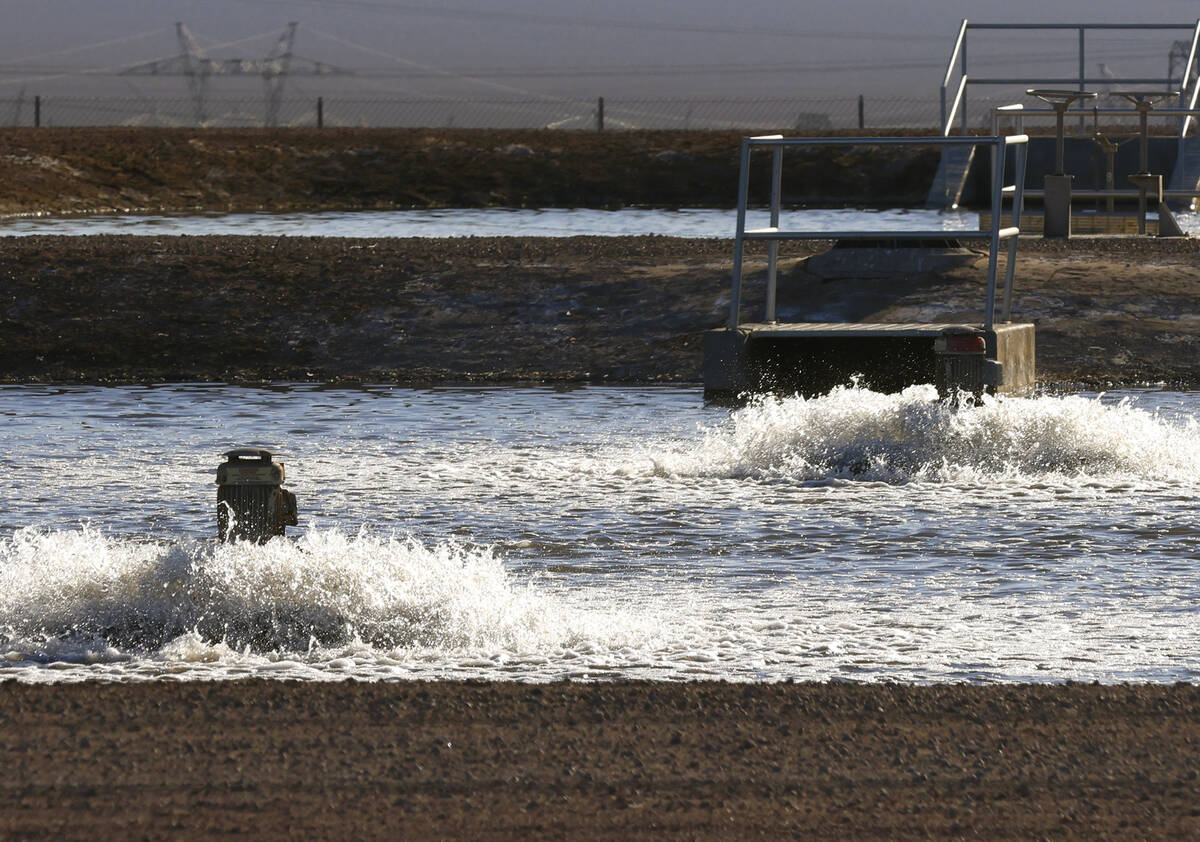
City spending reports show the most money spent so far has been on water projects.
Tedder called water and wastewater projects the most significant works. Accordingly, the two categories have the most and second-most planned funding allocated to them, respectively.
The city classifies 16 projects as “water projects” and 14 as “wastewater projects.”
The water projects include rebuilding and replacing valves and water meters, replacing obsolete fire hydrants, a park sewer rehabilitation and copper service replacements. Two water projects are planned to cost at least $1 million: the copper service replacement is allocated more than $2.6 million and a large meter replacement and backflow installation is planned to cost $1 million.
Wastewater projects include sanitary sewer rehabilitations, lift station improvements, a chlorine contact chamber, a shower installation and a park wet well replacement. Three wastewater projects are planned to cost more than $500,000: ABC Park’s sewer rehab is expected to cost $565,000, improvements to lift station No. 1 is planned to cost $547,000 and the chlorine contact chamber is estimated to cost $534,000.
Also funded by the American Rescue Plan Act were youth sports and pool fees, an electric vehicle pilot program, city clerk municipal code updates, unfunded municipal court mandates, assistance for Emergency Aid of Boulder City and See Spot Run, an AED program at the fire department, and tasers and mobile crowd control equipment for the police department.
The only categories where all the allocated money was fully spent were youth sports and pool fees and police department tasers, according to a news release.
Of the funds received through ARPA, $11.7 million had to be used on the COVID-19 public health emergency and its negative economic impacts, providing grants to agencies that provide essential needs, government services or to make necessary investments in infrastructure. The remaining $10 million can be spent in any way that fits under the streamlined revenue loss provision of the Coronavirus State and Local Fiscal Recovery Funds.
“I believe every project in the ARPA spending plan, restricted or unrestricted, is meaningful to the community. The funds have allowed the city to complete projects we otherwise would not have been able to do, or it accelerated the project timeline,” said Tedder.
He said that if he had to choose one project as less significant than the rest, he’d pick the unused funds allocated for COVID-19 vaccines, test kits and personal protective equipment. The city allocated $64,000 for test kits and vaccines and $20,500 for PPE but only used a total of $14,256. He said the money not used for those projects will be reallocated to meet the city’s current needs.
Contact Mark Credico at mcredico@reviewjournal.com. Follow him on Twitter @MarkCredicoII.