Credit union urges public to be aware of potential scams





Scam artists have come a long way since the 1990s when letters from a Nigerian prince promised the recipient riches if they would pay to help release the prince’s funds.
Obviously, this was a scam but it and hundreds, if not thousands, of others prey upon one’s gullibility, greed, loneliness or fear.
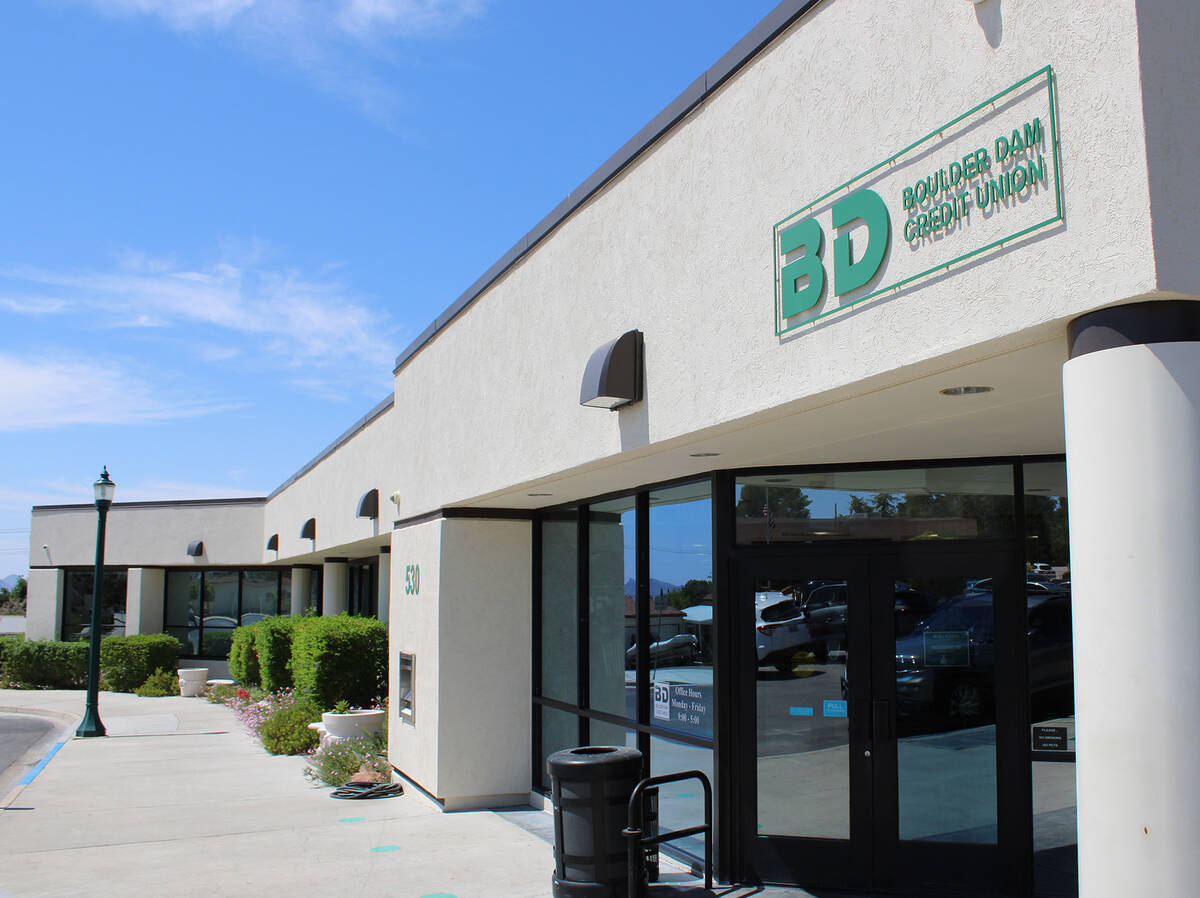
Last week, the Boulder Dam Credit Union’s risk management team of Kyle Johnson, Nancy Harteis, Lois Czarniak and Autumn Dempsey discussed the types of scams that are targeting individuals of all ages these days and the frustrations of keeping up with those scam artists.
“Yes, the scams are improving and yes, the scams are getting more prevalent because more of our elder population has access to technology and aren’t always aware of how to use it but that’s not just the elderly, that’s everyone,” Dempsey said. “The scams are not only becoming more prevalent but scarier.”
Czarniak said the majority of the fraud cases they see are by way of phone calls or emails. She said the scams vary greatly but many are supposedly from companies like Microsoft, Geek Squad, PayPal, Norton or Amazon saying that the customer will be charged a certain amount of money and are given a phone number to call or a link to click on.
“The scams are changing,” Dempsey said. “It used to be to get our individual members’ account information and get them to send money. Instead, now, they are adding spyware into their computers and can then watch our members spending habits and collect data. They also ask for the numbers on the back of their debit cards because cloning the phone numbers has become prevalent.”
When the cloning of a phone number occurs, the scammers can use that number, which will appear on an individual’s phone, thus, making the phone call appear to be even more legitimate.
“It’s very hard to beat the bad guys when they can work around the laws,” Dempsey said, noting that many scammers are based in foreign countries.
Czarniak added, “Unfortunately they clone our phone number. We (credit union) have a very distinctive phone of 702-293-7777. So, they see that it’s our number and they think they’re talking to us and they’re not.”
Harteis said another scam they’re seeing is one that pulls at a member’s heart strings after being befriended on a dating website or other social media platforms.
“That person (victim) begins to get the nice, warm, fuzzy feelings and comfortable with them (scammer) and they are asked to give them money,” she said. “It can be a variety of reasons. In some cases, it’s to come to the U.S., a surgery, a relative is in prison – just about anything you can think of. They’ll share pictures, which really aren’t them. It’s sad.”
These types of scams can go on for weeks, months or even years as the scammers gain the trust and emotions of the individual. They then try and get as much money from the individual as possible and then disappear. The team said this is one of the most difficult scams to combat because trust and feelings are involved and the one being scammed often doesn’t believe that’s the case. In some instances, their members have sold their homes or taken out loans to send money to their new “love.”
“Sadly, we don’t find these things out until after the fact,” he said.
They said their front-line staff who deal with their members daily are well trained to catch suspicious activity. They will ask certain questions of the members, out of concern, and if they get an uneasy feeling, a member of the risk management team will be asked to assist.
“Sometimes it’s tough to pull the information out of them because they’re embarrassed,” Harteis said. “Sometimes I will bring them into my office and I have a drawer full of scams. I share them with them. They then say, ‘Yeah, that’s what this really is.’”
They said that there are safety measures in place in which the credit union can refuse service in terms of money being sent directly from the credit union to someone they are confident is being fraudulent.
“We can’t keep people from using their money but we can keep them from using us to send it somewhere else,” Dempsey said. “There’s only so much we can do because we are a financial institution. We have to be within our parameters and our rules and regulations. We have to also protect the credit union. Yes, we want to help our members avoid taking those risks but we have to make sure the credit union is not at risk either. Sometimes that’s meant withholding services or even closing accounts.”
Scams promising a financial windfall, which have preyed upon a person’s greed or hope, have been around for decades.
“We always tell them that if it sounds too good to be true, it normally is,” Dempsey said.
Other scammers prey upon one’s fear. It could be that their computer has been compromised, a loved one is in jail, have unpaid taxes or that their power will be turned off if they don’t send money right away. The team said if money is being requested by way of transferring funds, wiring it, apps like PayPal or one of the most common – gift cards – they tell people to not do it.
“For many people there is that level of fear but after talking to them, once they realize they truly are a victim of fraud, there is a level of embarrassment,” Johnson said.
The four were quick to point out that while many of these scams are perpetrated against their senior citizen members, they have seen victims of all ages, even as young as 17.
Johnson said seeing the same person being victimized over and over is not only frustrating but saddening.
“It’s just when you keep hearing the same one (fraud) over and over, how many times do you have to put this out and yet people aren’t catching on?” Harteis said in terms of the frustration.
“We have a lot of transaction monitoring we’re responsible for so when you have to consistently babysit one person all the time because they’re always falling for fraud, it gets to the point that the risk is too high,” Johnson said.
Dempsey added, “We tell them, ‘Come to us, that’s why we’re here.’ There’s no shame here. We’re not going to be mad at you or make you feel stupid.”