Raised beds versus containers: Which is best?
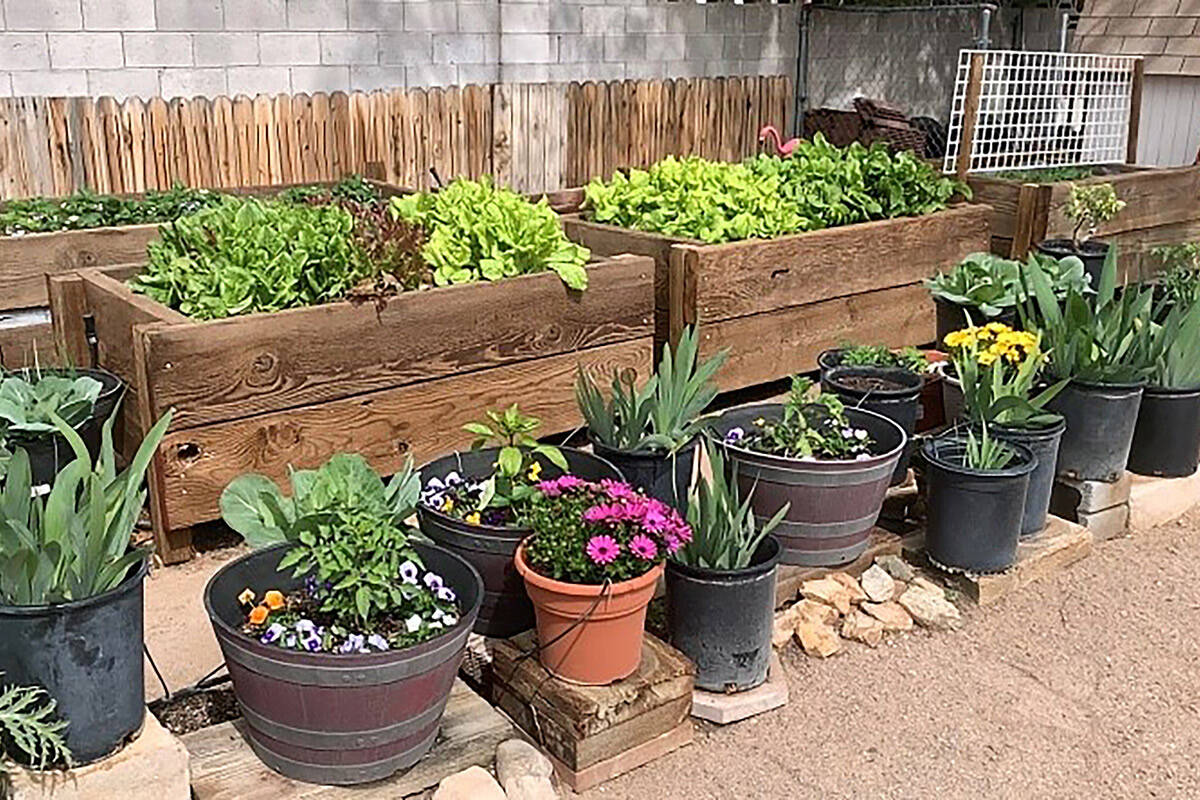
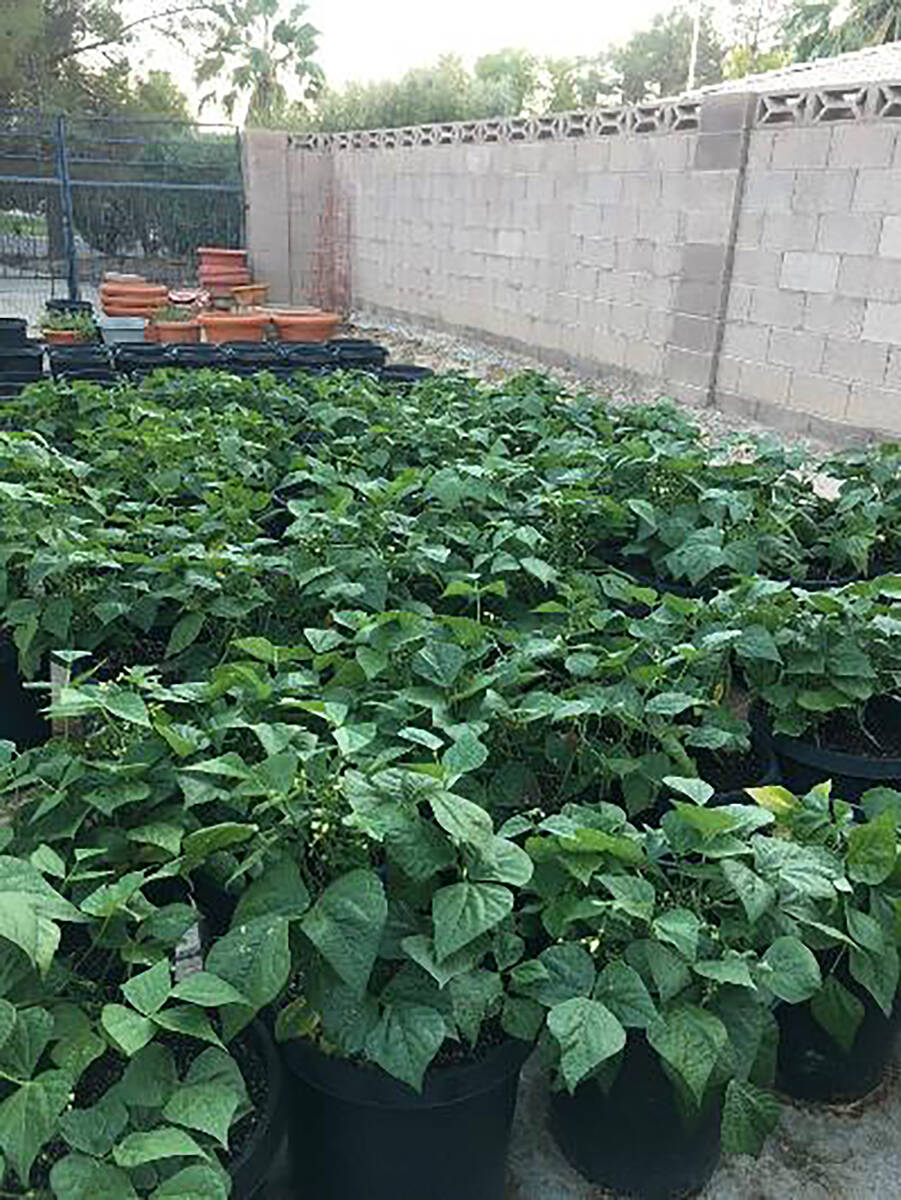


Requests for Dr. Wittwer’s information on raised bed gardening, his “Bible” I call it, overwhelmed and surprised me. I just finished sending out copies to everyone and my fingers are tired! Dr. Wittwer was the former vegetable extension specialist for Michigan State University before he retired to Southern Nevada. In Logandale, Nevada, he maintained a large in-ground vegetable garden for many years before moving and eventually passing away. Logandale, in its agricultural area called the Moapa Valley and located about 60 miles north of Las Vegas, is slightly warmer but has similar soils and climate.
It is essential to use his recommended varieties but his recommendations on fertilizers and pesticides can be substituted for more “organic” forms if you prefer. When using raised beds, or Bartholomew’s “square foot gardening,” look for more compact forms of the same variety. Vegetable breeders “earn their pay” by recognizing popular varieties in regions would be even more popular with homeowners provided they have enough space to grow them. They concentrate on making them small or changing their fruiting habits in some way. The ‘Early Girl’ variety of tomato is now available as a “bush” or determinate type instead of the continuously vining type called “indeterminate.”
There are many reasons for constructing raised beds - rocky soil beneath it, uninhabitable because of pests like nematodes, small space requirements, beautification, etc. A type of “raised bed” are nursery containers. Even smaller “raised beds” such as ornamental containers in the landscape can add beauty and height to traditional gardens. Unlike larger raised beds they can be easily emptied, scrubbed clean, and refilled again with new soil. Remember to fill them to within one inch of the container “lip” to maximize their soil depth and ease their heat dissipation.
Remember pots get hot on the outside unless the pot has something shading it. Double potting them (so they have an air space) is one answer in keeping the heat under control.
Q. In a rocky spot is where we wanted to build a raised garden bed. I wanted to build a raised bed 18” high and fill it with quality soil. On second thought, it seems to me that digging deep into our native soil and then backfilling that sunken area with quality soil helps retain moisture, reduce the soil from being baked by the sun, and keep plant roots cooler. Is this something you would recommend?
A. You don’t need anything 18-inches deep. Twelve inches is plenty deep enough for all vegetables and herbs. Plus having a rock-free growing soil benefits root crops like carrots and asparagus spears so they grow straight and don’t get “forked” or crooked.
Yes, it’s true, growing in the ground, as opposed to a raised bed, uses less water but applying water to a raised bed close to the exposed wood helps keep the roots moist on hot days.
Either method works but your raised bed option requires overall less work. Traditional side walls of untreated redwood or cedar last about ten years. Even pine side walls, treated or untreated, last nearly as long. Just don’t bury them! The only thing I would add is that a four-foot-wide bed is a bit wide unless you are 5 foot 10 or taller. A better width to consider for shorter people is 40 to 42 inches.
Another option to consider are plastic nursery containers. Make sure that when filling them that they are filled with soil to the same depth each time; one inch from the “lip.” This makes watering them by hose that much easier! I have grown vegetables in round containers and I like them grown that way as long as it’s not corn!!! The nice thing about containers is that they can be moved to a new spot. Containers are very flexible in growing operations. They can be used for starting seedlings and pushed together, and grown further apart when needed. However, I wish there were more square containers available!
Mulching new seeds during the heat is important for temperature and moisture control. If you don’t, one dry hot day is enough for you to quit! I use a light application of horse bedding (one-quarter-inch deep layer over the seeds, just enough to keep the sun off of the soil) to help keep the seeds cooler and moist.
Q. Which fruit trees are best planted in rocky soil?
A. Rocky soil, to me, means soils low in organic content as well as full of rocks. In the desert, these soils may be growing fruit trees that are productive but can handle soils covered in rock on the surface of the soil better than some other fruit trees. I am guessing this definition could be extended into a prepared soil covered with a two-to three-inch layer of rock.
Stone fruit trees are like apricots, plums, and peaches; those trees that produce fruit that have a hard “pit” in the center. Stone fruit trees are among the best trees, in general, to grow in rocky soil because of their root’s tolerances to low soil organics, root structure and ability to suck up water from the soil at low levels of soil moisture.
Fig trees can get large, over 40 feet tall, but they also can handle severe pruning to keep them smaller. We have done that over and over at the University orchard in North Las Vegas and have had no issues with it for 15 years! Remember to give them extra water, above and beyond what they need for their growth, if you want them to hang on to their fruit and be productive. Unlike their water needs for growth, they need more water to produce fruit during the hot summers.
Olive trees a make it onto my list of recommended fruit trees to grow in rocky and low organic soils even though it is not used that much by some. Olives can be grown (outside Clark County) for fruit production. The fruit is either used as a condiment (green or black fruit) or the fruit is extracted for its oil (olive oil) or both.
Citrus is probably the most often asked about fruit tree regarding soil organics. Yes, there are huge differences among citrus and their organic requirements. Most citrus are tropical to semitropical which include the true lemons, oranges, clementines and grapefruit. All four do OK in rocky soils or grown under rocky surface mulch.
Bob Morris is a horticulture expert and professor emeritus of the University of Nevada, Las Vegas. Visit his blog at xtremehorticulture.blogspot.com. Send questions to Extremehort@aol.com.