Planning can help prevent heat-related illnesses





The official start of summer is just around the corner. Summer days bring summer fun, but the season also brings its own hazards and increased risk for injury. Planning ahead and taking simple precautions can help keep you and your family safe this summer.
Your best defense against heat-related illnesses is prevention. Here are a few tips to help keep you healthy while enjoying summer activities.
Wear sunscreen whenever you’re outside and reapply frequently. Use sunscreen of SPF 15 or higher (the most effective products say “broad spectrum” or “UVA/UVB protection” on their labels).
Don’t leave children or pets unattended in a vehicle.
Stay hydrated. Don’t wait until you feel thirsty. Drink more fluids (nonalcoholic), regardless of your activity level. If your doctor limits the amount of fluid you drink or has you on water pills, be sure to check with your doctor to see how much you should drink while the weather is hot.
Avoid alcohol, caffeinated drinks, large amounts of sugar, and heavy meals.
Dress appropriately (loose, lightweight clothing and a hat).
Stay indoors if possible. Try to stay in an air-conditioned place if you can.
Schedule outdoor activities for the early morning or late evening. Try to stay out of the sun. Rest regularly.
Use a buddy system if you will be outdoors.
Stay cool with cool showers or baths. Don’t use a fan as your primary cooling source. Fans will not prevent heat-related illnesses.
Don’t leave children unattended near water. Wear life jackets in boats and in lakes or rivers.
Provide plenty of fresh water for your pets.
Monitor those at higher risk for heat-related illnesses. People at higher risk include children, people 65 or older, people who have a mental illness, and those that are physically ill.
Above all, use common sense.
Heat-related illnesses occur when the body’s temperature control system is overloaded. People suffer heat-related illness when their bodies are unable to compensate and properly cool themselves. The body normally cools itself by sweating. But under some conditions, sweating just isn’t enough.
In such cases, a person’s body temperature rises rapidly. Very high body temperatures may damage the brain or other vital organs. Several factors affect the body’s ability to cool itself during extremely hot weather. When the humidity is high, sweat will not evaporate as quickly, preventing the body from releasing heat quickly.
Other conditions related to risk include age, obesity, fever, dehydration, heart disease, mental illness, poor circulation, sunburn, and prescription drug and alcohol use. Two of the most serious heat-related illnesses are heat stroke and heat exhaustion.
Heat Stroke
Heat stroke is the most serious heat-related illness. It occurs when the body becomes unable to control its temperature: the body’s temperature rises rapidly, the body loses its ability to sweat, and it is unable to cool down.
Body temperatures rise to 106°F or higher within 10 to 15 minutes. Heat stroke can cause death or permanent disability if emergency treatment is not provided.
Warning signs include extremely high body temperature; red, hot and dry skin (no sweating); rapid, strong pulse; throbbing headache; dizziness; nausea; confusion; and unconsciousness.
If you suspect someone has heat stroke, call for immediate medical assistance (call 911), move the victim to a shady area, and cool the victim rapidly (immerse in a tub of cool water, sponge person with cool water, etc.). Do not give the victim fluids to drink, and keep the victim from injuring him/herself, but do not place any object in the mouth. Get medical assistance as soon as possible.
Heat Exhaustion
Heat exhaustion is a milder form of heat-related illness that can develop after several days of exposure to high temperatures and inadequate or unbalanced replacement of fluids.
Warning signs include heavy sweating, paleness, muscle cramps, tiredness, weakness, dizziness, headache, nausea or vomiting and fainting.
If you believe someone has heat exhaustion, seek medical attention immediately if symptoms are severe or if the victim has heart problems or high blood pressure. Get them to drink cool, nonalcoholic beverages and rest. Also, have the person take a cool shower, bath or sponge bath, and seek an air-conditioned environment. If possible, have them wear lightweight clothing. And finally, seek medical attention if symptoms worsen or last longer than one hour.
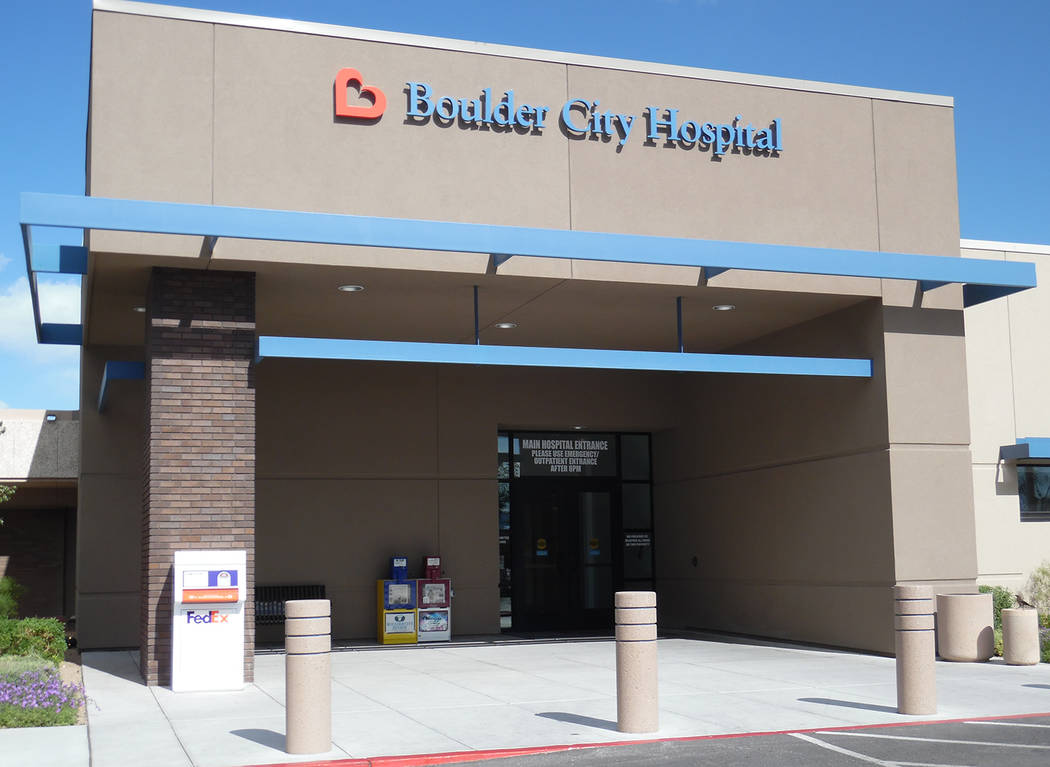
To Your Health is provided by the staff of Boulder City Hospital. For more information, call 702-293-4111, ext. 576, or visit bouldercityhospital.org.