Think first, make better decisions
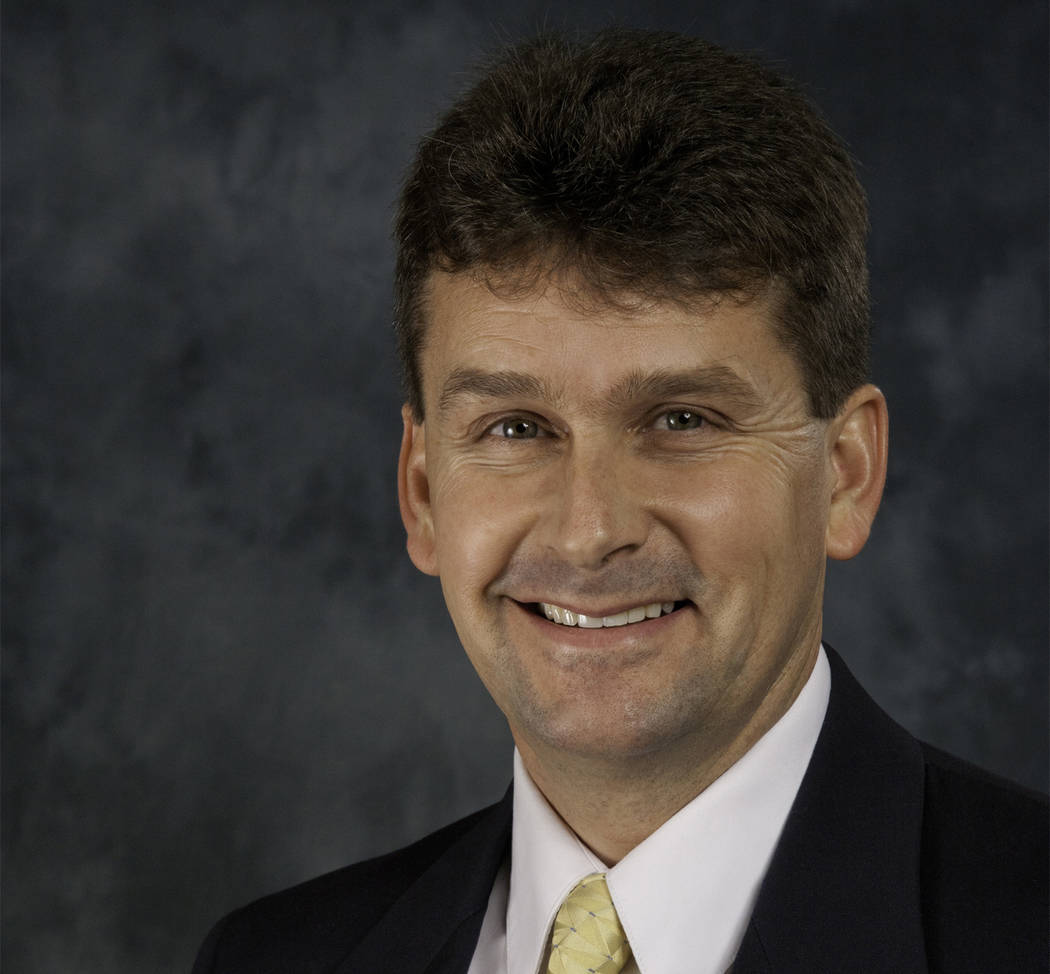


When I’m not moonlighting as the mayor, I try to earn a living as an attorney. And as much as I loathe billing clients, it’s obviously necessary in order to put food on my family’s table.
People hire me as much for my training, experience and analytical skills as for what I actually “do” for them. The same is true of other professionals like doctors and financial planners. We gather information, deposit it upstairs in our brains, spend considerable time synthesizing, organizing and processing it up there, think through relevant issues and problems, turn them over and over and over again in our minds, apply our knowledge, expertise and experience to them and eventually spit out a diagnosis, a prognosis and perhaps even a solution or two in the form of professional advise.
But imagine your reaction if you received a $1,500 bill from me that simply said, “Thought about your case today.” Instead of merely throwing darts at my picture or icy stares in my general direction, you’d be hurling actual projectiles at the real me. After all, if we have to pay for something, you and I much prefer paying for actions, results and tangible things that we can see and feel than for invisible ideas and impressions.
And yet, would you really want a doctor to operate on you if she hadn’t first observed and analyzed your symptoms, thought through test results, hypothesized about the source of your problems, ruled out other possible causes, drawn upon past experience and otherwise brought to bear on your case the sum total of her education, training and expertise? Of course not. That’s because 95 percent of most good solutions involves an awful lot of thinking.
And most of that thinking should usually occur before we act, at least in any definitively way. You don’t have to be a doctor to know that it’s generally not a good policy to operate first and diagnose later.
Thinking before we act or speak is almost always the best policy in our public forums as well. Even our first- and second-graders at Mitchell Elementary School know from their Seven Habits training made popular by Stephen R. Covey that we should “seek first to understand” and only “then to be understood.” I also like another aphorism that Covey and other prominent thinkers like Ralph Waldo Emerson and William Makepeace Thackeray have repeated in various forms over the centuries. Its origin is unknown, but it’s often been characterized as an old Chinese proverb: “Sow a thought, reap an action; sow an action, reap a habit; sow a habit, reap a character; sow a character, reap a destiny.”
Regardless of its origin, it’s true. Our thoughts ultimately determine our destiny. And the eternal law of the harvest is always in full force and effect. So, both individually and collectively, we should first do everything in our power to make sure that we plant good thoughts and cultivate them carefully if we ever hope to reap positive results.
On the subject of good thinking, keeping an open mind is critical to our community’s success as well. When you and I keep an open mind, we’re willing to listen to different ideas and opinions, including those that at first blush aren’t consistent with our own. We’re also more willing to reserve judgment and wait to form an opinion until we have all the reasonably available information and facts in our possession.
In the long run, thinking first, analyzing problems conscientiously and doing it with an open mind will inevitably lead to better decisions and results for everyone. And that’s what we all want. So, before you speak or act next time, think about it. And listen to others. Then think about it some more.
We’ll all reap the benefits if you do.
Rod Woodbury is the mayor of Boulder City. He has been serving on the City Council since 2011 and is the president and managing shareholder of his law firm, Woodbury Law.