Lake Mead sets a record low. It’s only the beginning
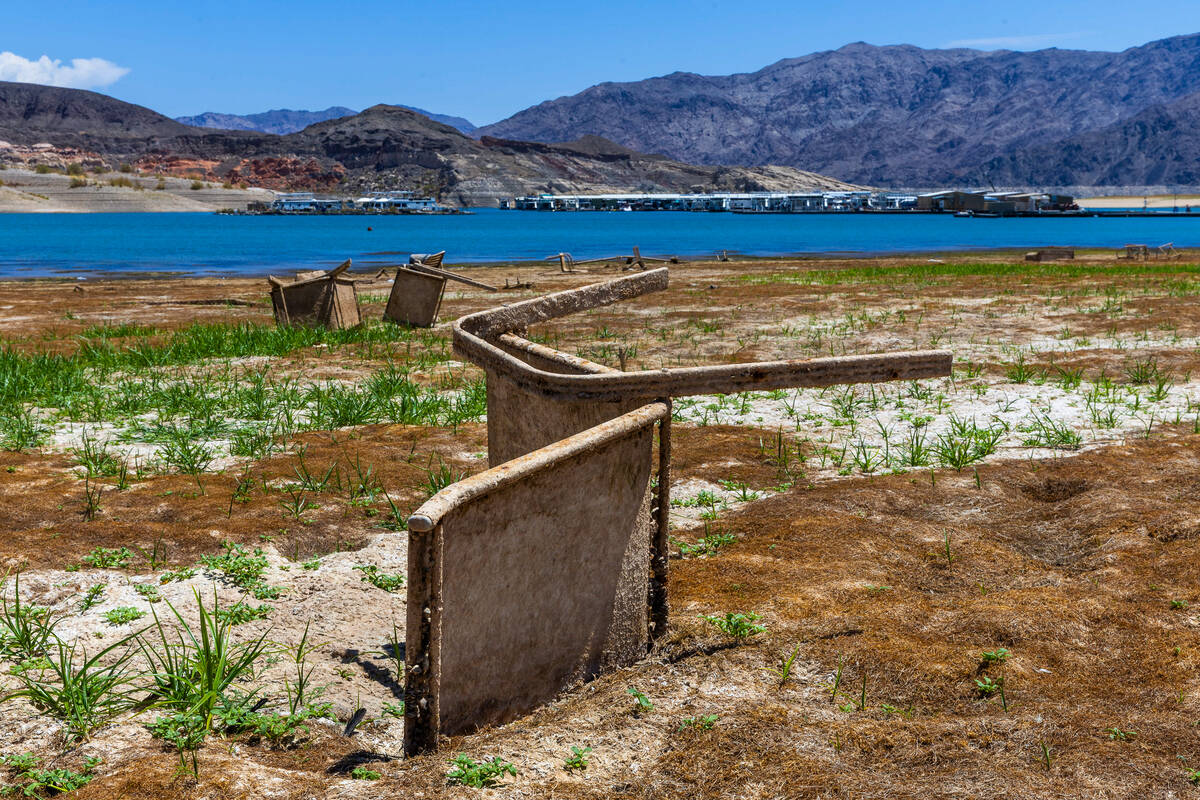
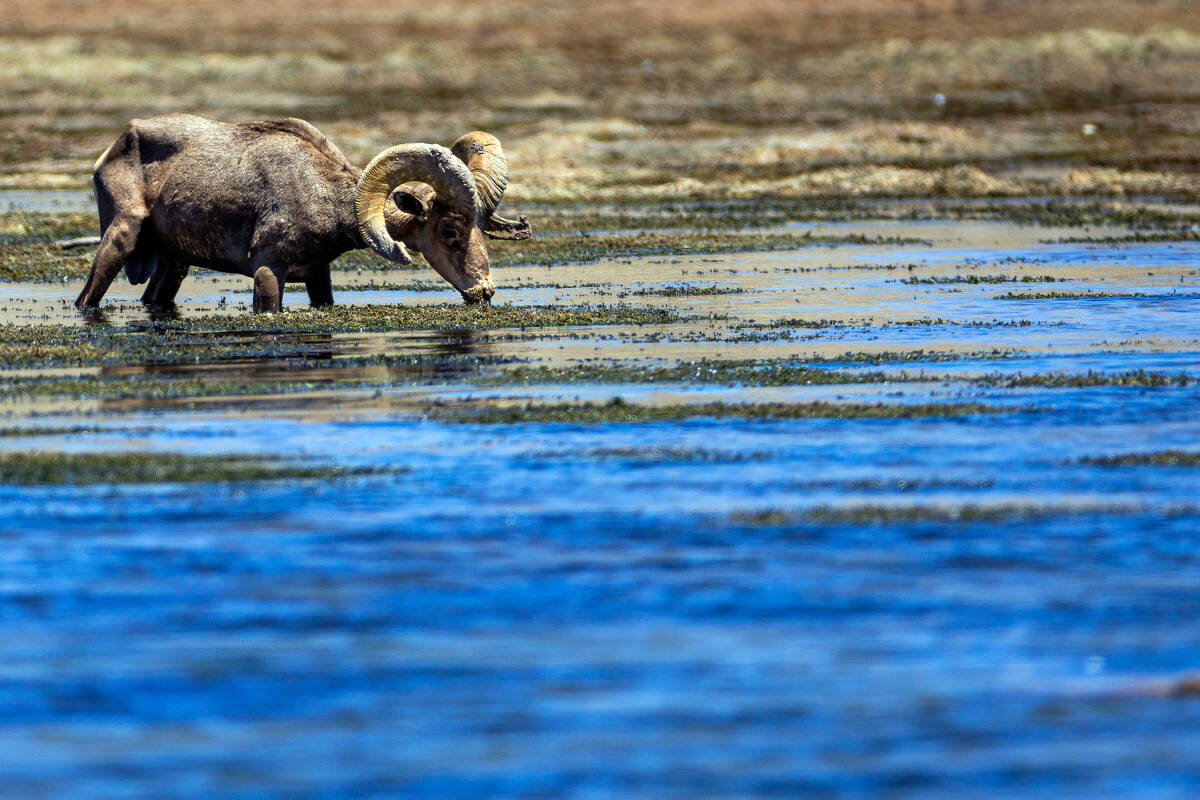
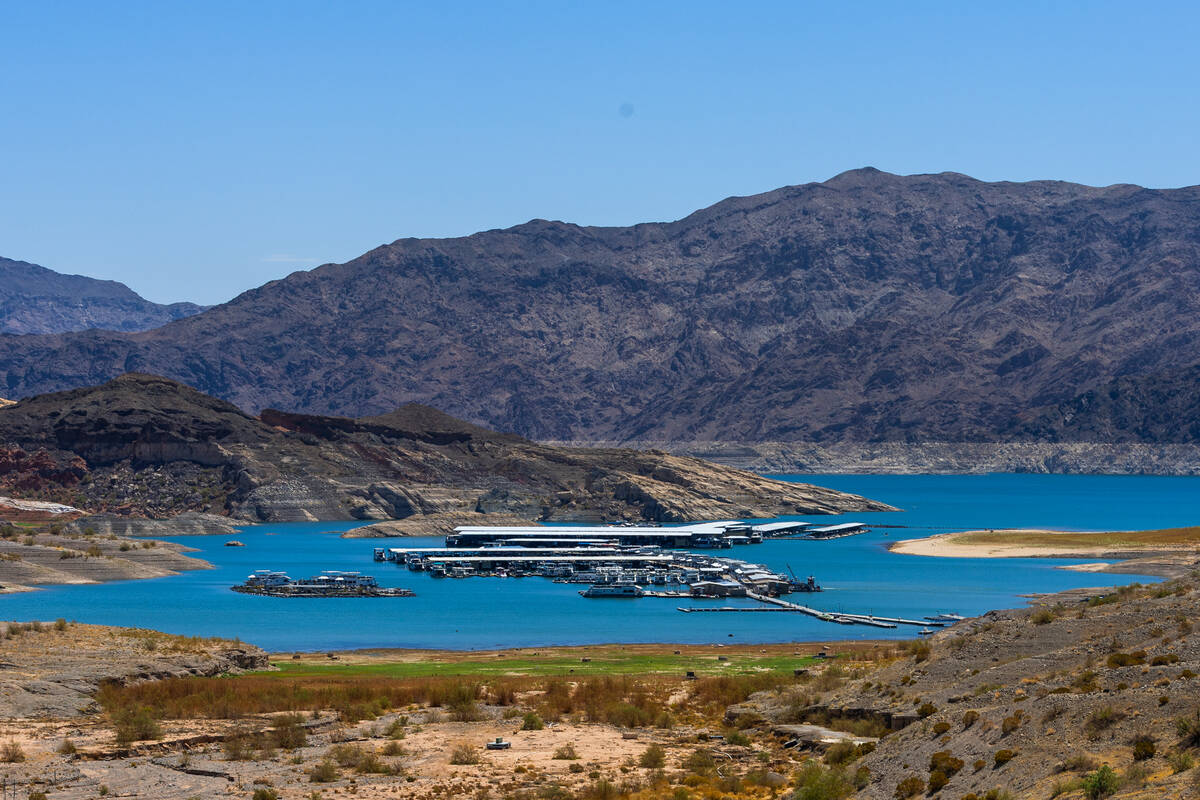
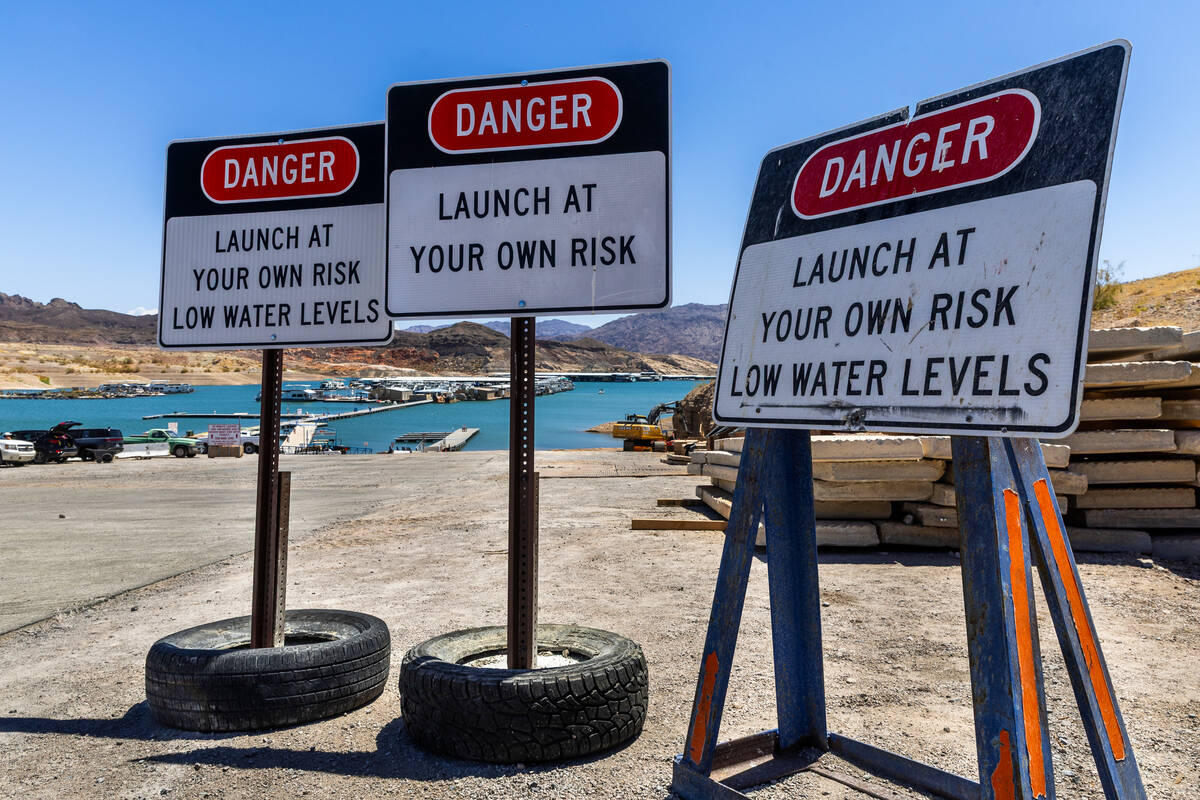
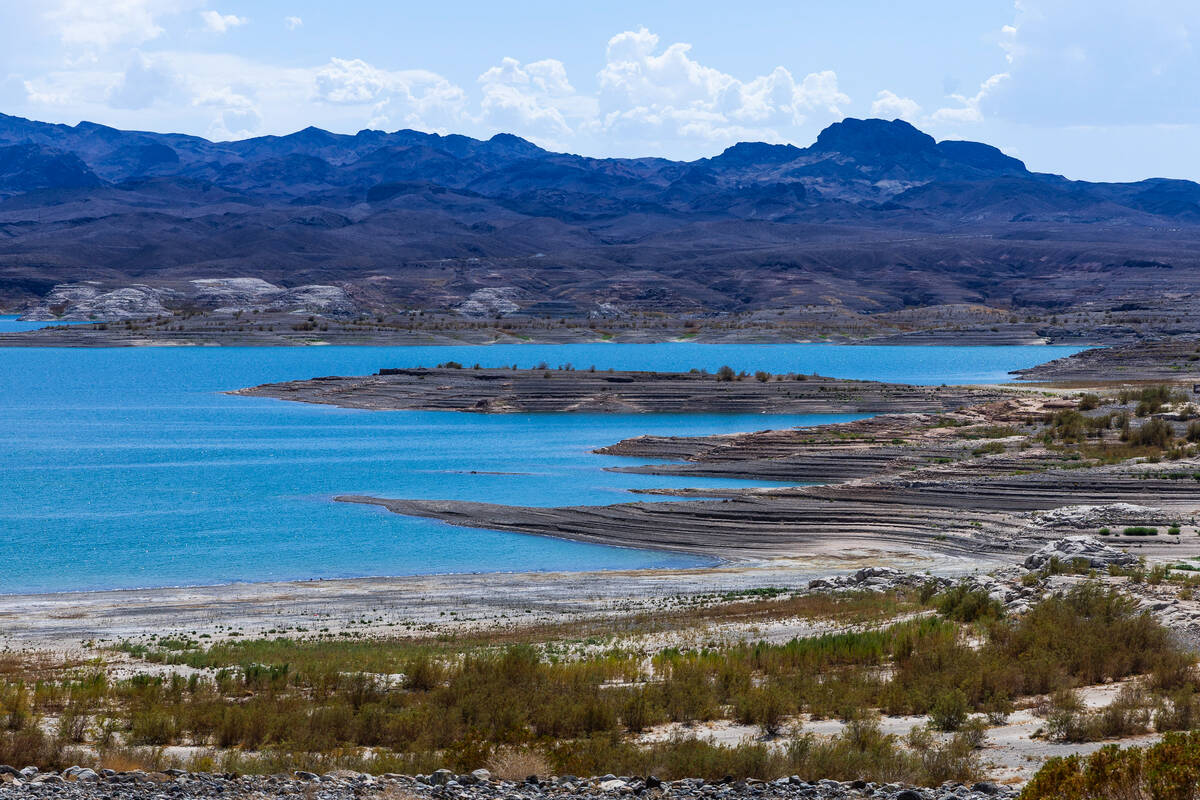
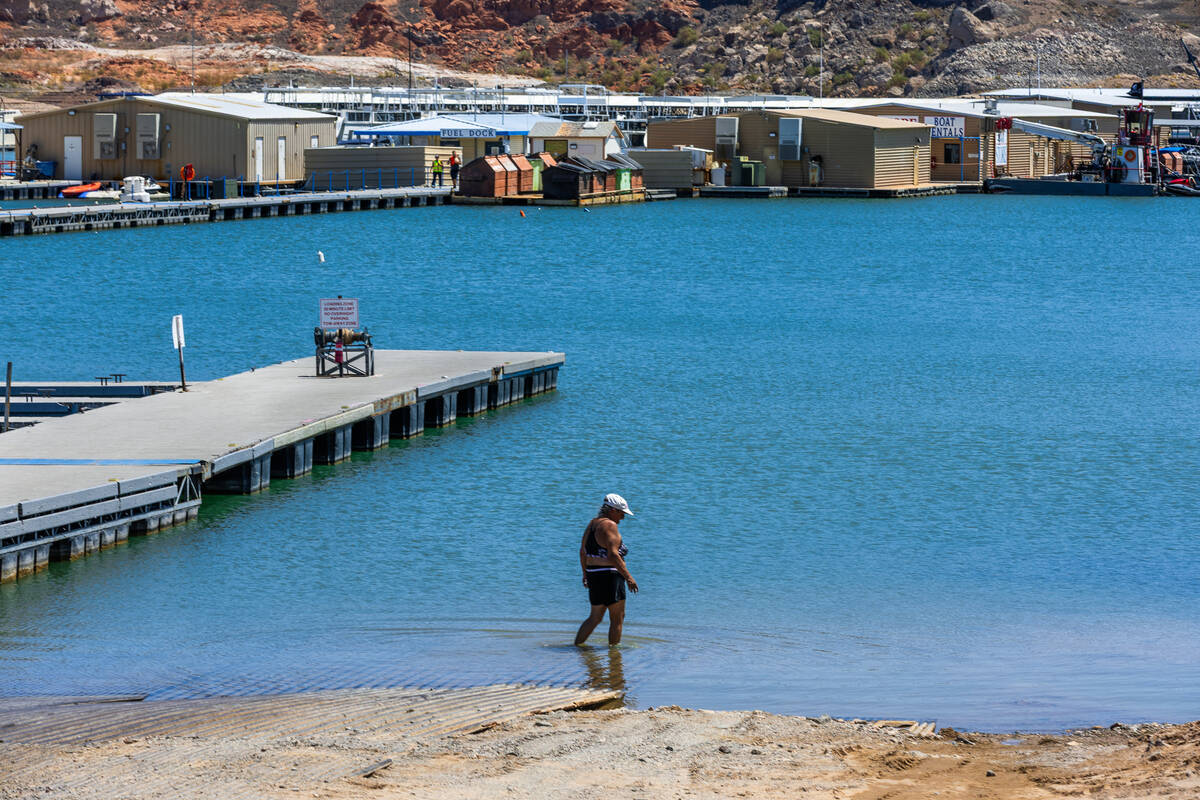
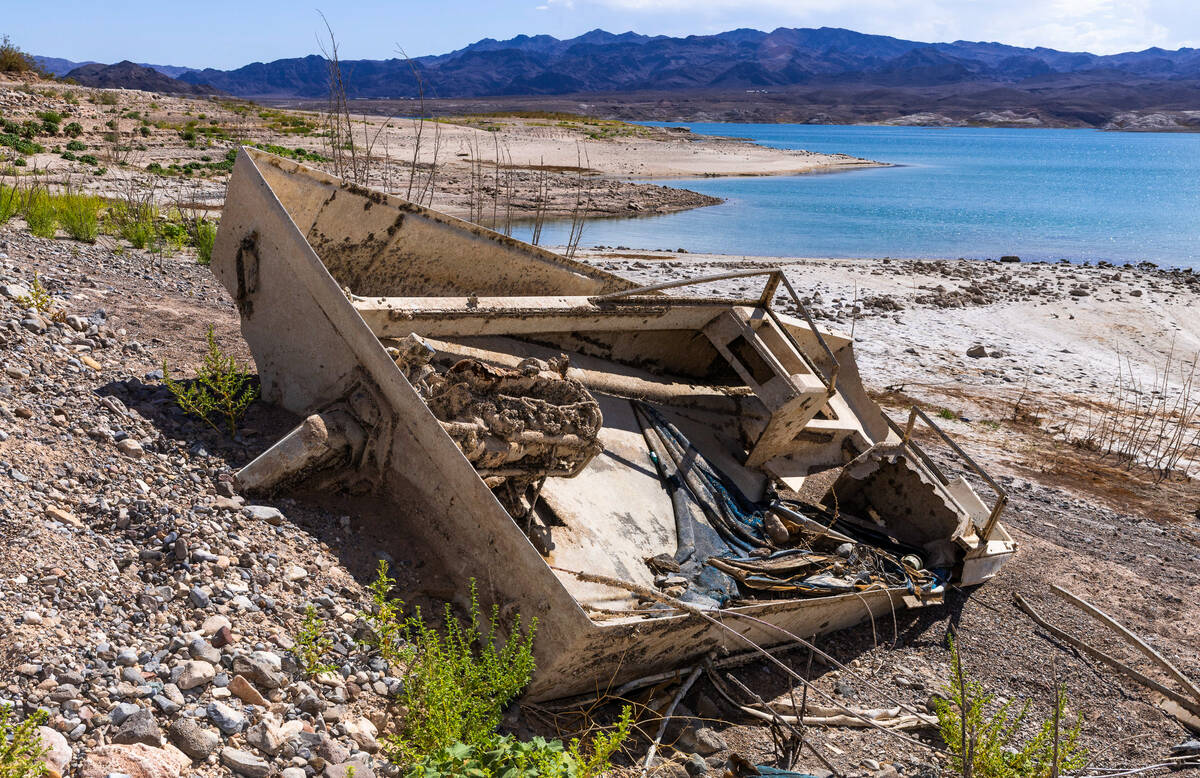
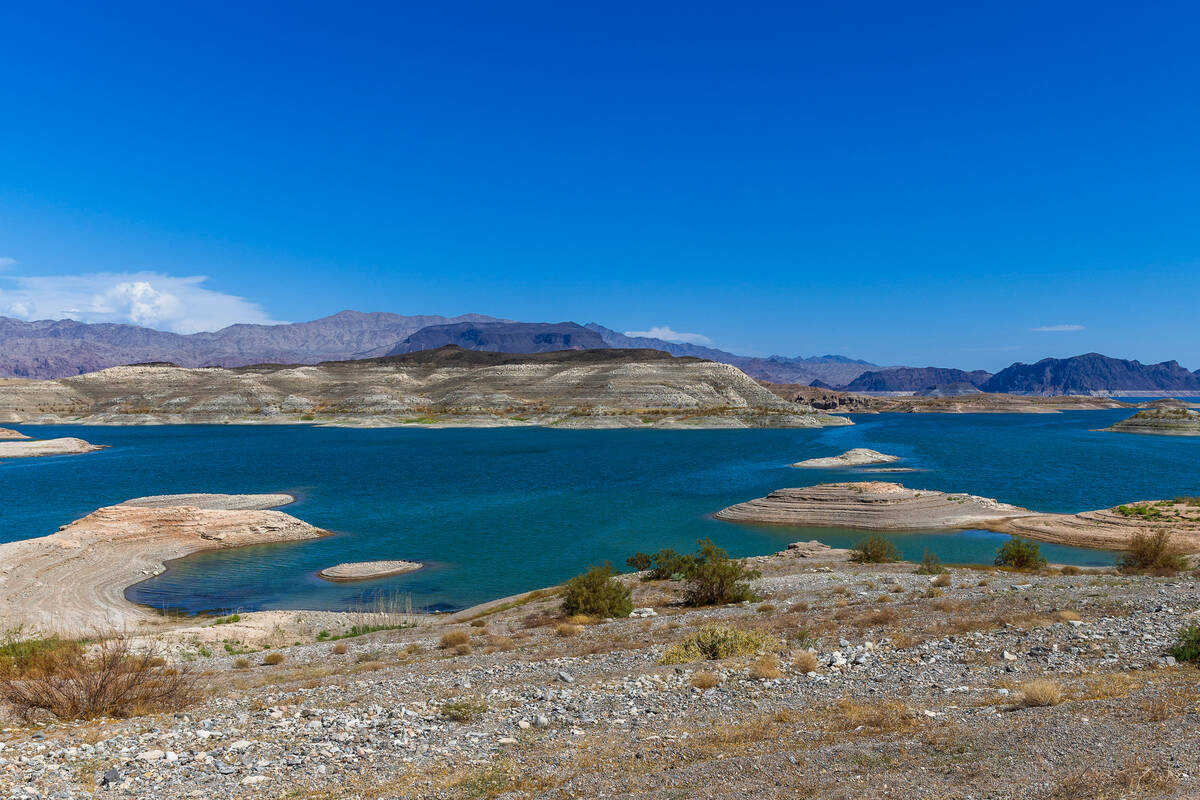
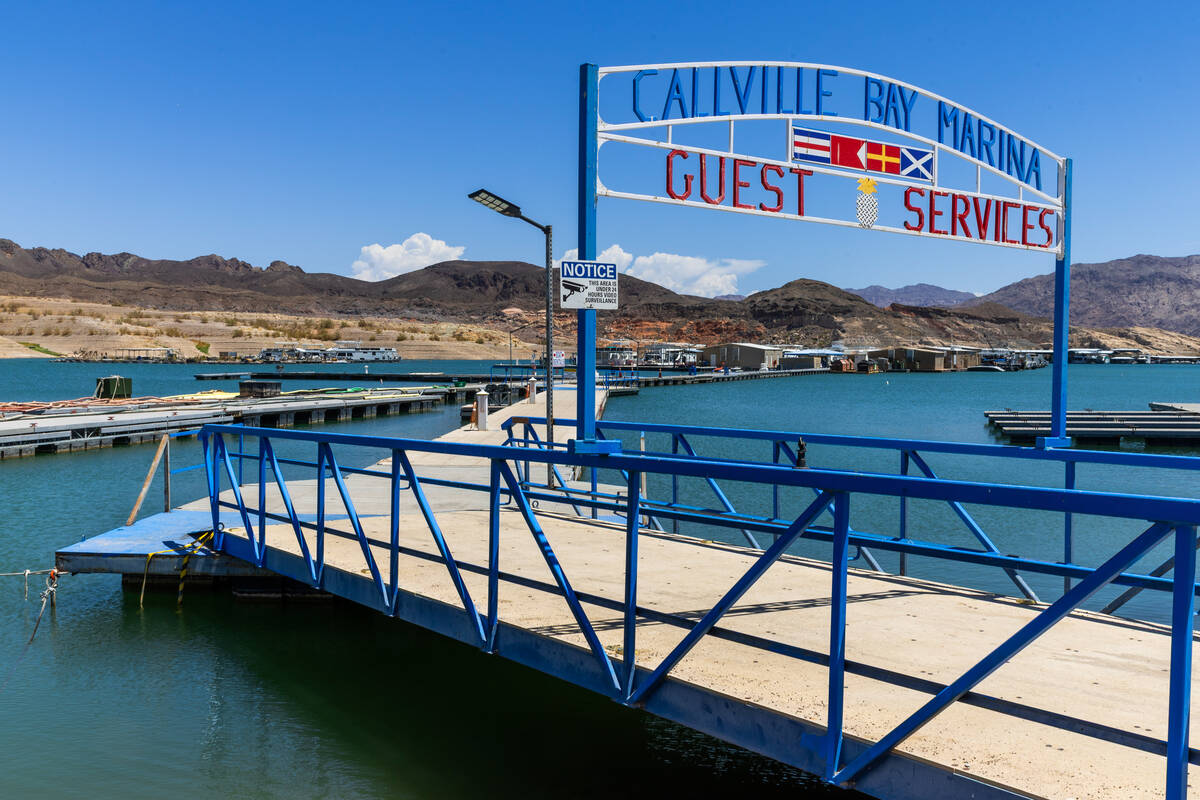




For a brief few hours early Friday morning, Lake Mead set a new record-low elevation as it begins a nosedive over the next two years, federal data shows.
The Bureau of Reclamation, which provides hourly data for Lake Mead, recorded a lake level of 1,040.46 feet above sea level between midnight and 1 a.m. and 1,040.49 feet between 1 a.m. and 2 a.m., falling below the previous record low set in 2022 by a few inches. An agency spokesperson said in an email Thursday that its scientists previously considered 1,040.50 feet, recorded on July 28, 2022, the historic low.
Though the reservoir has risen slightly as it it fluctuates from hour to hour, those data points now mark the lowest levels recorded for Lake Mead since it was filled in the 1930s. And that is a trend Nevadans can only expect to worsen.
The reservoir that provides about 90 percent of Southern Nevada’s drinking water faces a precarious future in an era of climate change and extreme drought for the seven states in the Colorado River Basin.
According to the most recent projections from federal forecasters, Lake Mead will set a new record low nearly every month through 2028, though that study doesn’t yet take into account any future shortages imposed on states and their water users.
Last week, the Trump administration announced a 10-year framework for state-level Colorado River cuts — ones that the Nevada governor and the state’s Colorado River czar said present an unacceptable legal interpretation of the state’s water rights. The Bureau of Reclamation has yet to release a final operating plan that will likely be renegotiated before 2028.
A leading group of Colorado River researchers said last month that the combined storage of Lake Mead and Lake Powell hasn’t been this low since 1957 during the construction of Glen Canyon Dam. They only expect those numbers to plummet, unless weather conditions improve and water use dramatically decreases.
To help fund drought mitigation, infrastructure projects and conservation in the Colorado River states, federal lawmakers across the aisle have recently called on Congress to provide emergency funding to do so.
Contact Alan Halaly at