Official: Still hope in water fight




Nevada’s Colorado River czar offered little concrete insight into the status of negotiations at a summit Wednesday as the state braces for the federal government to hand down a final operating plan its water managers aren’t happy with.
“There’s hope that things can change,” said John Entsminger, general manager of the Southern Nevada Water Authority, to reporters. “We’ll keep talking to people, and that’s the overall goal. We saw version A, and now we’re trying to land on version C or D that everyone can live with.”
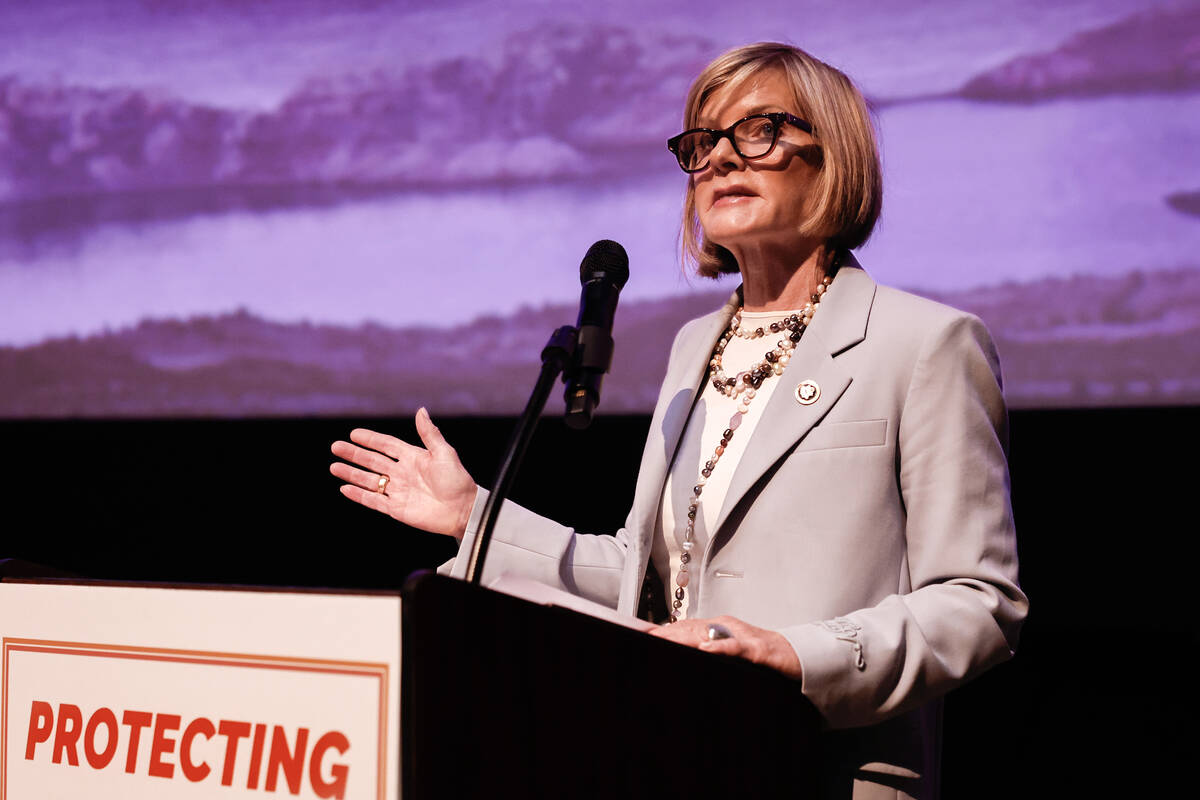
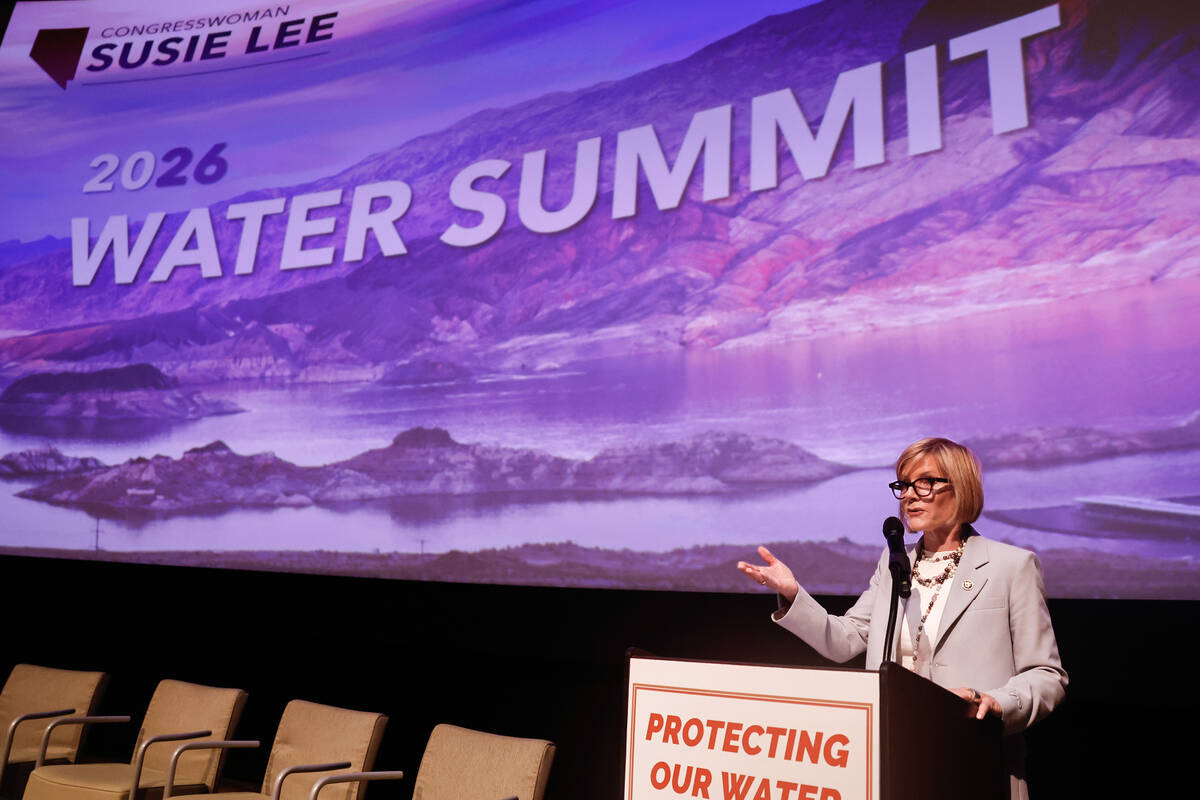
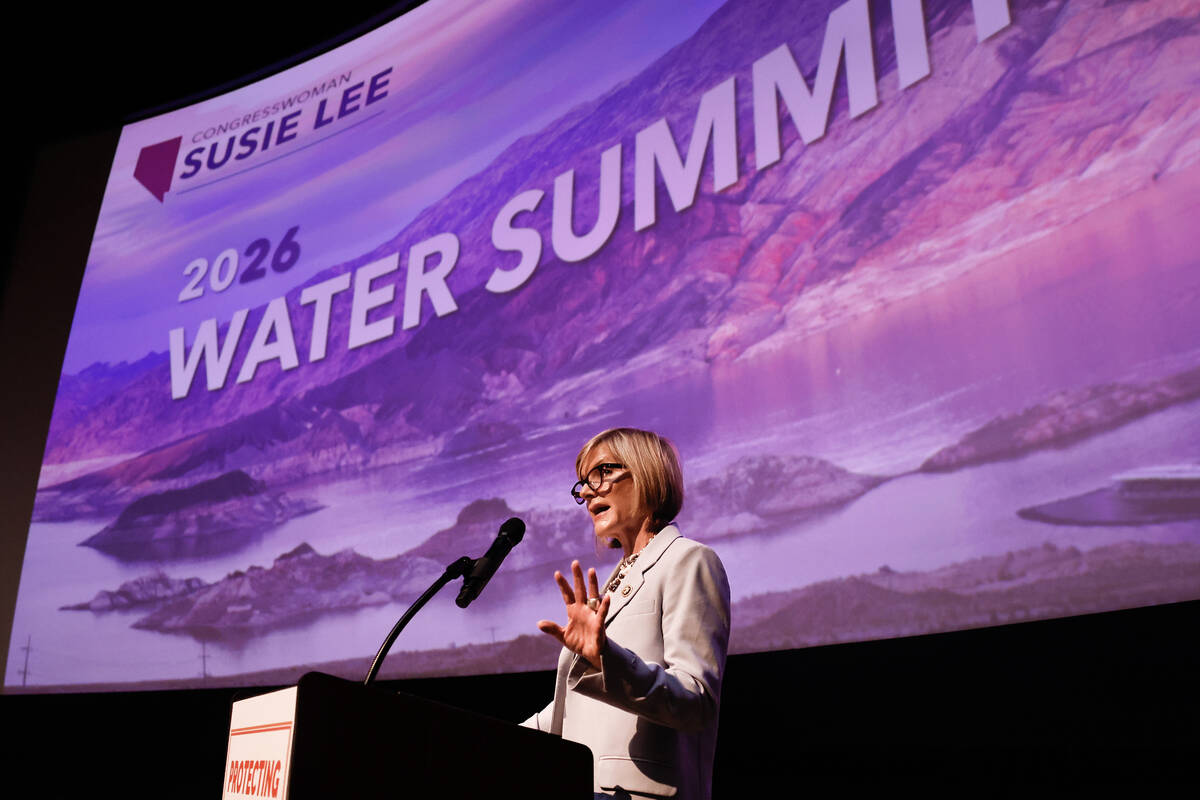
U.S. Rep. Susie Lee, D-Nev., hosted her fourth annual summit to discuss the state of the Colorado River at Springs Preserve. It comes after the Trump administration released a “final environmental impact statement” that could impose a sharp degree of mandatory shortages in the Lower Colorado River Basin states of Nevada, California and Arizona.
The federal government’s legal interpretation in the document could mean deep cuts to Nevada’s allocation of the river over the next 10 years, to the tune of a mandated surrender of one-third to two-thirds of its share, which already is the smallest of any of the seven states.
Instead of a traditional, 20-year framework for how to share the river, a plan would be renegotiated every two years.
The Interior Department has yet to put out its finalized operating agreement following blowback from leaders in both Arizona and Nevada. Those two states criticized the fact that the Upper Basin states of Colorado, Utah, Wyoming and New Mexico would only be required to contribute 200,000 acre-feet of water annually between them, on a voluntary basis.
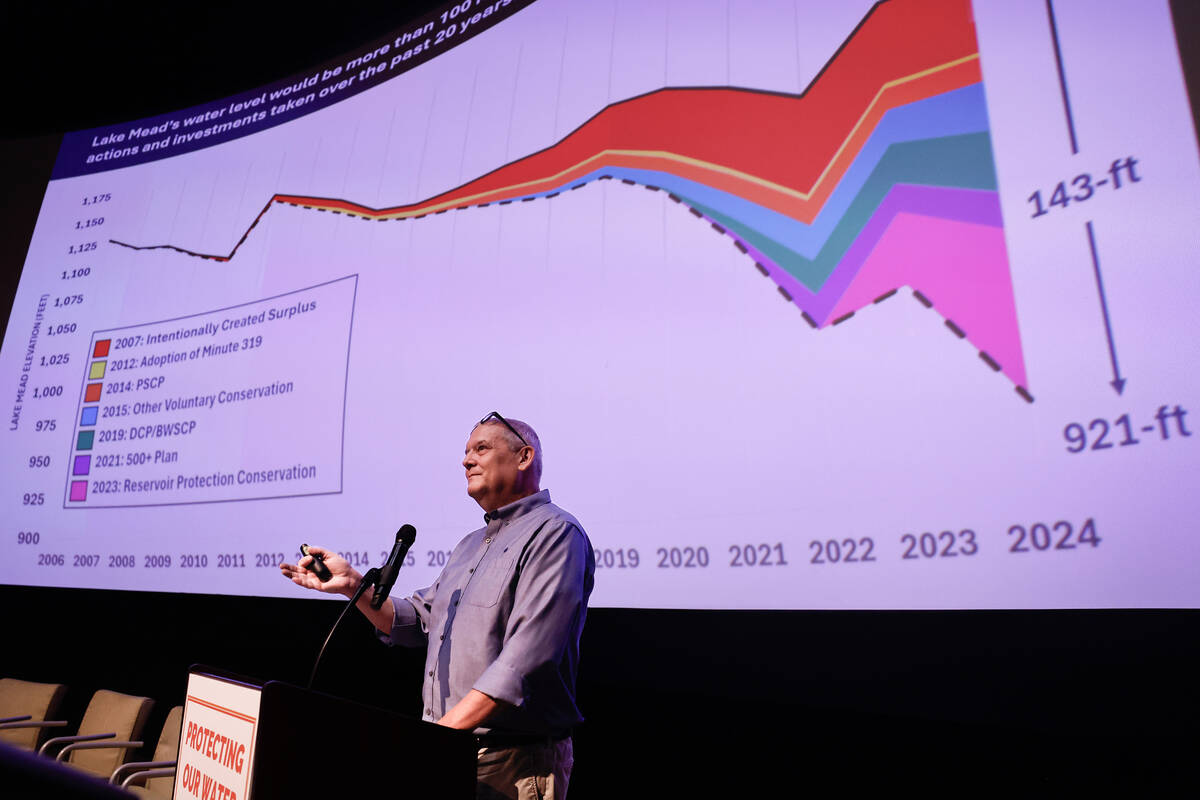
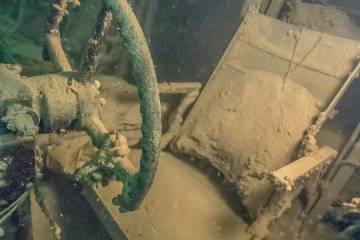
All told, federal officials could mandate that the Lower Basin states contribute up to 3.6 million acre-feet of water to preserve storage in reservoirs such as Lake Mead, which on Aug. 7 reached its lowest elevation recorded since it was filled in the 1930s.
Upper Basin states argue their water users get cut off in both good water years and bad because of their obligation to send water downstream. But Mike Connor, who served as Bureau of Reclamation commissioner under the Obama administration and is from New Mexico, said the basin’s drought is bad enough that it warrants full participation from all seven states.
“The Upper Basin is going to have to step up and be willing to contribute at some point in time to the massive cuts that hopefully are not necessary every year, but are certainly going to be necessary in a lot of years moving forward,” Connor said.
^
No word on timing for final plan
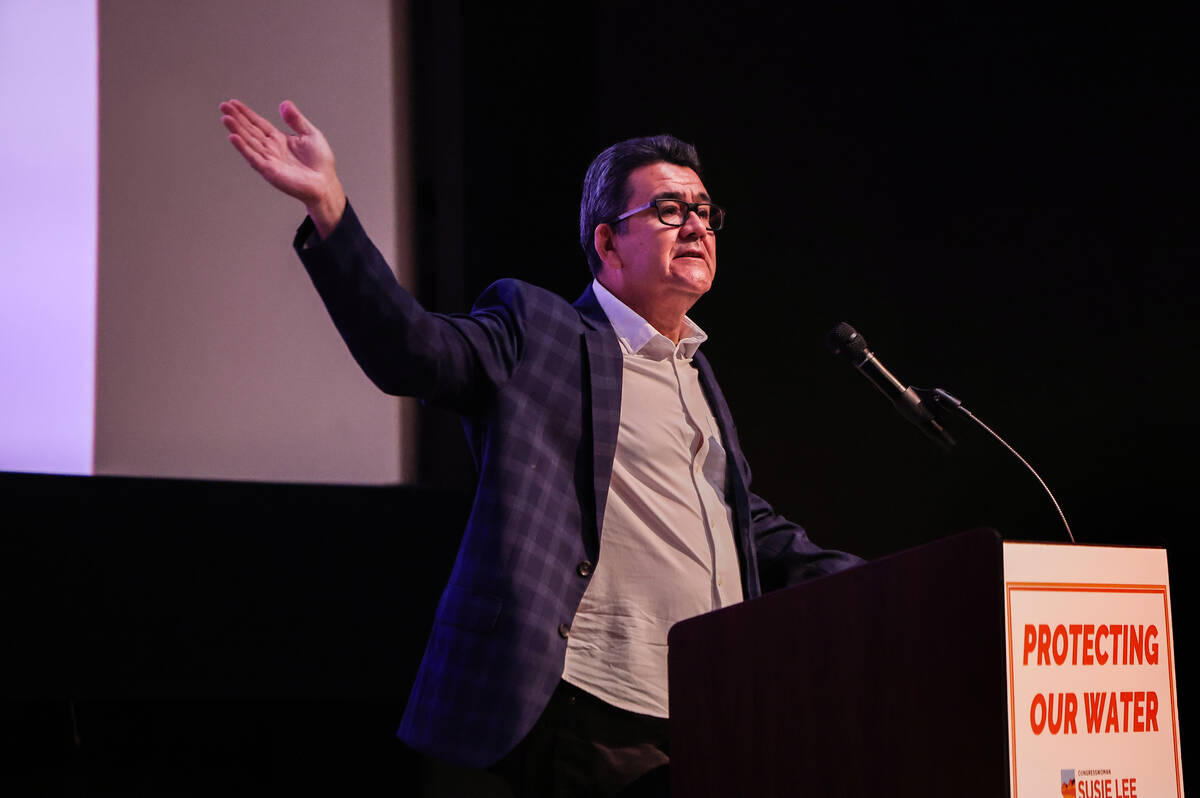
Entsminger, Nevada’s governor-appointed negotiator, delivered a keynote address in which he didn’t criticize the Trump administration’s initial plan, but rather said his job is far from finished in advocating on behalf of the state.
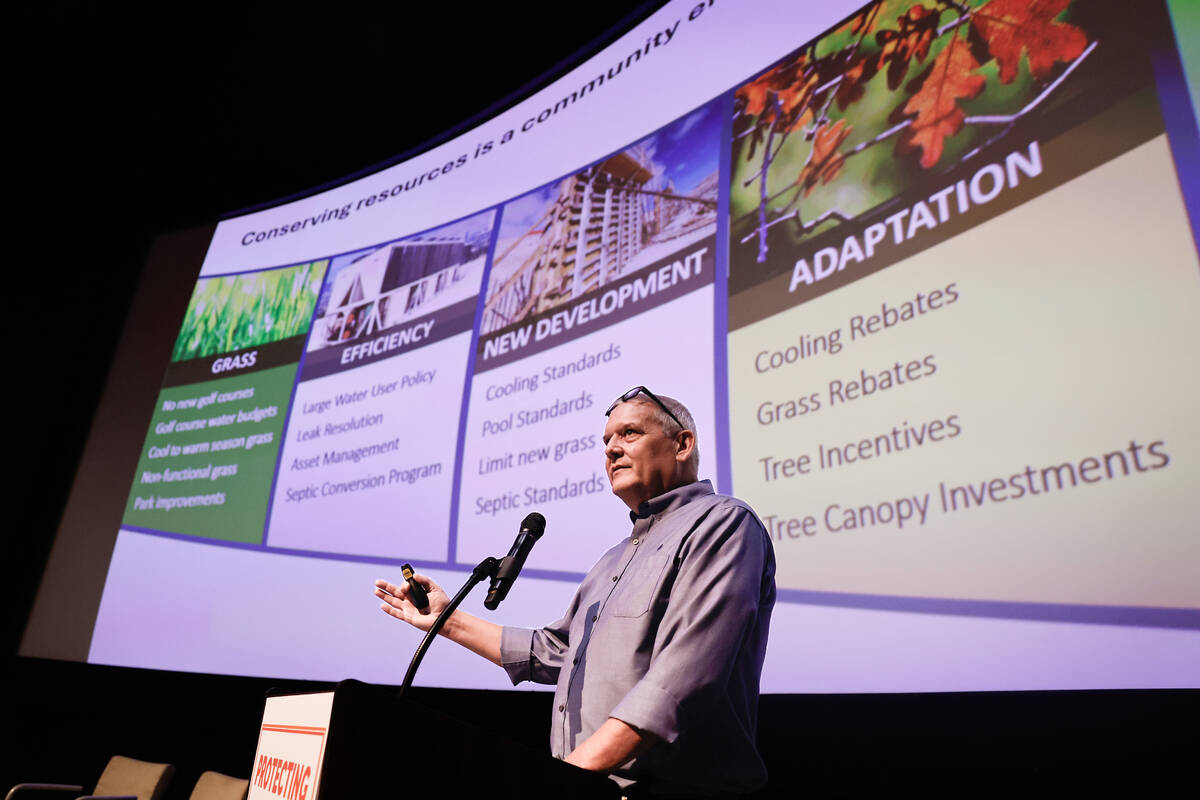
He walked the audience of roughly 100 people through what he sees as the sticking points in delivering a plan, largely pointing out how the river’s century-old legal framework has not been prepared to meet the demands of a drought being made much worse by climate change.
“We have led the world in innovation,” he said. “I think the challenge that confronts us right now is climate change and drought has been so severe that our ability to negotiate those kind of compromises hasn’t been keeping up to this point.”
That morning, Entsminger said, he had already taken four or five phone calls related to the operating plan and that he is keeping an open dialogue with every state and the Trump administration.
When asked if he knew about the federal government’s timeline for releasing a final plan, Entsminger said he didn’t.
But Entsminger said he believes there’s a path forward, even under the circumstances, that will get the Colorado River Basin through the next few years in a way that will avoid the threat of a lawsuit.
Experts have said for years a lawsuit at the U.S. Supreme Court would be at a high cost to taxpayers and could result in an unfavorable outcome for all parties involved.
Entsminger, who has declined in interviews to share how much Nevada is setting aside for its defense of its water rights, reaffirmed his commitment to going to bat in court if that becomes necessary.
“At the end of the day, we have to protect our legal interests,” Entsminger said. “The Colorado River is 90 percent of the water supply for 76 percent of the population of Nevada. We’re not just going to lose if negotiations fail.”
^
Calls for funding, but avoidance of litigation
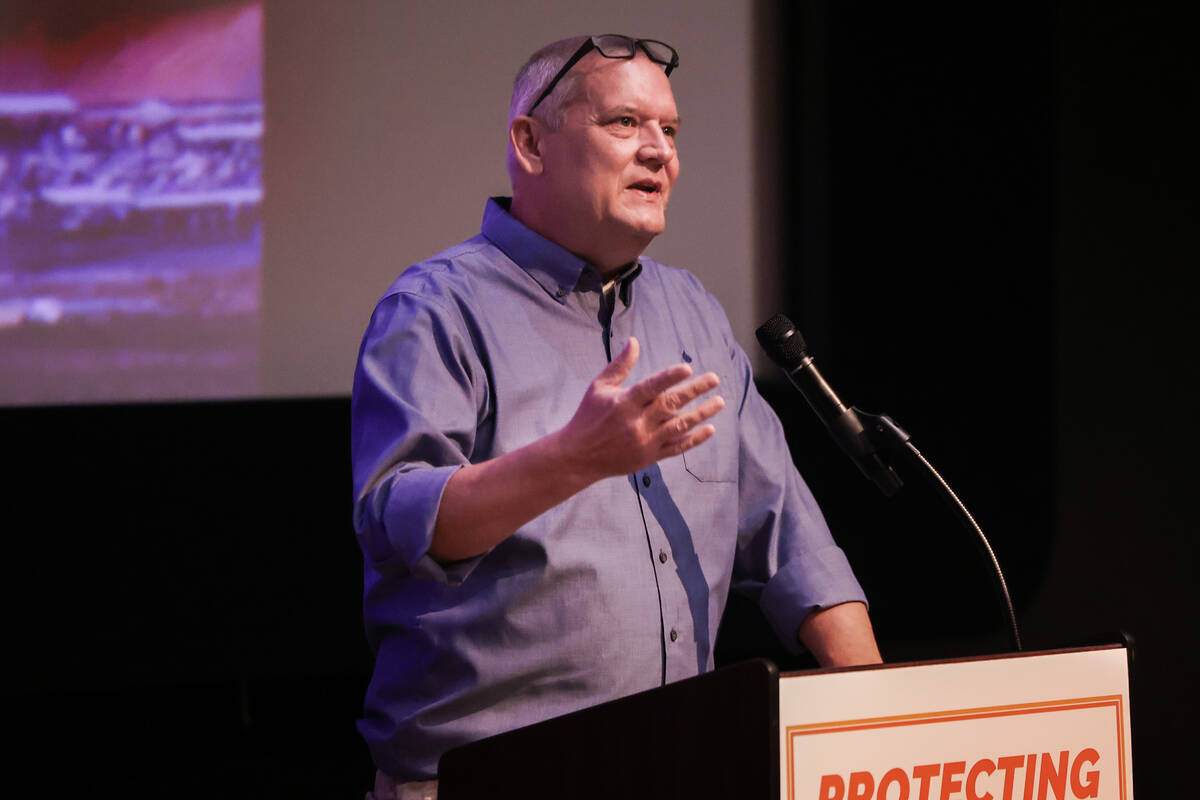
Connor, the former federal bureaucrat, said the states are closer to litigation over the Colorado River Compact of 1922 than they’ve ever been, and that should still be avoided at all costs.
“Quite frankly, if you’ve got any certainty that you’re going to win, I ask you to look at the history of litigation in Supreme Court in water cases,” Connor said.
In the meantime, some are calling for investment.
As federal funding has largely dried up following the Trump administration’s focus on the tightening of the government’s purse strings, some are calling on Congress to give water managers more money to fund conservation projects that add to regional water supplies like ocean desalination and more.
Rep. Dina Titus, D-Nev., led her colleagues last month in asking that leaders consider an emergency funding request to parallel the $4 billion that Congress put toward drought under the Biden administration. That money went toward grants that, for instance, allowed water districts to pay farmers to fallow their fields and funded landscape conversions.
Lee, who said she helped negotiate the terms of the original bill that provided that money, told reporters it’s a pressing time for federal leaders to consider opening the government’s coffers again to bankroll drought mitigation in the basin.
“There were investments for conservation that need to start flowing again,” Lee said. “In my mind, it was short-sighted to pause that funding because the crisis is now. The drought is now.”
^
Contact Alan Halaly at ahalaly@reviewjournal.com. Follow @AlanHalaly on X.