Council votes to reverse decision on historic home

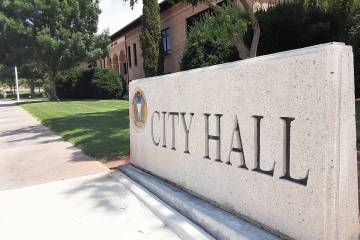



Earlier this year, the city council voted to reverse a planning commission decision. It was not of note because no one in the ranks of city staff could remember such a reversal ever having happened in the time they worked for the city.
But the council overriding commissions may be becoming more common as the council made the same move last month for the second time in just five months. This time the body getting reversed was the Historic Preservation Commission and the subject was a dingbat house.
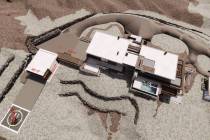
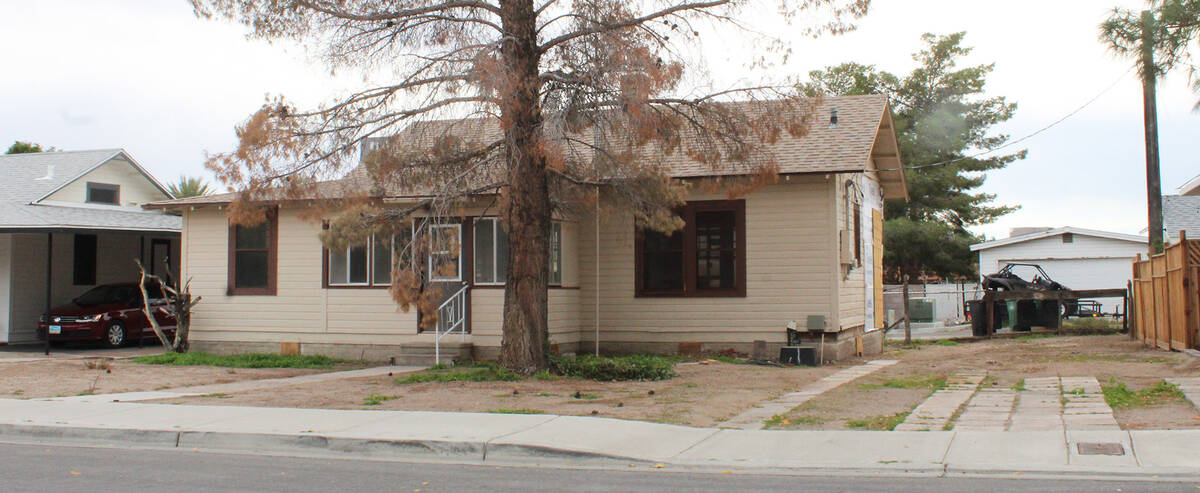
“Per our city’s historic preservation ordinance,” began Deputy City Manager Michael Mays, “any exterior changes to a building within the historic district that can be seen from the street requires a certificate of appropriateness, or what we refer to as a COA, before the city can issue a building permit. For contributing buildings, the COA requires review and approval by the Historic Preservation Commission. The owners of 1319 Colorado Street are seeking to build an attached garage to the west end of their home.”
Mays went on to explain that, despite having worked with city staff and the city’s historic preservation consultant to better meet rehabilitation and the design requirements, the Historic Preservation Commission on Sept. 24, voted 2-1 to deny the application.
“Originally, it was flush with the house, but they moved it back from the front edge of the home, and so that brought it into greater compliance with design guidelines and secretary of interior standards. It just didn’t meet all of the criteria,” Mays said.
One of the owners of the home, Matt Dicki, addressed the council, telling them that the house was built in 1932 and had been in his wife’s family since 1949.
Dicki read a letter from his wife, who was not able to be at the meeting.
“This home on Colorado Street belonged to my grandparents and I have a deep emotional connection to it,” he said. “My goal has always been to restore it with respect for its history, to keep it as close to what it has always been, but also to make it livable for a modern family. I looked forward to working with the historic preservation committee, but I did not anticipate the rigidity of the process. When we presented our request, only three members were present. One member asked a question that had already been addressed and two members voted no. In the end, just two people decided the fate of this home and our family’s restoration efforts.” The letter went on to explain that the house was built in 1932 as temporary housing for Hoover Dam engineers and was never meant to be a long-term home, saying that it does not meet today’s living standards.
“It only has three small bedroom closets and one small kitchen closet. There is no space inside for a washer, dryer, or hot water heater, which currently sit outside in the backyard. There is no storage for everyday belongings such as a vacuum, extra linen, small appliances, or pet supplies, just to name a few. I respectfully ask you to consider your own home. Could you live with three small bedroom closets and one small kitchen closet and still have enough room for your belongings and everyday necessities?”
Mayor Joe Hardy thanked him for reading the letter saying, “I could hear her heart.”
After two members of the public spoke in favor of allowing the project and some discussion about how much the council values the work of the commission, the council voted unanimously to overturn the decision and allow the garage project to move forward.