Question: Golf courses$8.4 million in the hole?
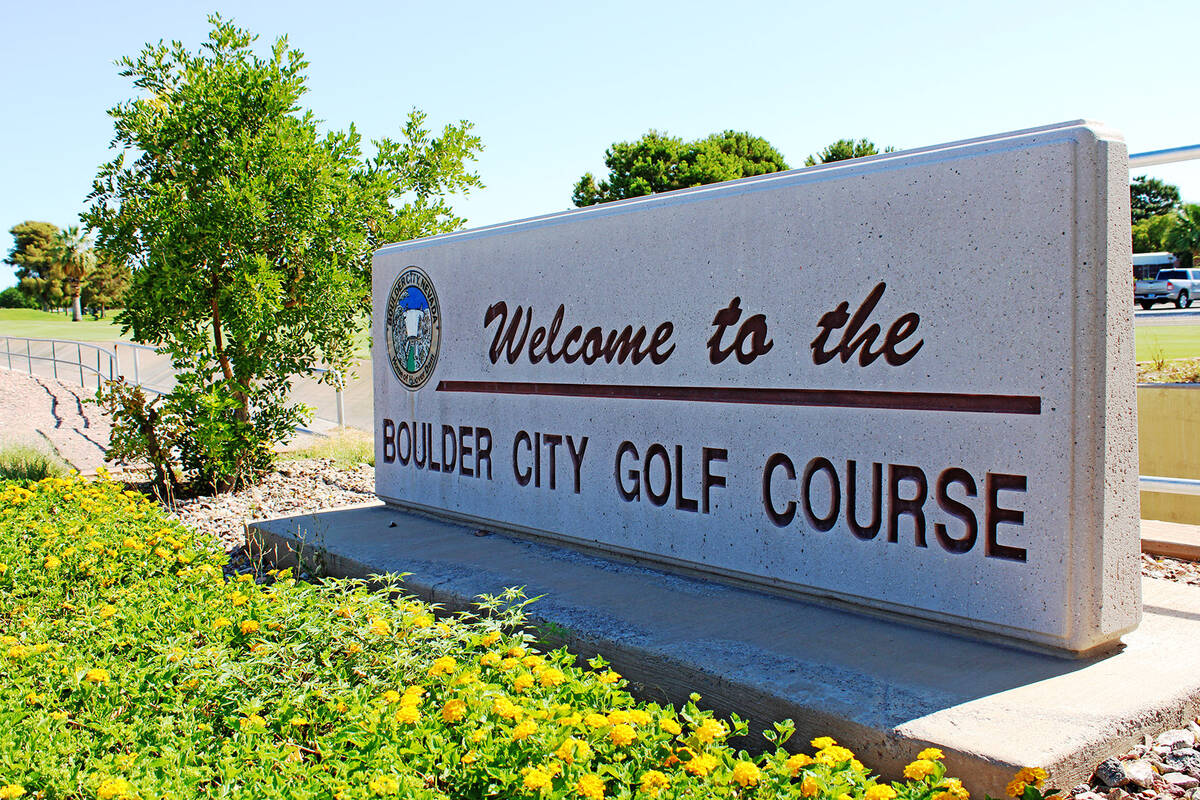
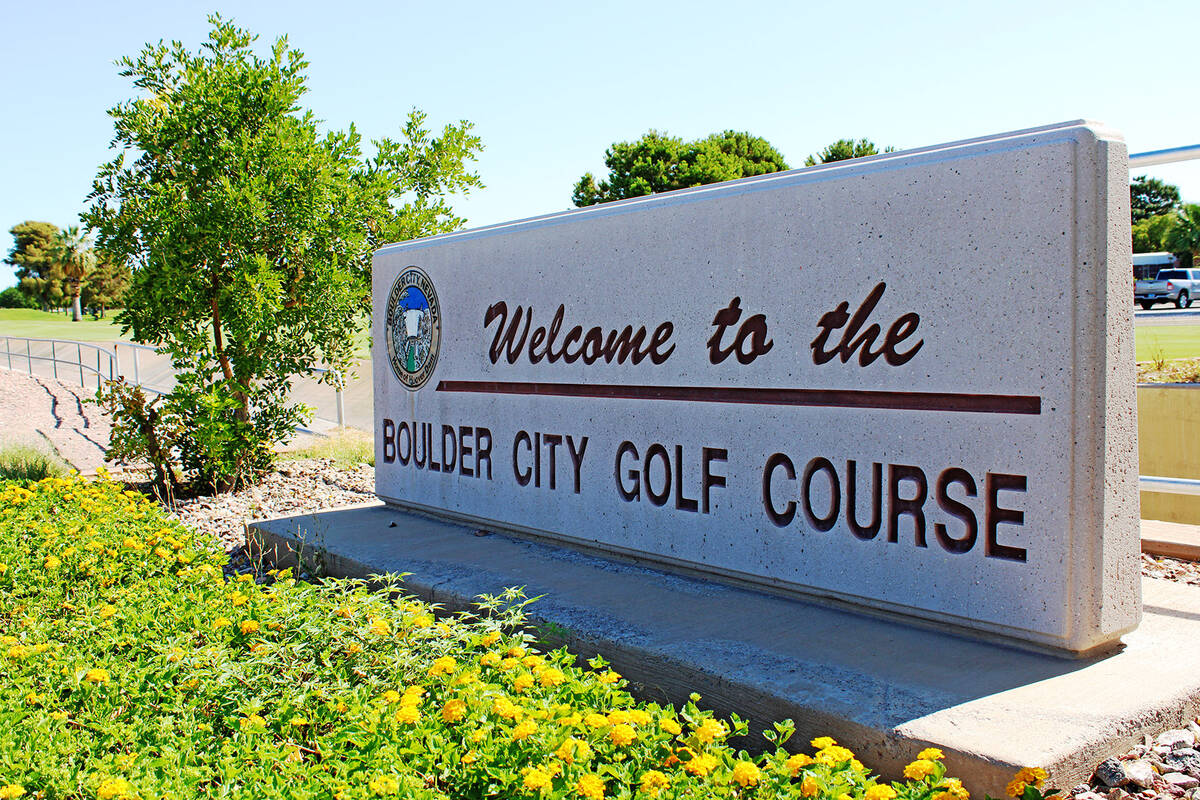



Near the beginning of last week’s city council meeting, frequent-flyer public commentor Fred Voltz (whose views on the proposed addition of up to $9 million to the $25 million or so already earmarked to replace the city’s pool you can read on Page 4) made a pretty surprising allegation about the finances of the city’s two golf courses.
Referring to the monthly financial report from the city manager, he said that, buried on page 41 of the report was a line item that said the city was expecting a large deficit for the courses in the budget for Fiscal Year 2025 (which started in July of 2024). How big a deficit? Pretty big.
Like $8.4 million big.
So, is there a deficit? And if there is, then why? And what is being done to fill the hole?
In order to answer these questions, Cynthia Sneed and Julie Calloway, the directors of the city’s Finance and Parks and Recreation departments, respectively, met with the Review this week.
According to Sneed, the issue is that, in the name of transparency, the city has changed the way it shows golf course expenses in the budget. There are basically two budgets. The first is for regular operations, which are funded by actual revenue. The second is for capital improvement projects (CIP). And those are not funded by golf course revenue.
“So if you add together the budgeted CIP, this new section has a lot of dollars in the budget, and so it makes that look pretty big,” Sneed said. “But that’s our CIP and that’s everything carried forward from the beginning of time that is still available and unspent in the CIP. That’s separate from the operations.”
The numbers she provided, which cover 25% of the current fiscal year would appear to be —strictly in terms of operations —roughly in balance. In fact both courses may end up bringing in a little bit more than what was budgeted for operations.
But the money for big projects has to come from somewhere. In this case, that somewhere is the capital improvement portion of the general city budget.
“Well, Boulder Creek right now is 20 years old,” said Calloway. “So if you look at the lifespan of some of those big items, like the pumps, we’re talking about more expenses.”
Calloway proceeded with a homeowner-centric comparison.
“It’s much like I would be saving for a new roof on my house, right? That’s not an annual expense for me,” she explained. “However, if I want the integrity of my house moving forward to be an asset that continues to be worth something, I’m going to want to start saving for that. Our capital improvement fund is just that, a savings account for city projects that moving forward, we’re going to be utilizing to improve our assets.”
Apropos of much discussion in the city in the past year, much of this has to do with water and the conservation of that resource.
Indeed, Boulder Creek accounts for only about one-eighth of the total with about $1.2 million being budgeted for things that include construction of a tournament stage, adding actual restrooms to the pavilion, and paying off debt taken on to buy golf carts.
The big expenses are all at the municipal course and, out of about a $7 million total expense line, more than $6 million are for projects aimed at saving water.
More than $4 million of the total is not actually coming from general city funds. The city got a pile of federal money from ARPA (American Recovery Program Act) and a big chunk of that —more than $4.2 million —was slated for turf removal and the replacement of the aged and leaking irrigation system.
But extended fights with users of the course and residents living around it has delayed the beginning of that project substantially. And the thing about ARPA funds is that they come with a time limit. If projects using the money are not contracted by the end of 2025, then the money goes back to the federal government.
So, in order to not have to return the money, the decision was made to move money around.
“I don’t think we’re going to be able to get that under contract in time,” Sneed said.
Instead, a number of other projects and expenses around the city (not just at the golf course) that had already been funded by the city but that fit the qualification of ARPA-eligible will be paid using the money originally slated for the water projects at the municipal course. The idea is that, once the water project is ready to go under contract, those city funds will be redirected to the water project.
If you are wondering why the city funds capital projects for golfers, you are not alone. Moving the courses into an enterprise fund where they would be insulated from other city funds (and city funds insulated from golf expenses) was something that Voltz brought up at the top of that meeting.
When asked if an enterprise fund might happen in the future, Sneed expressed doubt.
“Because the general government does supplement, as we just demonstrated here. It’s not self-sustaining on greens fees or on user revenue. And it is a service that we provide, you know, to the residents,” she said.
No, that does not mean that golfing at one of the two city courses is free to BC residents. But there is a discount.