Council approves rate hike
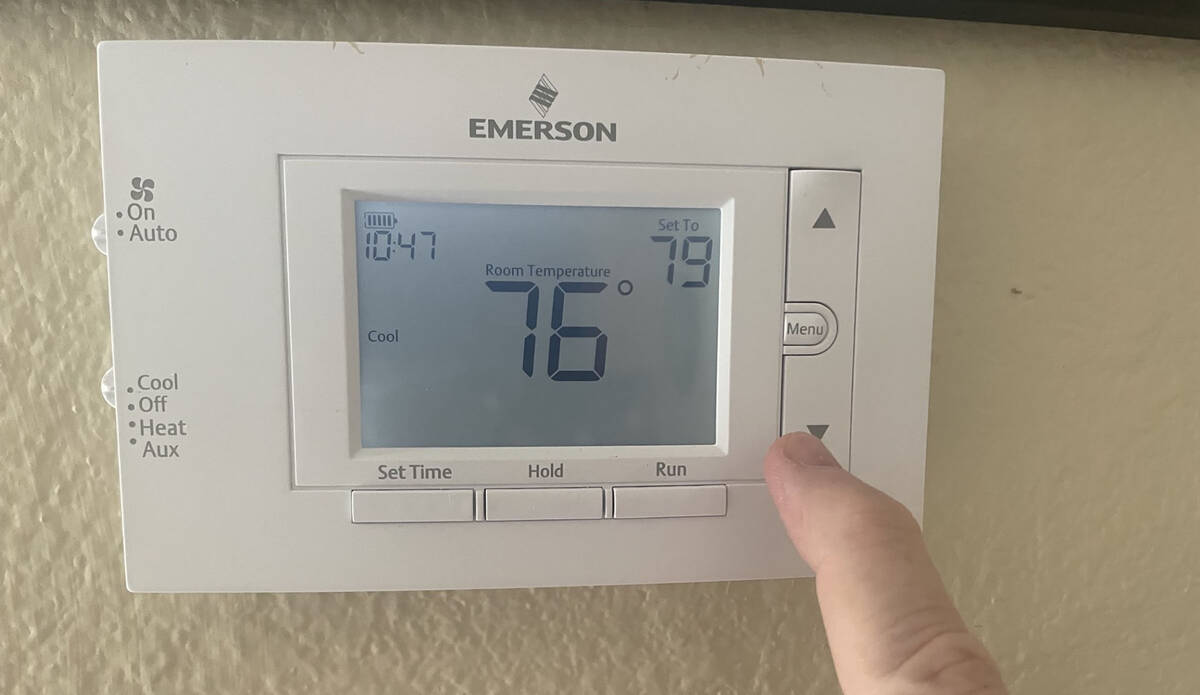



Beginning this month, Boulder City residents will see a bump in their power bills.
Last week, by a unanimous decision, the Boulder City Council voted in favor of increasing electric, water, and sewer rates by 5% each of the next three years, beginning in October.
The approved increases are expected to generate an estimated $1,458,000 in additional annual revenue, consisting of approximately $925,000 for the electric utility, $393,000 for the water utility, and $94,000 for the wastewater utility. All funds generated by the proposed increases will be used solely for the operations, maintenance, and capital reinvestment of the electric, water, and wastewater utilities, a city report states.
“You can only push off replacements or maintenance for just so long,” Councilwoman Sherri Jorgensen said. “We’ve kind of hit that zone for a lot of these. Sometimes we have to look at things as they are and not as we wish they were.”
As to why there’s a need to increase rates, according to the city’s website, “Boulder City faces annual increases in our operating and maintenance costs. Boulder City utilities (electricity, water, and wastewater) operate as an enterprise fund, which means they work like a business, and have their own funding/budget separate from all other city operations.
“They need to charge enough money to pay for their services, but the current rates are not enough to cover the costs of fixing and upgrading aging systems. Postponing capital projects leads to failures and service outages, and it is far more costly to conduct emergency repairs than planned replacements. Therefore, the rate increases are necessary to maintain the reliability of our community’s electrical, water, and sewer systems.”
In July, the city announced the proposed rate increase and requested public input.
“Boulder City conducts a utility rate study every three to five years to ensure that the community has adequate funds available to operate and maintain its electric, water, and wastewater systems at an appropriate level of service,” City Manager Ned Thomas said at the time. “The city initiated the current utility rate study in July 2025. The scope of this study is citywide and unrelated to any specific development proposal or project.”
The city retained FCS Group to complete a comprehensive utility rate study covering Fiscal Years 2027 through 2029 for the electric, water, wastewater, and solid waste enterprises. The city’s Utility Advisory Committee reviewed the study over multiple meetings and, on July 8, 2026, unanimously recommended a uniform 5% annual increase for each utility through FY2029 for a total increase of roughly 16%.
Since the announcement this summer, the city received 11 letters opposed to the rate increase. Of those, nine were from individuals and two from the hundreds of local businesses who received the rate increase notice.
At last week’s meeting, the handful of people who spoke during public comment were also opposed with some asking about the need and another asking why the increase can’t be made a year at a time.
Public funds generated by utility payments are strictly limited for use in operating and maintaining Boulder City’s current and future electric, water, and wastewater systems, Thomas said.
The presentation to the council included an overview of the needs and estimated costs associated with operating and maintaining these public utility systems.
Help is available
For those who need assistance, and who qualify, there is help available to cover some of the cost of one’s utilities bill. Nevada Energy Assistance Program provides residents help with their annual electric and heating costs. Learn more about the program and eligibility at dss.nv.gov/programs/energy.
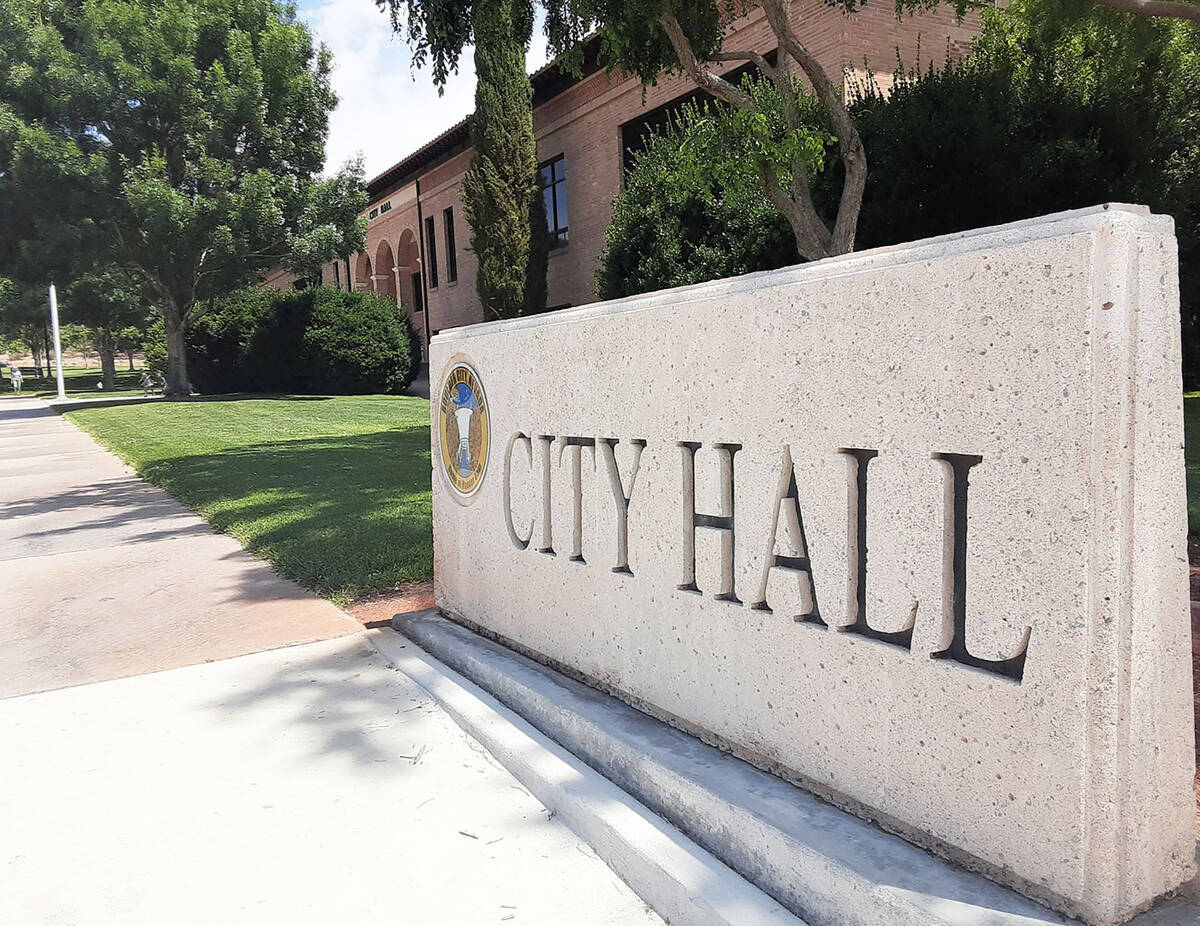
Residents who qualify for the state program are also enrolled in the Boulder City Energy Assistance Program, which provides a discount of up to 35% on energy costs. Staff can provide information and applications at City Hall, 401 California Ave., at the Utilities window.
In addition, United Way of Southern Nevada’s Project Reach can provide up to $300 in assistance each year to eligible residents 62 years of age and older. Learn more about eligibility and how to apply at uwsn.org/projectreach.