Nevada braces for Colorado River showdown with feds as it faces steepest cuts in history
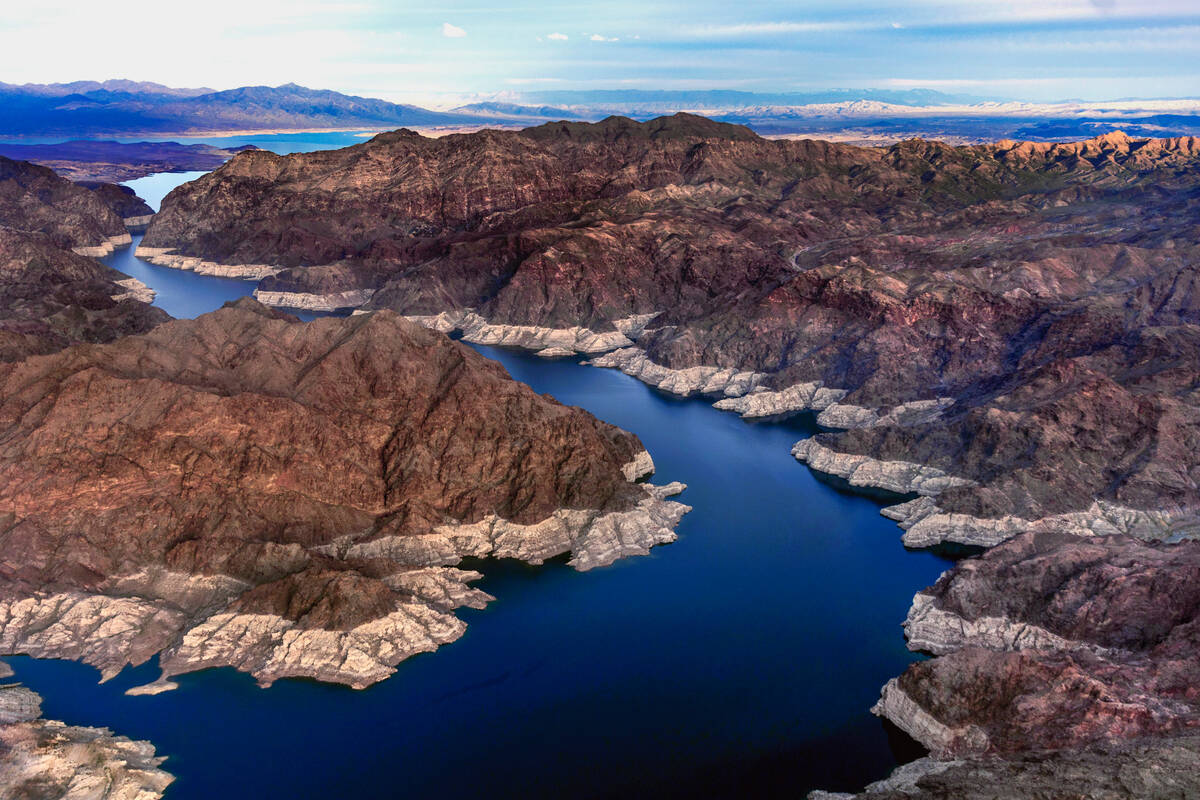
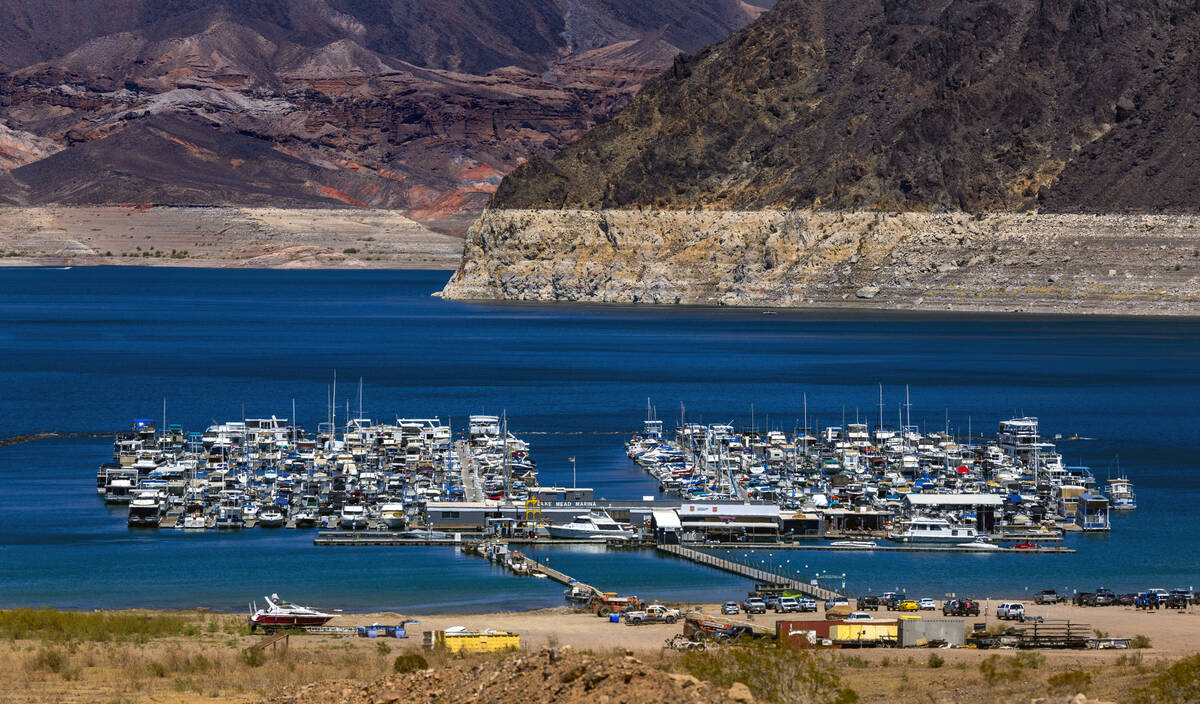
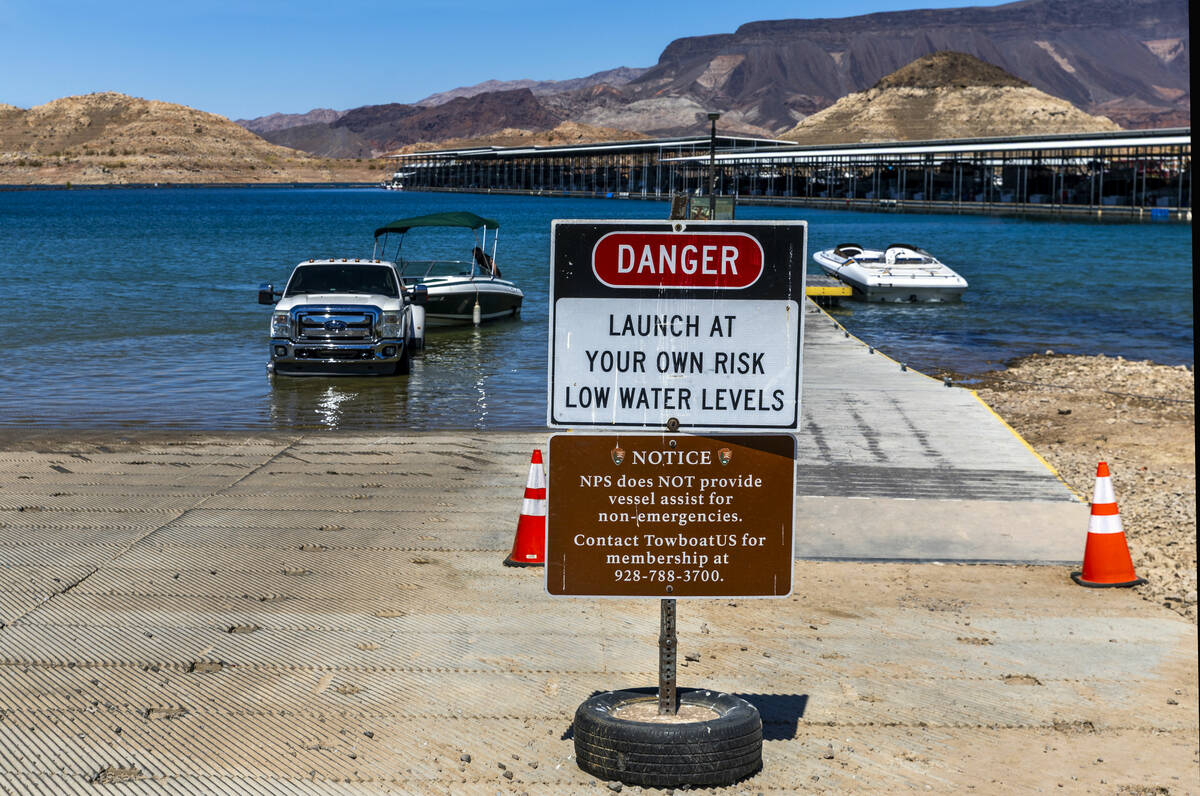
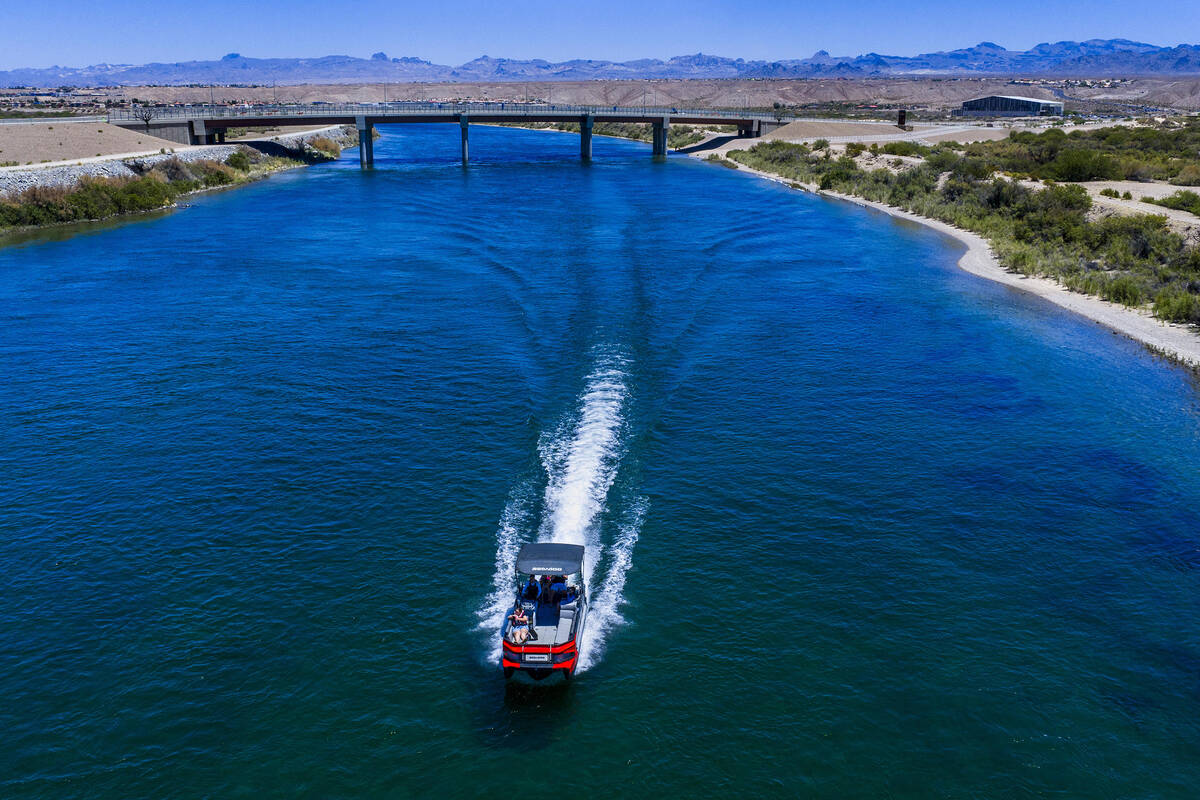
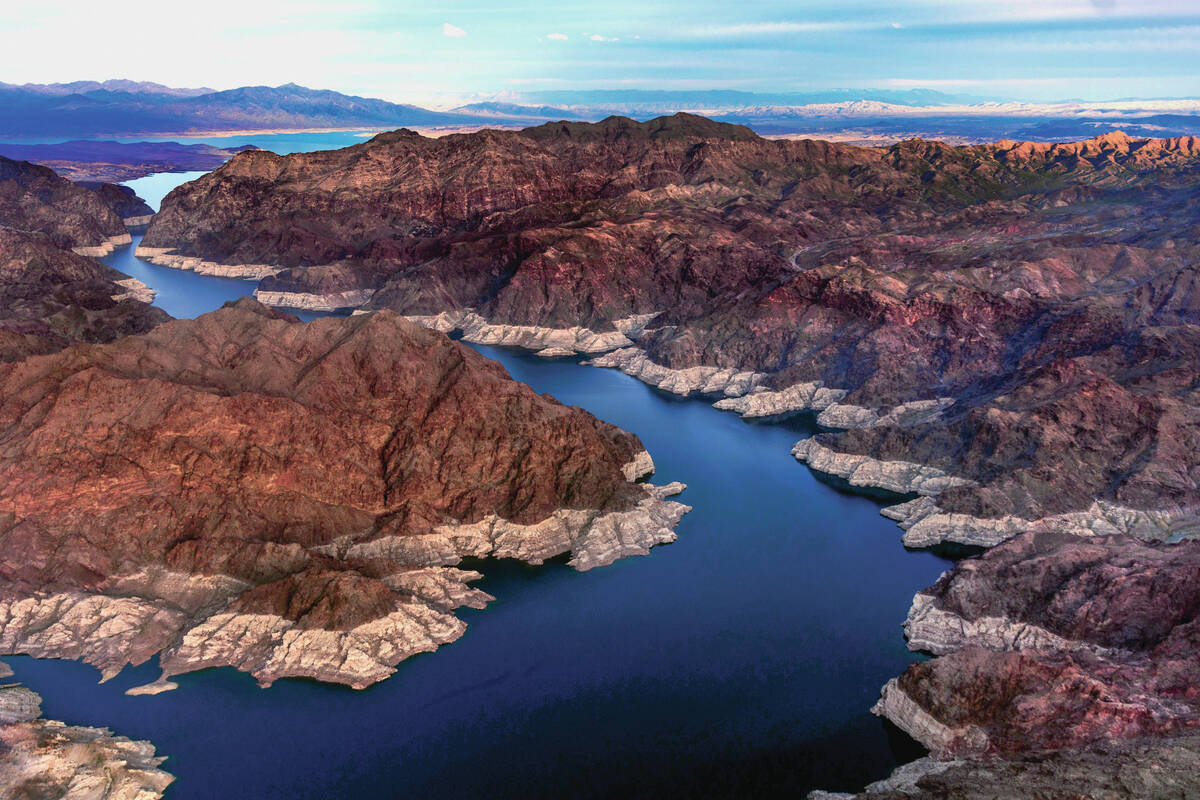





Nevada is likely to give up a sixth of its Colorado River allocation next year as the federal government prepares to impose its strictest limits ever on the state’s water use, according to a document released Friday.
That could be followed by even more draconian cuts: The federal government is claiming the legal authority to force the Silver State to reduce its share of the river after 2028 by between one-third and two-thirds of its current allotment — prompting swift objections from state officials.
“We’re seeing the first iteration of a plan that contemplates all of the reductions on the Colorado River being taken by a minority of the states that share the river,” said John Entsminger, general manager of the Southern Nevada Water Authority and the state’s governor-appointed Colorado River czar, in a Friday interview. “That’s not going to work for us.”
The federal government says the 1.5 million acre-foot yearly reduction proposed by the Lower Basin states of Nevada, California and Arizona won’t be enough. Now, the states may be on the hook for up to 3.6 million acre-feet of annual cuts past 2028, according to what’s been identified as the feds’ preferred path forward.
Nevada Gov. Joe Lombardo said in a statement that the preferred federal route would “impose unrealistic reductions” on the state, which has led the way in stretching its tiny share of the river via water recycling and conservation.
A final environmental impact statement on the plan released Friday leaves some uncertainty about specific volumes of reductions until a record of decision is released that will certify an official plan.
“If carried forward, the plan outlined in the FEIS could have devastating economic and environmental impacts on Nevada,” Lombardo said. “Nevada has put forward reasonable compromise proposals to the other states, and I will fight against any outcome that imposes unreasonable impacts to our communities.”
Whatever plan is imposed on the states will be revisited every two years through 2036, rather than every 20 years.
Notably, the Upper Basin states of Colorado, Utah, New Mexico and Wyoming will not be forced to adopt mandatory cuts to water use, instead cutting back by a mere 200,000 acre-feet on a voluntary basis, as conditions allow.
Litigation threats shade negotiations
Friday’s document leaves an open end to years of back-and-forth between two coalitions of states that failed to agree on how to update 20-year operating guidelines for the river that expire at the close of this year.
Interior Secretary Doug Burgum praised the proposed operating rules in a statement.
“This framework provides the flexibility to respond to changing hydrologic conditions while preserving the opportunity for the Basin States to continue working toward durable, consensus-based solutions,” Burgum said.
Allocating water shortages from the Colorado River has been largely left to state officials. Federal intervention now may lead to a years-long fight at the U.S. Supreme Court, according to state officials and experts.
For years, Nevada officials have declined to say whether the state was preparing for a lawsuit, and Entsminger on Friday would not say how much money may be set aside for a legal challenge. Other states, such as Arizona and Utah, have publicly appropriated millions to defend their allocations from the Colorado River.
“The specter of litigation has been hanging over this basin for five or six years, easily, and that certainly didn’t go away today,” Entsminger said. “While we can express our concerns with what’s been articulated thus far in the FEIS, we do need to see that record of decision before we start getting too far down the road of what our next steps are.”
In the barrage of statements that followed the release of the document Friday morning, the only other state to take issue with the reductions was Arizona, which will generally see its water rights cut before California.
The Arizona Department of Water Resources issued a statement calling proposed reductions “unacceptable” and added they “would devastate Arizona’s water users and its economy.”
DeEtte Person, a spokesperson for the Central Arizona Project that delivers Colorado River water to Arizona’s biggest cities, had a similar message.
“We believe the FEIS contains several fundamental legal flaws, fails to encourage consensus among the seven Basin states and inaccurately portrays Arizona’s rights to Colorado River water,” Person wrote in a statement.
In a virtual news conference Friday, Utah water managers didn’t rule out the possibility of a lawsuit but reiterated it wasn’t their preferred method of dealing with the inter-basin disagreements.
“Litigation is not going to get us anywhere on this river,” said Amy Haas, executive director of the Colorado River Authority of Utah. “It’s not going to get us more water. It’s not going to buy us more time.”
The Nevada picture
Southern Nevada’s collective water use, according to the water authority, came in at 198,000 acre-feet in 2025. That puts the state in a rare position in using significantly less water than its total 300,000 acre-foot allocation.
In the short term, University of Nevada, Reno professor Elizabeth Koebele said in an interview that the state is in a good position to meet the demands of the federal government. Beyond what the Lower Basin has agreed to — the 1.5 million acre-feet in reductions that the federal government is floating — it gets more tricky, she said.
“If reservoir levels drop even further, then will we need to take bigger cuts?” Koebele said. “We’re also dealing with new demands on water resources in the state and continued pressure for growth. And while we’ve sort of decoupled water use from population growth to a limit, that’s not forever.”
According to Koebele, she believes the more modest cuts that the Lower Basin has agreed to aren’t enough to stabilize the Colorado River system over the long term as water levels in Lake Mead and Lake Powell continue to fall.
“It’s something that will probably help us get through the two years of crisis, but we don’t expect the crisis to end after two years,” she said.
Kevin Moran, associate vice president of regional affairs for the Environmental Defense Fund, said his larger hope after reading the federal government’s plan is that it might get the Colorado River Basin out of crisis mode.
That’s easier said than done, he said.
“The economic, social, and political realities of water scarcity are difficult, and there’s no avoiding the fact that the Colorado River is tanking,” Moran said. “That creates a whole set of challenges that, up to now, the seven-state process hasn’t been able to address comprehensively.”
Kyle Roerink, a senior adviser to the nonprofit advocacy group Great Basin Water Network based in Nevada, said the document is another wake-up call for Congress to use the power of the purse to provide funding for drought mitigation.
He said the federal government’s willingness to revisit the guidelines every two years is a reflection of its attempt to preserve states’ rights and avoid litigation.
“How do you get accountability from all stakeholders without tipping the cart to a point where somebody would take action that could upend a potential deal?” Roerink said. “This is a reflection of river diplomacy and river politicking as much as it is river policy.”
CONSUMPTIVE USE
Between 2020-24, the average consumptive use in the Colorado River Basin was 13.1 million acre-feet.
3.8M acre-feet (29%) for Upper Basin use
6.5M acre-feet (49%) for Lower Basin use
1.4M acre-feet (11%) for Mexico use
1.4M acre-feet (11%) for evaporation
— U.S. Department of the Interior