Pickle juice adds zing to most everything





If you’ve been buying pickles, eating the pickles, then throwing away the pickle juice, it’s OK. You can forgive yourself. You didn’t know what you were doing.
That was then and this is now. I’m here to beg you: Please, don’t throw that amazing stuff away. You’re missing out. There are so many uses for this wonderful stuff.
Pickle juice is a concentrated zing of acid, salt and pickling spices that make magic. Not just dill pickles but sweet, bread and butter, any pickled brine of that ilk will do. Tossing this stuff is like throwing away really good flavored vinegar. There are many uses for this brine divine.
The obvious: Make more pickles. When you eat all the pickles, add another round of sliced cucumber for a fresh refrigerator pickle. Besides cucumber, try zucchini, carrot, radishes, onion or green beans. Let them hang out for a few days and check the flavor. The longer it sits, the more pickled it’ll become.
Make the best DIY condiments. Make dill pickle vinaigrette. Blend ¾ cup dill pickle juice with ¼ cup olive oil and a tablespoon of grainy mustard to make salad sing.
Or make the sauce that’s good on everything. Blend two parts sour cream with one part pickle juice (any kind of pickle) and season with salt and pepper. Use to dress salad, on cooked or raw vegetables or as a sauce with meat, poultry or fish.
Add a zing to everything. Add a spoonful of brine to your next batch of tuna, egg or chicken salad. Substitute brine for vinegar in most recipes for extra complexity. Add to water when boiling pasta for pasta salad or potatoes for potato salad.
Use it to deglaze pans when making sauce after sautéing chicken, pork or beef.
Use as a tenderizing marinade. Simply add ¼ cup brown sugar to 1 cup pickle juice to make a marinade for 2 pounds of pork or chicken pieces. Marinade at least two hours or up to overnight.
You can also add a spoonful to your next Bloody Mary cocktail. If nothing else, use as a chaser for a shot of tequila. Together let’s make sure no brine is left behind. Race you to the back of the fridge.
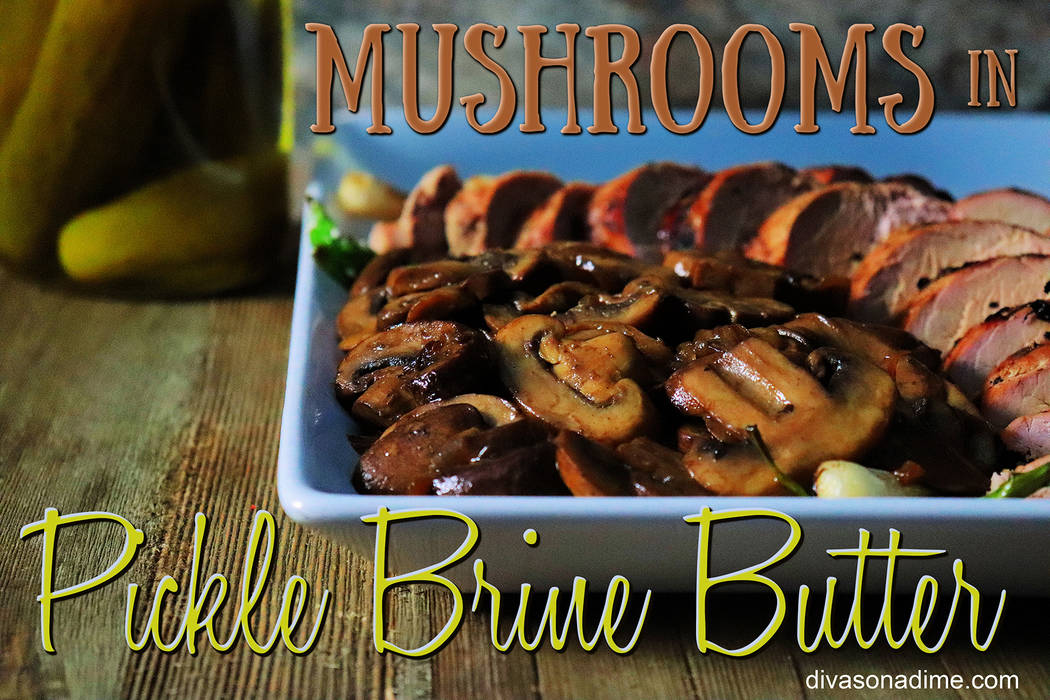
MUSHROOMS IN PICKLE BRINE BUTTER
Adapted from Food 52 and State Bird Provisions, made more affordable by yours truly.
Serves 4-6
What you’ll need:
6 tablespoons butter, divided
6 tablespoons extra-virgin olive oil, divided
1 sweet onion, thinly sliced (about 1 1/2 cups)
2 1/2 to 3 pounds mushrooms, such as white button or cremini, thickly sliced or quartered
3/4 cup brine, strained from a jar of dill pickles
Here’s how:
In a large skillet on medium-high heat, melt together 2 tablespoons olive oil and 2 tablespoons butter.
Divide your sliced onion and mushrooms into thirds. Sauté one-third of the onion until very soft, about 3 minutes. Add one-third of the mushrooms and cook, stirring often, until tender and golden, about 5 to 7 minutes.
I find when you first add the mushrooms to the skillet, they try to absorb the flavorful butter and oil like little sponges. So, move them around the pan so everyone gets some goodness.
When golden and delicious, add one third (1/4 cup) pickle brine and stir until the brine is absorbed, about 1 minute. Transfer the cooked mushrooms to a serving plate and keep warm.
Repeat this process twice more with the remaining onions and mushrooms, refraining from eating the mushrooms that you just cooked while no one is watching. Share if we must.
Lifestyle expert Patti Diamond is a recipe developer and food writer of the website “Divas On A Dime – Where Frugal, Meets Fabulous!” Visit Patti at www.divasonadime.com and join the conversation on Facebook at DivasOnADimeDotCom. Email Patti at divapatti@divasonadime.com.